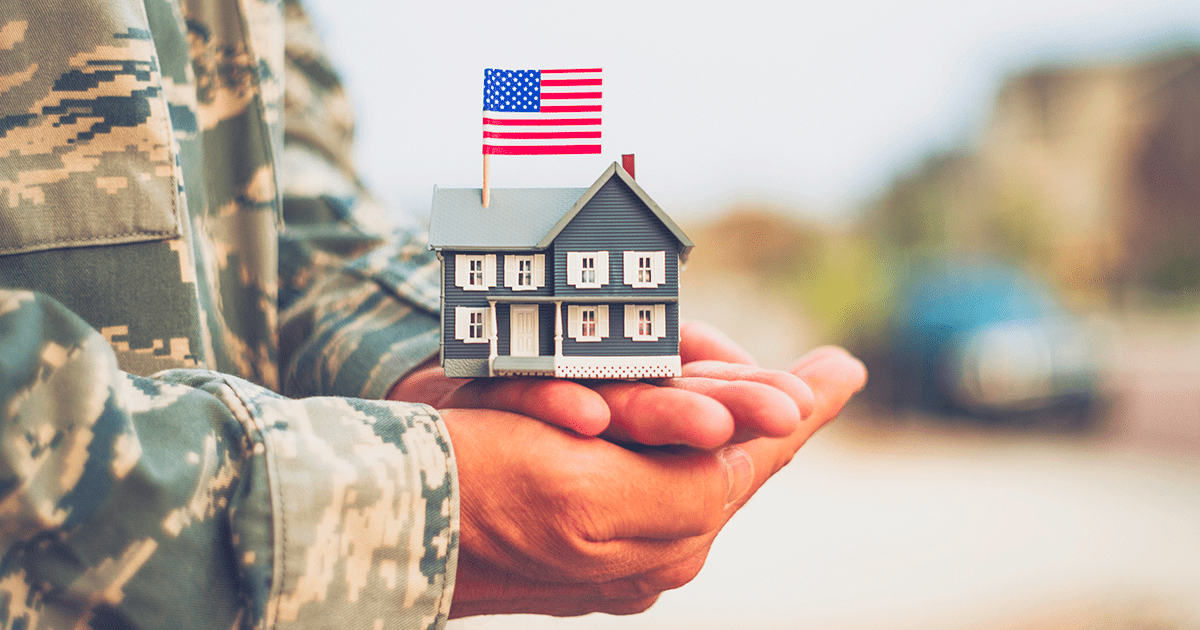
For many veterans and service members, owning a home is a major life goal but rising prices, tight lending standards, and high down payments can make it feel out of reach. The VA home loan program exists to change that. It’s one of the most powerful benefits you earn through military service, and it can save you tens of thousands of dollars over the life of a mortgage.
At its core, a VA home loan is a mortgage backed by the U.S. Department of Veterans Affairs. The VA doesn’t lend the money directly. Instead, it guarantees a portion of the loan, which reduces the risk for lenders. Because of that guarantee, lenders can offer more favorable terms to eligible veterans, service members, and some surviving spouses. Those benefits typically include no required down payment (in many cases), competitive interest rates, and no private mortgage insurance (PMI).
Eligibility for a VA home loan is based on your length and type of service. Generally, you may qualify if you served on active duty or in the Guard or Reserve for a minimum period, received an honorable or qualifying discharge, and meet specific service-era requirements. The first step is to obtain your Certificate of Eligibility (COE), which confirms to lenders that you qualify for the program. You can request your COE online through VA.gov, by mail, or often have your lender pull it directly during pre-approval.
One of the biggest advantages of VA loans is the potential for 0% down. While you’ll still need to cover closing costs and demonstrate stable income and credit, skipping a large down payment can make homeownership possible sooner than you might think. In addition, VA loans do not require PMI, which conventional borrowers often pay monthly if they put down less than 20%. Eliminating PMI can significantly reduce your monthly mortgage payment and free up room in your budget.
There is a cost called the VA funding fee, which helps keep the program running. The amount depends on factors like your down payment (if any), whether it’s your first or subsequent use of the benefit, and your branch of service. Some veterans such as those with qualifying service-connected disabilities are exempt from paying the funding fee altogether. You can pay this fee up front at closing or roll it into your loan amount.
VA loans are flexible in how they can be used. You can purchase a single-family home, certain condos, or a multi-unit property (up to four units) as long as you plan to live in one of the units as your primary residence. You can also use a VA loan to build a home, refinance an existing mortgage, or make certain energy-efficient improvements. The program is not designed for vacation homes or pure investment properties, but it can support long-term wealth building through owner-occupied real estate.
Working with a lender who understands VA loans is crucial. Not all banks handle these loans the same way, and experience matters. A knowledgeable loan officer can explain your options, help you compare fixed versus adjustable rates, and walk you through underwriting and closing. You should also consider speaking with a housing counselor or financial advisor to make sure you’re buying within a comfortable budget and factoring in property taxes, insurance, utilities, and maintenance.
Your time in uniform earned you more than a paycheck it earned you opportunities. The VA home loan benefit is one of the most powerful tools you have to build stability for yourself and your family. With the right guidance and a clear plan, you can turn your service into a set of keys and a place to truly call home.
Leave a Reply