Author: Matthew Stanton

  • How to File a VA Supplemental Claim: A Complete Guide for Veterans

    How to File a VA Supplemental Claim: A Complete Guide for Veterans

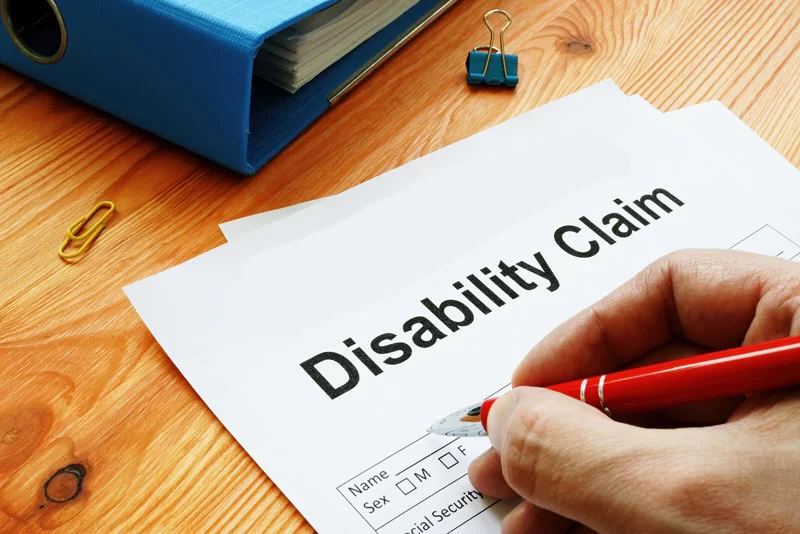
    If you’ve received a VA decision that you disagree with — whether it’s a denial, a low rating, or an issue that wasn’t fully addressed — you may still have options. One of the most powerful tools available to Veterans is the VA Supplemental Claim, which allows you to submit new and relevant evidence and have the VA re-review your case.

    This guide breaks down Supplemental Claims in clear, simple terms — so you understand what they are, when to use them, and how to give yourself the best chance of success. And if you need personalized support at any step, AI Joe on VA.org is available 24/7 to guide you.

    What Is a VA Supplemental Claim?

    A Supplemental Claim is a type of decision review that lets you challenge a prior VA decision by submitting new evidence. Once you submit the claim, a new VA reviewer looks at the entire file plus your new evidence and issues a fresh decision.

    You can file a Supplemental Claim if:

    • VA denied your disability claim
    • You believe your rating is too low
    • You have new medical evidence
    • Your condition has worsened
    • You want VA to reconsider based on information they didn’t have before

    You can file a Supplemental Claim anytime, but earlier is better, especially if appealing within the one-year window to preserve backpay.

    The Key Requirement: New and Relevant Evidence

    To succeed with a Supplemental Claim, you must provide new and relevant evidence.

    New

    Evidence VA did not previously review.

    Relevant

    Information that could change or influence the outcome.

    Examples include:

    • New medical diagnoses
    • Updated private doctor statements
    • DBQ forms
    • Nexus letters linking your condition to service
    • Evidence of worsening symptoms
    • Newly obtained service records
    • Test results, imaging, or lab reports
    • Statements from family, employers, or battle buddies

    If you’re unsure whether your evidence qualifies, ask AI Joe or a VSO for guidance.

    How the Supplemental Claim Process Works

    Here’s a clear and simple breakdown:

    Step 1: Gather New Evidence

    This is the heart of the claim. Find medical documents, service records, or expert opinions that VA did not previously review.

    Step 2: Fill Out VA Form 20-0995

    This is the Supplemental Claim application. You must identify:

    • Which prior decision you want VA to review
    • What new evidence you’re submitting

    Step 3: Submit Your Claim

    You can file online through VA.gov, by mail, in person at a regional office, or with the help of a VSO.

    Step 4: VA Will Review the New Evidence

    A new reviewer will analyze:

    • Your entire claim file
    • All new supporting documents
    • Updated medical information

    Step 5: VA Issues a New Decision

    You’ll receive a letter with the updated outcome — sometimes with an increased rating, approval of benefits, or instructions for the next steps if denied again.

    How Long Does a Supplemental Claim Take?

    VA’s average processing time is 4–5 months, but it can vary based on:

    • The type of condition
    • The amount of new evidence
    • Whether VA needs to schedule a new C&P exam

    Submitting high-quality, clear evidence often leads to faster and more favorable decisions.

    When Should Veterans Use a Supplemental Claim?

    Use a Supplemental Claim if:

    • You have new evidence VA hasn’t considered
    • Your condition has worsened
    • You found new service records
    • You were diagnosed after the initial denial
    • VA overlooked key information
    • You received a negative C&P exam but have contradicting evidence
    • You are appealing after more than one year has passed

    If you are within one year of the previous decision, filing a Supplemental Claim can also help preserve your original effective date (potentially increasing backpay).

    What If You Disagree with the Supplemental Claim Decision?

    If VA denies the Supplemental Claim, you have two main options:

    1. File another Supplemental Claim with more evidence
    2. Request a Higher-Level Review
    3. Appeal to the Board of Veterans’ Appeals

    Each path has its own benefits — and risks. AI Joe can help you figure out which option fits your situation.

    How AI Joe Helps You With Your Supplemental Claim

    AI Joe on VA.org is built to assist Veterans at every step of their benefits journey. AI Joe can help you:

    • Understand what qualifies as new and relevant evidence
    • Translate medical findings into clearer explanations
    • Identify which VA forms you need
    • Draft personal statements
    • Clarify your prior decision letter
    • Explain the difference between Supplemental Claims, Higher-Level Reviews, and Board Appeals

    You don’t have to do this alone — AI Joe is your benefits companion, day or night.

    Take Action Today — Don’t Leave Benefits on the Table

    If you were denied or underrated, it doesn’t mean the fight is over. Many Veterans win their benefits by filing a strong Supplemental Claim with the right evidence.

    Here’s what you can do now:

    • Gather new medical or service evidence
    • Review your previous decision letter
    • File VA Form 20-0995
    • Ask AI Joe for help understanding your eligibility and next steps
    • Create a free account at VA.org to track updates and access support tools

    You earned these benefits through your service. VA.org is here to help you claim them with confidence.

     

  • How Veterans Can Use LinkedIn to Build Careers, Network, and Find Opportunities

    How Veterans Can Use LinkedIn to Build Careers, Network, and Find Opportunities

    Transitioning from military service into the civilian world comes with challenges – especially when it comes to building a new professional identity. That’s why LinkedIn offers specialized tools, resources, and training programs exclusively for Veterans and their families.

    Whether you’re job searching, exploring new opportunities, or building your personal brand, LinkedIn can be a powerful tool in your journey. This guide breaks down the essentials in a simple, Veteran-friendly way – and if you need help, AI Joe on VA.org is always available to walk you through your next steps.

    Why LinkedIn Matters for Veterans

    LinkedIn is more than a resume site. It’s where employers look for talent, where recruiters search for Veterans, and where your military experience can shine in a professional setting.

    For Veterans, LinkedIn offers:

    • Free premium access for one year
    • Specialized courses through LinkedIn Learning
    • A platform to showcase military accomplishments in civilian-friendly language
    • Tools to help translate MOS/AFSC/NEC codes into professional skills
    • A direct connection to Veteran-friendly employers

    If you’re not using LinkedIn yet, or you haven’t optimized your profile, you may be missing opportunities that could move your career forward.

    Creating a Strong Veteran Profile

    Your profile is your digital first impression. Here’s how to make it stand out:

    1. Professional Photo

    A simple, clean headshot works best. You don’t need a suit – just a confident, approachable look.

    2. Headline That Highlights Who You Are

    Instead of using your current job title, try:

    • “Veteran | Project Manager | Logistics Specialist”
    • “U.S. Army Veteran transitioning into IT Support”
    • “Marine Corps Veteran | Leadership & Operations Professional”

    Your headline should tell people what you want to do next – not just what you’ve done.

    3. About Section: Tell Your Story

    Use this space to explain:

    • Your military background
    • The skills you built
    • The mission or values that drive you
    • What kind of work you’re pursuing now

    This is where employers connect with you as a human being.

    4. Experience: Translate Military Skills

    Many Veterans struggle here. Use civilian-friendly language:

    • “Led teams of 12-20 personnel” instead of “Squad Leader”
    • “Managed $1.5M in equipment” instead of “Responsible for gear”
    • “Coordinated logistics across multiple units” instead of MOS-type language

    If you’re unsure how to translate your roles, ask AI Joe to help rewrite your experience in employer-friendly language.

    How LinkedIn Supports Your Career Search

    1. Free LinkedIn Premium for Veterans

    This gives you:

    • InMail credits
    • Profile insights
    • Salary comparison tools
    • Featured applicant status

    2. LinkedIn Learning Courses

    You can access thousands of free courses on:

    • Project management
    • IT certifications
    • Cybersecurity
    • Leadership
    • Business skills
    • Resume writing & interviewing

    These certifications strengthen your profile and expand your career options.

    3. Veteran Community & Mentorship

    LinkedIn’s Veteran community is strong and active. You can:

    • Join Veteran networking groups
    • Connect with fellow service members in your field
    • Find mentors who walked the same path you’re on

    Veterans often help Veterans – LinkedIn is one of the best places to experience that support.

    Tips for Networking as a Veteran

    Many Veterans feel uncomfortable networking, but LinkedIn makes it easier.

    Here’s what works:

    Start with People You Know

    • Former unit members
    • Classmates
    • Colleagues
    • Family and friends

    Reach Out to Veteran Recruiters

    Many companies like Amazon, Microsoft, and Deloitte have Veteran hiring teams.

    Join Veteran Groups

    LinkedIn has groups dedicated to:

    • Transitioning Veterans
    • Veteran entrepreneurs
    • SkillBridge opportunities
    • Industry-specific Veteran communities

    Engage Consistently

    • Comment on posts
    • Share your thoughts
    • Celebrate others’ achievements
    • Post about your journey

    This builds your credibility and keeps your profile active.

    Using AI Joe to Strengthen Your LinkedIn Strategy

    Your transition doesn’t have to be confusing. AI Joe can help you:

    • Translate your military experience into civilian language
    • Build a strong LinkedIn headline and summary
    • Choose the right skills for your profile
    • Create personalized outreach messages
    • Improve your resume based on your LinkedIn profile
    • Identify Veteran-friendly employers

    Just click Chat with AI Joe anytime on VA.org – he’s always available.

    Take Action Today – Your Next Career Step Starts Here

    LinkedIn is one of the most powerful tools Veterans can use to take control of their career path. With free premium access, specialized learning programs, and a supportive Veteran community, it’s an opportunity you don’t want to miss.

    Here’s what to do now:

    • Create or update your LinkedIn profile
    • Claim your free premium subscription
    • Enroll in a LinkedIn Learning course
    • Connect with at least 10 other Veterans
    • Ask AI Joe for help polishing your profile or resume

    Your service prepared you for more than you realize — LinkedIn helps you show the world what you’re capable of next.

  • A Veteran’s Guide to Navigating Property Taxes and Rising Insurance Costs

    A Veteran’s Guide to Navigating Property Taxes and Rising Insurance Costs

    Owning a home is one of the most meaningful milestones for many Veterans and their families. But with property taxes and homeowners insurance premiums rising across the country, many Veterans are feeling the financial strain.

    The good news: Veterans often qualify for special exemptions, discounts, and relief programs that can significantly lower these costs. This guide breaks down everything you need to know — in clear, simple language — so you can protect your home and your finances. And if you ever need personalized help, AI Joe on VA.org is always available to walk you through your options.

    Why Property Taxes and Insurance Costs Are Increasing

    Homeowners everywhere have seen costs rise over the last several years. VA researchers and housing experts point to a few major reasons:

    • Higher home values — Good for equity, but they push taxes up.
    • Increasing natural disaster risks — Hurricanes, floods, wildfires, and storms make insurance companies raise premiums.
    • Inflation and repair costs — Higher rebuilding costs mean higher insurance coverage requirements.
    • Shrinking insurance markets — In some states, companies reduce coverage or stop offering policies, leading to higher prices.

    Veterans are not immune to these trends — but they do have access to resources civilians don’t.

    Property Tax Exemptions Available to Veterans

    Most states provide property tax exemptions or reductions specifically for Veterans, active-duty service members, surviving spouses, or Veterans with disabilities.

    Examples of common state benefits include:

    • Full property tax exemption for Veterans with a 100% permanent and total disability rating
    • Partial tax reductions for those with lower disability ratings
    • Senior Veteran exemptions (often age 65+)
    • Surviving spouse exemptions
    • Combat-related exemptions

    Every state sets its own rules, eligibility, and discount levels. Some states base exemptions on:

    • Disability rating
    • Income
    • Home value
    • Length of residency

    If you’re unsure which exemptions your state provides, AI Joe can help identify programs and point you to the correct application forms.

    Homeowners Insurance Challenges for Veterans

    Insurance premiums are increasing almost everywhere. Some Veterans face:

    • Premium hikes
    • Non-renewed policies
    • Reduced coverage options
    • Higher deductibles
    • Difficulty insuring homes in high-risk areas

    Thankfully, you do have options.

    Steps Veterans Can Take to Reduce Insurance Costs

    1. Contact Your State Insurance Department

    They often maintain lists of lower-cost providers, state-backed insurance programs, and complaint resolution tools.

    2. Explore Discounts

    Many insurers offer:

    • Bundling discounts (auto + home)
    • Security system discounts
    • Claims-free incentives
    • Loyalty discounts

    3. Compare Coverage Regularly

    Prices change every year — switching providers could save thousands.

    4. Consider State-Backed Insurance Options

    Some states offer last-resort programs for homeowners denied private insurance.

    5. Reevaluate Your Coverage

    A licensed agent or VA.org resource can help determine:

    • If your coverage is too high
    • Whether your deductible is appropriate
    • Whether optional coverages are still necessary

    How Rising Costs Impact Veterans Specifically

    Veterans on fixed incomes, disability benefits, or retirement often feel these rising costs more intensely. Many own older homes that require more maintenance — leading to increased premiums.

    Additionally:

    • Some Veterans face challenges navigating local tax systems.
    • Surviving spouses may be unsure which exemptions remain available.
    • Disabled Veterans might not know the full amount of tax relief they qualify for.

    That’s where VA.org and AI Joe come in — giving Veterans clear, personalized assistance.

    How AI Joe Can Help You

    Our virtual assistant AI Joe is built specifically to support Veterans and their families. AI Joe can help you:

    • Identify your state’s property tax exemptions
    • Understand disability-related relief programs
    • Find insurance assistance resources
    • Suggest questions to ask insurance agents
    • Connect you to relevant VA or state forms
    • Learn what to do if your insurance policy is canceled or denied

    Anytime you feel stuck or overwhelmed, just click Chat with AI Joe on VA.org.

    Take Action Today — Protect Your Home and Your Budget

    Property taxes and insurance costs may be rising, but you have options, and many Veterans qualify for generous relief.

    Here’s what you can do right now:

    • Review your state’s Veteran property tax exemptions
    • Compare insurance plans and explore discounts
    • Contact your state insurance department for guidance
    • Speak with AI Joe to understand your benefits
    • Create a free account on VA.org to stay informed and access helpful tools

    You served — you’ve earned support. Let VA.org and AI Joe help you navigate rising housing expenses with confidence and clarity.

  • VA Research Roundup: Suicide Prevention, CBD Pain Studies, and Breakthrough Findings on Headaches

    VA Research Roundup: Suicide Prevention, CBD Pain Studies, and Breakthrough Findings on Headaches

    The Department of Veterans Affairs continues to invest heavily in research focused on improving the mental and physical health of Veterans. In this week’s VA Research Wrap-Up, the VA highlights three important areas of ongoing study: suicide prevention, CBD use for pain, and new discoveries about headaches — particularly in Veterans affected by traumatic brain injury (TBI) or PTSD.

    At VA.org, we break down these findings in a clear, Veteran-focused way, so you understand what the research means for your health and what steps you can take. And if you ever need personalized guidance, AI Joe is always ready to talk, listen, and help you connect with resources.

    1. Suicide Prevention: Understanding Veteran Risk and Improving Detection

    Suicide remains one of the most critical challenges affecting the Veteran community. VA researchers continue to analyze health records and behavioral data to better identify Veterans at risk — and, importantly, intervene sooner.

    This week’s findings reinforced that:

    • Veterans with chronic pain, PTSD, depression, or a history of traumatic brain injury have significantly higher suicide risk.
    • Social disconnection, financial stress, and rapid changes in health or housing also play a crucial role.
    • Early detection through routine screening dramatically improves outcomes.

    Researchers emphasized that risk is rarely about one single issue — it is usually a combination of stressors, health conditions, and life circumstances that build up over time.

    This is why talking to someone early matters. And it’s why tools like AI Joe exist — to help Veterans get answers, support, and direction before reaching a crisis point.

    If you or a Veteran you know is struggling, you can call the Veterans Crisis Line at 988, then press 1.

    2. CBD and Chronic Pain: VA Reviewing New Evidence Carefully

    Many Veterans turn to CBD for chronic pain, inflammation, or sleep problems. But CBD is still an area where VA researchers are cautious, aiming to separate hype from proven benefits.

    The new research review released this week found:

    • CBD may help reduce certain pain symptoms, especially neuropathic pain.
    • But many current CBD products lack consistency, dosage clarity, and regulation.
    • More large-scale clinical trials are needed to confirm long-term safety and effectiveness.

    The VA continues to remind Veterans that while CBD shows promise, it is not yet an approved treatment within VA health care, and some products may interfere with other medications.

    If you’re considering CBD, talk with a VA provider — or ask AI Joe to help you understand potential risks, interactions, and what research currently supports.

    3. Headaches & Traumatic Brain Injury: New Findings on Veteran Health

    One of the most interesting research updates this week centers around chronic headaches — especially in Veterans with prior TBI or PTSD.

    Key findings include:

    • Veterans with mild TBI are far more likely to experience long-term headaches years after injury.
    • These headaches often resemble migraines and can severely disrupt daily functioning.
    • Sleep problems, stress, and noise exposure can trigger or worsen symptoms.
    • Combining behavioral therapy with medication often produces the best results.

    Researchers hope these insights lead to earlier diagnosis and better-tailored treatment plans for Veterans who often feel dismissed or misunderstood when describing chronic headaches.

    If you experience severe or frequent headaches, especially following a blast injury, concussion, or traumatic event, reach out for help. Headaches linked to TBI are real, diagnosable, and treatable.

    What This Research Means for Veterans

    These studies highlight vital points:

    • Mental health and physical pain are deeply connected.
    • Early intervention saves lives.
    • Alternative treatments like CBD show promise but need more science.
    • Chronic headaches often have underlying causes — and treatments exist.

    Most importantly, the VA’s continued investment in Veteran-focused research means better care, more accurate diagnoses, and more effective treatments in the future.

    How AI Joe Can Support You

    You don’t need to read medical journals to understand how this research applies to your life. That’s why we created AI Joe — your personal, compassionate VA ally available 24/7.

    AI Joe can help you:

    • Understand symptoms related to PTSD, depression, or TBI
    • Learn about treatment options and research-backed therapies
    • Find VA resources for chronic pain or headaches
    • Get clarity on CBD questions
    • Ask anything confidentially, without judgment

    Just click Chat with AI Joe anywhere on VA.org.

    Take Action Today

    Here are simple steps Veterans can take right now:

    • If you struggle with mental health, chronic pain, or headaches — talk to a provider.
    • Use AI Joe on VA.org for clear guidance and next steps.
    • Sign up for a free VA.org account to stay informed about new research and benefits.
    • If you are in crisis, call 988 and press 1 immediately.

    Your health and well-being matter — and you don’t have to navigate this alone. VA research, VA.org, and AI Joe are here to support you every step of the way.

  • VA Eliminates Veteran Family Health Care Backlog — What This Means for You

    VA Eliminates Veteran Family Health Care Backlog — What This Means for You

    If you are a spouse, dependent, survivor, or caregiver of a Veteran, there’s important news from the Department of Veterans Affairs: the VA has officially eliminated the CHAMPVA health care backlog, clearing more than 70,000 pending family health-care applications. This change will drastically speed up access to essential coverage for Veteran families.

    At VA.org, we are here to help Veteran families understand what this means and how to take advantage of it. And our virtual assistant, AI Joe, is available anytime to guide you step-by-step through eligibility, applications, and next steps.


    What Happened — Backlog Cleared

    The VA has confirmed that:

    • The CHAMPVA backlog — once over 70,000 pending applications — is now gone.
    • New applications are being processed in a matter of days, instead of months.
    • CHAMPVA serves more than 900,000 Veteran spouses, dependents, survivors, and caregivers, making this a significant improvement for families nationwide.
    • Appeals have also seen a major reduction, dropping from over 20,000 down to around 1,000 pending cases.

    For many families who were waiting months with no health coverage, this is a major relief.


    Why This Matters for Veteran Families

    If you rely on or qualify for CHAMPVA, the backlog elimination means:

    • Much faster access to health care
    • Quicker approvals for prescriptions, treatments, and medical services
    • Less waiting, uncertainty, and stress for dependents and survivors
    • Better support for caregivers managing a Veteran’s health needs

    This isn’t just a process improvement—it directly impacts the health and security of Veteran families.


    How VA Eliminated the Backlog

    The VA used a two-phase strategy:

    1. Increased Staffing & Overtime

    Teams were strengthened and supported, allowing them to process the backlog quickly and accurately.

    2. New Technology & Automation

    The VA rolled out improved processing systems, including automation, to ensure backlogs do not return.

    Beginning December 2025, CHAMPVA will fully transition to an automated system, further reducing wait times for applications and claims.


    What You Should Do Now

    Whether you already applied or are just starting, here’s what to do next:

    If You Already Applied

    You should receive approval or a decision much sooner than before. Processing now takes days, not months.

    If You Haven’t Applied Yet

    Now is the best time to submit a CHAMPVA application — the system is running faster and more efficiently than ever.

    If You Filed an Appeal

    The appeals backlog is nearly gone, so expect quicker resolution.

    If You Need Help

    AI Joe can walk you through:

    • CHAMPVA eligibility
    • Required documents
    • Step-by-step application support
    • Appeal preparation
    • Status checks and next steps

    👉 Visit VA.org and click Chat with AI Joe to get personalized guidance.


    How VA.org and AI Joe Support Veteran Families

    We know dealing with paperwork, eligibility rules, and long wait times can be painful for families who simply need care. That’s why we built AI Joe, your always-available support partner.

    AI Joe helps you:

    • Understand CHAMPVA eligibility
    • Navigate applications and appeals
    • Organize required documents
    • Get real-time answers any time of day
    • Connect with the right VA resources

    You don’t have to go through this alone. Your family deserves clarity, speed, and compassionate support.


    Take Action Today

    With the backlog cleared, NOW is the best time for Veteran families to:

    • Apply for CHAMPVA
    • Check the status of a recent application
    • Revisit old appeals
    • Use AI Joe for guidance
    • Create a free account on VA.org to stay updated

    👉 Start by talking to AI Joe — your trusted guide for CHAMPVA and VA benefits.
    👉 Sign up at VA.org to access tools designed specifically for Veteran families.

    Your health and your family’s well-being matter. Let’s make sure you get the care you deserve.

  • GI Bill Benefits Restored for Veterans Discharged Over COVID-19 Vaccine Refusal

    GI Bill Benefits Restored for Veterans Discharged Over COVID-19 Vaccine Refusal

    If you were discharged from the military for refusing the COVID-19 vaccine, there’s important news that could reshape your future. The Department of Veterans Affairs has announced that many Veterans discharged under the COVID-19 vaccine mandate may now regain eligibility for GI Bill education benefits after a review and upgrade of their discharge status.

    At VA.org, our mission is to help Veterans understand what this change means and guide them through each step. Our virtual assistant, AI Joe, is available 24/7 to help you figure out your discharge status, understand eligibility, and take action.

    What Changed and Why It Matters

    On November 17, 2025, VA confirmed that Veterans who were separated specifically for refusing the COVID-19 vaccine may once again become eligible for GI Bill education benefits after a discharge upgrade. More than 8,000 service members were separated due to vaccine refusal. Because many of those discharges were classified as less than fully honorable, thousands lost access to GI Bill benefits they had earned. Now, with the new policy and ongoing case reviews, hundreds have already regained eligibility, and thousands more may be next. This update matters because it may give Veterans:
    • Access to tuition and education funding
    • Monthly housing allowance while attending school or training
    • Support for books, supplies, and vocational programs
    • A real chance to rebuild plans and pursue goals that were put on hold

    Who May Qualify for Restored Benefits

    You may be eligible if:
    • You were discharged specifically for refusing the COVID-19 vaccine.
    • Your discharge was less than honorable (e.g., General Under Honorable Conditions, Other Than Honorable).
    • Your record otherwise reflects honorable service.
    If you’re unsure, review your DD-214 and separation paperwork—or let AI Joe help you understand what’s written there.

    How to Request a Discharge Review (Step-by-Step)

    If you believe your discharge may fall under this policy change, here’s what to do next:
    1. Gather Your Records
    2. Get your DD-214 and any separation paperwork explaining why you were discharged. If you’re missing documents, you can request copies from the National Archives.
    3. Confirm Your Discharge Reason
    4. Check whether your separation was tied to refusing the COVID-19 vaccine or vaccine mandate non-compliance.
    5. Submit a Discharge Review Request
    6. Apply through the appropriate review board: Military Department Review Boards https://www.milreviewbds.mil/
    7. Explain Your Case Clearly
    8. Describe your service, your record, and the circumstances of your separation. Emphasize that the discharge was related to vaccine refusal—not misconduct.
    9. Keep Your Notification Letter
    10. If granted, your upgraded discharge paperwork will be essential when applying for GI Bill education benefits.

    After the Upgrade: How to Reclaim Your GI Bill Benefits

    Once your discharge is upgraded, you can submit a new GI Bill education benefits claim through the VA.

    VA Education Portal:
    https://www.va.gov/education

    Make sure you have:

    • Your upgraded discharge documentation
    • Correct benefit selection (e.g., Post-9/11 GI Bill)
    • Updated contact information

    Processing times may vary, but once approved, you can begin planning your education or training pathway immediately.

    How VA.org and AI Joe Can Help

    Navigating discharge upgrades and benefit claims can feel overwhelming. That’s exactly why we built AI Joe, your dedicated VA.org virtual assistant. AI Joe can help you:
    • Understand your discharge classification
    • Determine potential eligibility
    • Break down complex steps into simple instructions
    • Get links to the correct forms and review boards
    • Prepare questions before speaking with VA
    • Stay updated on benefits changes and policy updates
    You can talk to AI Joe anytime—just click the “Chat with AI Joe” button on VA.org. For ongoing support, create your free account at: https://va.org/signup This lets you save notes, track your progress, and come back whenever you’re ready for the next step.

    Take the Next Step Today

    If you were discharged for refusing the COVID-19 vaccine, you may have believed that your GI Bill benefits were lost forever. This new policy gives you another chance—and that opportunity starts with taking action. Here’s what you can do right now:
    • Review your DD-214
    • Visit the Review Boards website
    • Chat with AI Joe for step-by-step guidance
    • Create your free VA.org account
    You served. You sacrificed. You earned these benefits. VA.org is here to help you reclaim them, confidently and clearly. Talk to AI Joe today and start your path toward restoring your GI Bill benefits.
  • Connecting Service and Support: A Plain-Language Guide to VA Benefits Claims

    Connecting Service and Support: A Plain-Language Guide to VA Benefits Claims

    Many veterans know the VA offers benefits, but fewer feel confident about how to actually access them. Between disability compensation, health care, education, housing assistance, and more, it can be hard to know where to start or which forms to file. This guide focuses on VA benefits claims in plain language so you can see the bigger picture and take concrete steps toward the support you’ve earned.

    A “benefits claim” is simply a formal request asking the VA to review your situation and decide whether you qualify for a specific benefit. The most common claim is for disability compensation, but veterans also file claims for pensions, education benefits, caregiver support, and more. Each benefit has its own eligibility rules, but they all share a common theme: they exist to help you transition from service to civilian life with dignity and stability.

    For disability compensation, the VA looks at whether your medical condition is connected to your military service. This can be direct (for example, an injury in training), aggravated by service (a pre-existing condition that worsened during active duty), or secondary (a new condition caused by an already service-connected disability). When you file your claim, you are asking VA to recognize that connection and provide monthly, tax-free payments that reflect your level of impairment.

    Other benefits claims work differently but still follow a clear structure. For example, if you’re seeking education benefits under the GI Bill, VA reviews your service history, discharge status, and remaining entitlement to determine how much tuition, housing, and book support you qualify for. If you’re applying for a VA pension, they look at your wartime service, income, and net worth. For Aid and Attendance, they examine your need for help with daily activities on top of your basic pension eligibility.

    The starting point for almost every VA benefit today is VA.gov. Through your account, you can start new claims, upload evidence, check the status of pending applications, and review past decisions. Creating and securing your login through ID.me or Login.gov gives you one central hub to manage your benefits life. If you’re not comfortable online, you can still apply by mail, over the phone, or with help from a local VA regional office or accredited representative.

    Evidence is key in nearly every type of claim. For disability, that means medical records, service treatment records, and supporting statements. For education, that might include enrollment verification. For pension or Aid and Attendance, you may need financial statements and documentation showing your level of daily support. Strong documentation helps VA make a faster, more accurate decision and reduces the chances of delays or denials due to missing information.

    When VA makes a decision, you’ll receive a formal letter explaining what they granted or denied and why. Don’t ignore this paperwork. It tells you which conditions or benefits were approved, what rating or level you received, and the effective date of your benefits. It also outlines your options if you disagree. Under the current system, you can ask for a Higher-Level Review, submit a Supplemental Claim with new evidence, or appeal directly to the Board of Veterans’ Appeals.

    Most importantly, remember that you’re not a burden for using the benefits you earned. These programs exist because of your service and sacrifice. Reaching out for help whether through VA, a VSO, a nonprofit, or a trusted advisor is a sign of strength, not weakness. Filing a claim, asking questions, and advocating for yourself or your family is how you turn your service into long-term support. You didn’t serve alone, and you don’t have to navigate the VA system alone either.

  • VA Home Loans: Turning Your Service into Homeownership

    VA Home Loans: Turning Your Service into Homeownership

    For many veterans and service members, owning a home is a major life goal but rising prices, tight lending standards, and high down payments can make it feel out of reach. The VA home loan program exists to change that. It’s one of the most powerful benefits you earn through military service, and it can save you tens of thousands of dollars over the life of a mortgage.

    At its core, a VA home loan is a mortgage backed by the U.S. Department of Veterans Affairs. The VA doesn’t lend the money directly. Instead, it guarantees a portion of the loan, which reduces the risk for lenders. Because of that guarantee, lenders can offer more favorable terms to eligible veterans, service members, and some surviving spouses. Those benefits typically include no required down payment (in many cases), competitive interest rates, and no private mortgage insurance (PMI).

    Eligibility for a VA home loan is based on your length and type of service. Generally, you may qualify if you served on active duty or in the Guard or Reserve for a minimum period, received an honorable or qualifying discharge, and meet specific service-era requirements. The first step is to obtain your Certificate of Eligibility (COE), which confirms to lenders that you qualify for the program. You can request your COE online through VA.gov, by mail, or often have your lender pull it directly during pre-approval.

    One of the biggest advantages of VA loans is the potential for 0% down. While you’ll still need to cover closing costs and demonstrate stable income and credit, skipping a large down payment can make homeownership possible sooner than you might think. In addition, VA loans do not require PMI, which conventional borrowers often pay monthly if they put down less than 20%. Eliminating PMI can significantly reduce your monthly mortgage payment and free up room in your budget.

    There is a cost called the VA funding fee, which helps keep the program running. The amount depends on factors like your down payment (if any), whether it’s your first or subsequent use of the benefit, and your branch of service. Some veterans such as those with qualifying service-connected disabilities are exempt from paying the funding fee altogether. You can pay this fee up front at closing or roll it into your loan amount.

    VA loans are flexible in how they can be used. You can purchase a single-family home, certain condos, or a multi-unit property (up to four units) as long as you plan to live in one of the units as your primary residence. You can also use a VA loan to build a home, refinance an existing mortgage, or make certain energy-efficient improvements. The program is not designed for vacation homes or pure investment properties, but it can support long-term wealth building through owner-occupied real estate.

    Working with a lender who understands VA loans is crucial. Not all banks handle these loans the same way, and experience matters. A knowledgeable loan officer can explain your options, help you compare fixed versus adjustable rates, and walk you through underwriting and closing. You should also consider speaking with a housing counselor or financial advisor to make sure you’re buying within a comfortable budget and factoring in property taxes, insurance, utilities, and maintenance.

    Your time in uniform earned you more than a paycheck it earned you opportunities. The VA home loan benefit is one of the most powerful tools you have to build stability for yourself and your family. With the right guidance and a clear plan, you can turn your service into a set of keys and a place to truly call home.

  • Understanding VA Disability Claims: From First Symptoms to First Check

    Understanding VA Disability Claims: From First Symptoms to First Check

    Navigating a VA disability claim can feel overwhelming, especially when you’re already dealing with health issues from your service. The good news is that the process becomes much more manageable once you understand the basic steps, what evidence you need, and how the VA decides your rating. This guide walks you through the journey from noticing symptoms to receiving your first disability payment.

    The first step is recognizing that your condition might be connected to your military service. This can include physical injuries, chronic pain, hearing loss, toxic exposure–related illnesses, PTSD, depression, and many other conditions. If you are experiencing symptoms that began during active duty, were made worse by service, or developed as a result of another service-connected condition, you may be eligible for VA disability compensation.

    To file a claim, you’ll need three main elements: a current diagnosis, evidence of an in-service event or exposure, and a medical link (called a “nexus”) connecting the two. The diagnosis usually comes from a VA or private doctor. The in-service event could be a documented injury, combat exposure, training accident, or long-term wear and tear from your duties. The nexus is often provided through medical records or a doctor’s opinion stating that your condition is “at least as likely as not” related to your service.

    Veterans can file claims online through VA.gov, by mail, or with the help of an accredited representative such as a Veterans Service Organization (VSO). When you file, be as detailed as possible. List each condition you’re claiming, when it started, and how it affects your daily life and ability to work. Upload any civilian treatment records, line of duty reports, or buddy statements that support your claim. These details can make a real difference when VA reviews your file.

    After your claim is submitted, VA may schedule a Compensation & Pension (C&P) exam. This isn’t regular medical treatment it’s an evaluation to document how severe your condition is. Be honest and specific about your symptoms during this exam. Describe your pain levels, flare-ups, sleep problems, mental health symptoms, or limitations on work and daily activities. This exam often plays a major role in determining your rating.

    Once VA has your records and exam results, they assign a disability rating from 0% to 100% in 10% increments. Your rating reflects how much your service-connected conditions impact your ability to function and work. Multiple ratings are combined using VA’s combined ratings table, not by simple addition. The higher your overall rating, the higher your monthly, tax-free compensation. Some veterans with severe or multiple conditions may also qualify for Special Monthly Compensation or Individual Unemployability, which can pay at the 100% rate even if your combined rating is lower.

    If you disagree with VA’s decision whether it’s a denial, a rating that feels too low, or the wrong effective date you have appeal options. Under the modernized appeals system, you can request a Higher-Level Review, submit a Supplemental Claim with new evidence, or appeal directly to the Board of Veterans’ Appeals. The key is not to give up. Many veterans win higher ratings or service connection on appeal, especially when they add stronger medical evidence or supportive statements.

    You don’t have to face this process alone. VSOs, accredited agents, and some law firms focus solely on helping veterans with their claims and appeals. Getting informed, gathering strong evidence, and asking for help when you need it can turn a confusing system into something you can navigate with confidence. Your service matters and so do the benefits you’ve earned.

  • 2025 Veterans Day Regional Sites: Honoring America’s Heroes Across the Nation

    2025 Veterans Day Regional Sites: Honoring America’s Heroes Across the Nation

    Every year on November 11, our nation comes together to honor the men and women who have served in the United States Armed Forces. The Veterans Day National Committee (VDNC), alongside the Department of Veterans Affairs (VA), leads this observance to ensure that every veteran — past and present — receives the recognition they deserve.

    National Veterans Day Ceremony – Arlington National Cemetery

    The National Veterans Day Ceremony will once again take place at Arlington National Cemetery. Beginning at 11:00 a.m. ET, the ceremony opens with a Presidential Wreath Laying at the Tomb of the Unknown Soldier, followed by a parade of colors presented by Veterans’ organizations and remarks from distinguished guests inside the Memorial Amphitheater. This solemn and unifying event serves as a powerful reminder of the courage, sacrifice, and unwavering commitment of our veterans.

    VA-Recognized Regional Sites Across America

    To ensure that the spirit of Veterans Day reaches every community, the VA and VDNC have approved 56 regional sites across 28 states to host official observances in 2025. These local ceremonies represent the heart of America’s gratitude — bringing together veterans, families, and citizens to celebrate service and freedom. Each VA-approved regional site receives:
    • Official Veterans Day posters
    • Military ceremonial support from the Department of War
    • A certificate from the Secretary of Veterans Affairs recognizing their contribution
    If your community would like to join this initiative, you can apply to become a regional Veterans Day site for 2026. Please send an email to support@va.org

    2025 Veterans Day Regional Sites by State

    Below are the official VA-recognized Veterans Day sites for 2025.
    If you can’t make it to one of these events, check your local veterans organizations, TV news outlets, or VA’s events calendar for other ceremonies happening nationwide.

    Alabama
    Huntsville • Birmingham • Mobile County • Montgomery

    Alaska
    Anchorage – Joint Base Elmendorf-Richardson

    Arizona
    Phoenix • Scottsdale

    California
    Beaumont • Palm Springs • Merced Field of Honor • Truckee

    Colorado
    Loveland • Colorado Springs • Veterans Memorial, Colorado Springs

    Florida
    Bunnell (Flagler County) • Oldsmar • Ponce Inlet (Volusia County) • Tampa

    Georgia
    Atlanta (Georgia Veterans Day Association) • Kennesaw • Covington (American Legion Post 77)

    Indiana
    Evansville (Oak Hill Cemetery)

    Kansas
    Leavenworth • Baldwin City

    Maryland
    Annapolis • Brunswick • Ocean Pines • Salisbury

    Massachusetts
    Bristol County • Fall River • Gardner

    Michigan
    Mio (Oscoda County)

    Minnesota
    Mankato (National Guard Armory)

    Mississippi
    Gulfport • Biloxi • Pass Christian • Long Beach

    Missouri
    St. Louis • St. Robert • Hollister • Poplar Bluff

    Montana
    Lincoln (Lewis & Clark County)

    New Hampshire
    Atkinson

    New Jersey
    Union County

    New York
    Stone Ridge (Stone Ridge Fire Company)

    North Carolina
    Jacksonville • Harnett County • Lillington

    Oklahoma
    Duncan • Langston City • Ponca City

    Oregon
    Douglas County • Roseburg

    Pennsylvania
    Philadelphia

    South Carolina
    North Charleston • Columbia (Mission BBQ)

    Tennessee
    Gatlinburg

    Texas
    Fort Worth (Tarrant County) • Central Texas (Killeen, Harker Heights, Copperas Cove)

    Virginia
    Farmville • Southside Hampton Roads Cities • Norfolk

    Washington
    Auburn • Port Angeles • West Richland

    A Nation United in Gratitude

    From small towns to major cities, these regional ceremonies remind us that every veteran’s story matters. Each flag raised, each salute given, and each moment of silence shared honors those who stood for freedom and continue to inspire generations of Americans. As Veterans Day 2025 approaches, we encourage every citizen to attend a local ceremony, reach out to a veteran, or say thank you. Small gestures of appreciation can make a profound difference.

    If you’d like to make a difference this Veterans Day, Start Chat or Call AI Joe to get involved.

    Veterans Alliance Is Here for You At Veterans Alliance (VA.org), we honor our heroes not just on Veterans Day — but every day. If you or a loved one needs guidance on benefits, healthcare, claims, education, housing, or community support, our team is here to help. Reach out to us anytime — we’re proud to stand beside those who’ve served. Contact Veterans Alliance today at 1-870-335-3627 to explore how we can support you or your veteran community.