Tag: Veterans Alliance

  • VA Prosthetics Programs Help Veterans Regain Independence Through Advanced Rehabilitation Support

    VA Prosthetics Programs Help Veterans Regain Independence Through Advanced Rehabilitation Support

    Restoring Mobility Through Personalized Care

    Across the country, many Veterans rely on prosthetic services to rebuild daily routines after service-related injuries. Recent updates highlight how the Department of Veterans Affairs continues to strengthen rehabilitation programs by combining advanced technology with individualized treatment plans. Rather than focusing only on equipment, modern prosthetic care emphasizes long-term mobility goals, comfort, and lifestyle adaptability.

    Veterans often begin their journey with a detailed evaluation where specialists assess strength, balance, and personal objectives. From there, customized devices are introduced alongside rehabilitation therapy, helping individuals gradually regain confidence in movement. These programs aim to support not only physical recovery but also emotional resilience as Veterans adapt to new routines.

    Innovation Driving Better Outcomes

    Advancements in prosthetic design have significantly improved usability. Lightweight materials, digital modeling, and adaptive components allow devices to respond more naturally to movement patterns. Specialists can adjust fittings over time, ensuring that Veterans experience consistent support as their needs evolve.

    Beyond technology, collaboration between therapists, clinicians, and Veterans plays a major role in progress. Peer encouragement and structured therapy sessions often create a supportive environment where individuals feel motivated to push forward.

    Community Support and Long-Term Success

    Many Veterans describe prosthetic rehabilitation as a journey that extends beyond clinical care. Access to community programs, wellness initiatives, and ongoing training helps individuals maintain independence long after initial recovery. As VA programs continue to expand, the focus remains on helping Veterans return to activities that bring purpose and confidence back into daily life.

  • New VA Research Highlights Progress in Suicide Prevention and Veteran Support

    New VA Research Highlights Progress in Suicide Prevention and Veteran Support

    Supporting the mental health of Veterans has remained a top priority for the Department of Veterans Affairs, and recent updates from VA leadership show continued progress in suicide prevention efforts nationwide. While the topic is complex and deeply personal, new data and expanded outreach programs are helping shape a clearer path forward — one built on research, connection, and community support.

    Over the past several years, the VA has strengthened its approach to suicide prevention by combining data analysis, expanded clinical resources, and community partnerships. The latest updates emphasize that prevention is not a single program but a network of initiatives designed to reach Veterans wherever they are — whether inside VA facilities, at home, or within local communities.

    Understanding the Bigger Picture

    Mental health challenges among Veterans are influenced by many factors, including the transition to civilian life, physical injuries, and changes in social support systems. Recognizing this complexity, the VA has expanded its research and outreach strategies to better understand risk patterns and develop targeted interventions.

    Recent findings highlight that early connection and ongoing engagement play a major role in reducing risk. Programs now focus on identifying Veterans who may be vulnerable and ensuring they receive timely outreach, counseling resources, and follow-up support.

    Rather than relying solely on clinical treatment after a crisis occurs, the VA’s approach increasingly emphasizes prevention — encouraging Veterans to connect with peers, attend community programs, and access mental health services before challenges escalate.

    Expanding Community-Based Outreach

    One of the most significant shifts in recent years has been the expansion of community-based initiatives. These programs aim to meet Veterans where they already live and work, making support more accessible outside traditional clinical settings.

    Community partnerships with local organizations, Veteran groups, and advocacy networks help spread awareness of available resources. Educational campaigns encourage family members and friends to recognize warning signs and start supportive conversations — reinforcing the idea that suicide prevention is a shared responsibility.

    The VA has also introduced new training programs that teach individuals how to identify signs of emotional distress and connect Veterans with professional help. By empowering communities with knowledge, these initiatives aim to build a broader safety net for those who may be struggling silently.

    Technology and Data Driving Change

    Advances in technology have also played a role in shaping modern prevention strategies. By analyzing trends across large data sets, researchers can identify patterns that help guide outreach efforts and resource allocation.

    This data-driven approach allows the VA to focus on proactive solutions rather than reactive ones. For example, predictive analytics can help prioritize follow-ups for Veterans who may benefit from additional support, ensuring that no one feels overlooked.

    At the same time, digital tools — including online resources, virtual counseling, and AI-driven guidance platforms — are making it easier for Veterans to explore options privately and at their own pace.

    The Role of Peer Support

    While clinical care remains essential, many Veterans say that peer connection is one of the most powerful forms of support. Shared experiences often create an environment where conversations feel more natural and less intimidating.

    Programs that encourage Veteran-to-Veteran engagement — from local meetups to online forums and webinars — help build a sense of belonging that can reduce feelings of isolation. These spaces allow individuals to share advice, discuss challenges, and celebrate milestones together.

    For many Veterans, simply knowing that others understand their experiences can make a meaningful difference.

    Looking Ahead

    The VA continues to refine its suicide prevention strategy by combining research insights with real-world feedback from Veterans and their families. New initiatives are expected to focus on expanding mental health services, improving accessibility, and strengthening partnerships with community organizations.

    Although progress takes time, the ongoing commitment to innovation and collaboration reflects a broader goal: ensuring that every Veteran has access to support, connection, and hope.

    For Veterans and loved ones, the message is clear — help is available, and reaching out is a sign of strength, not weakness. By continuing to invest in prevention programs and community engagement, the VA aims to create a future where fewer Veterans face these challenges alone.

  • VA Invests $4.8 Billion to Modernize Health Care Facilities — What Veterans Should Know

    VA Invests $4.8 Billion to Modernize Health Care Facilities — What Veterans Should Know

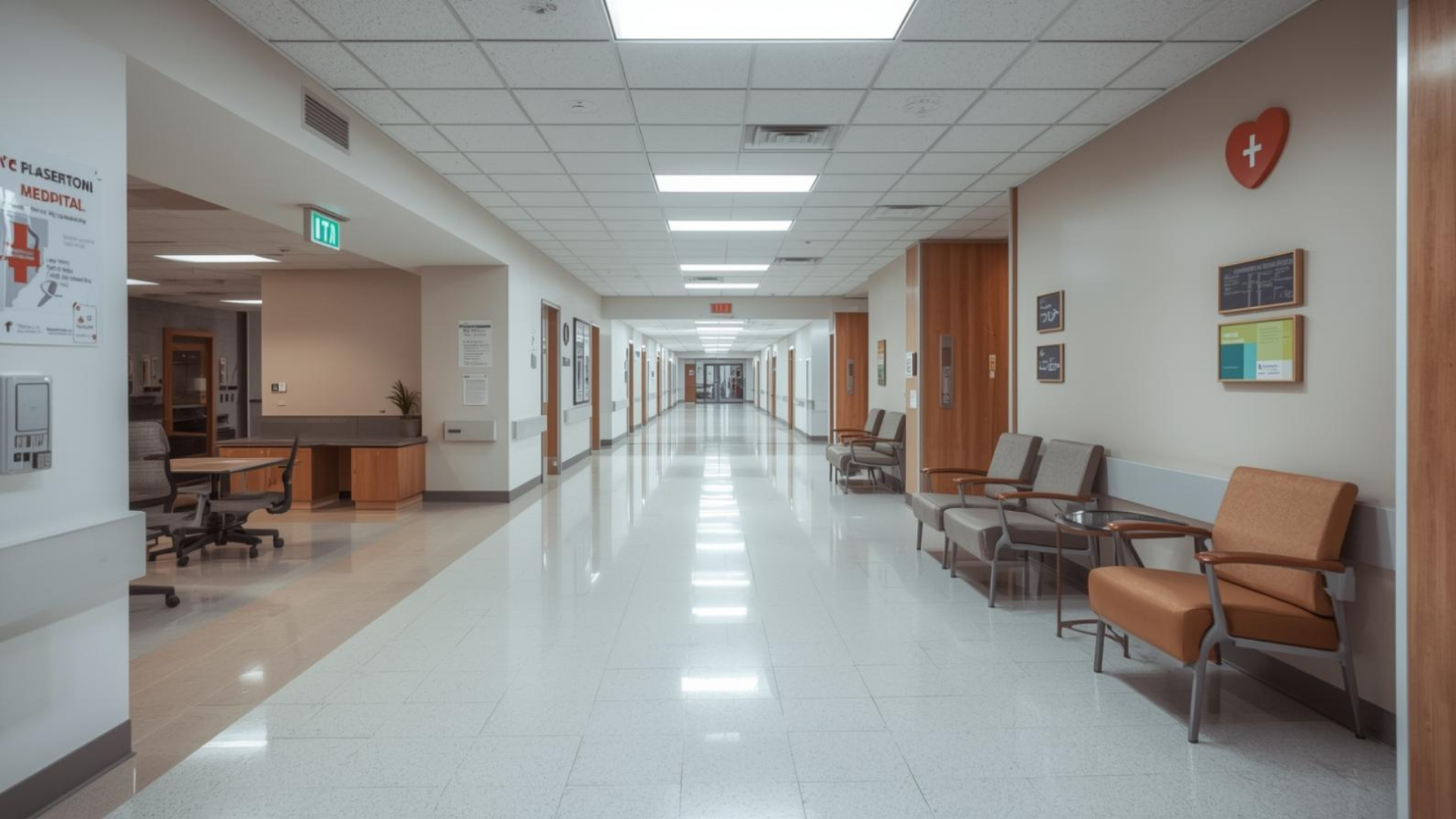
    Across the country, many Veterans rely on VA medical centers not just for treatment, but for long-term health support, rehabilitation, and specialized care. In 2026, the Department of Veterans Affairs announced one of its largest infrastructure investments yet — a move designed to improve safety, modernize facilities, and strengthen health services nationwide.

    The initiative includes nearly $4.8 billion dedicated to upgrading health care infrastructure, marking the largest single-year investment through the VA’s Non-Recurring Maintenance program. These funds will go toward repairing aging buildings, replacing outdated equipment, and improving medical spaces so Veterans receive care in environments that match modern clinical standards.

    Why Infrastructure Matters More Than Most People Think

    For many Veterans, a hospital visit is more than a routine appointment — it’s a connection to trusted providers and specialized services tailored to military-related health needs. Over time, however, facilities require upgrades to keep up with medical advancements and patient demand.

    The VA’s modernization effort focuses on projects that are not part of routine maintenance. Instead, the program supports major repairs and upgrades that help facilities remain operational and ready for future health care challenges. 

    That could mean renovating surgical spaces, improving accessibility features, upgrading heating and electrical systems, or modernizing patient areas to make visits more comfortable and efficient.

    Supporting a Growing Veteran Population

    As the needs of Veterans evolve, so must the spaces where care is delivered. Many VA medical centers were built decades ago, and while they continue to provide vital services, new technology and treatment approaches require updated environments.

    The latest investment signals a broader effort to strengthen the Veterans Health Administration’s long-term readiness. By modernizing infrastructure today, the VA hopes to reduce disruptions tomorrow — ensuring that facilities remain reliable even as demand increases.

    This approach is especially important as new programs expand access to care. For example, the VA recently increased support for Veterans receiving in-home and community-based services, helping those with complex medical conditions remain in their homes while receiving high-quality care. 

    Infrastructure improvements at medical centers help complement these programs by ensuring backup services and advanced treatment options remain available when needed.

    A Focus on Safety and Quality

    Beyond aesthetics, many modernization projects are designed to enhance safety. Updated equipment and facility repairs can reduce delays, improve infection control, and create smoother workflows for medical staff.

    These improvements also reflect feedback from Veterans themselves. Over the years, patient surveys and internal assessments have highlighted the importance of modern spaces that feel welcoming and efficient. Investing in infrastructure allows the VA to address these concerns directly — not just through policy changes but through physical improvements that Veterans can see and experience.

    Mental Health and Community Care Remain Priorities

    Infrastructure upgrades don’t exist in isolation. They are part of a broader effort to strengthen the overall Veteran care system, including mental health services and suicide prevention initiatives.

    Recent reports show that suicide prevention continues to be a major clinical focus, with the VA analyzing data trends to improve outreach and support strategies for at-risk Veterans. 

    Improved facilities — from counseling rooms to community support spaces — help create environments where Veterans feel more comfortable seeking help.

    What Veterans Can Expect Next

    While large investments take time to implement, many projects will begin rolling out through 2026 and beyond. Veterans may notice renovations, equipment upgrades, or expanded service areas at their local VA medical centers.

    The goal is not just to repair buildings, but to create a health care system that feels modern, responsive, and prepared for the future.

    For Veterans and their families, this investment represents more than construction — it reflects a commitment to improving the quality of care and ensuring that health services evolve alongside the people they serve.

    The Bigger Picture

    Health care is constantly changing, and the VA’s decision to invest billions into modernization highlights a long-term vision: stronger facilities, better patient experiences, and improved clinical outcomes.

    As new programs expand access to care at home and within communities, updated infrastructure will play a key role in supporting those services. Together, these efforts signal a continued focus on innovation, accessibility, and the well-being of Veterans nationwide.


  • VA Announces Record Investment to Improve Health Care Infrastructure

    VA Announces Record Investment to Improve Health Care Infrastructure

    Modernizing health care infrastructure is a challenge for any large system — but when the stakes involve the well-being of millions of Veterans, it becomes a national priority. In late January 2026, the Department of Veterans Affairs announced a historic investment of nearly $4.8 billion aimed at upgrading medical facilities, modernizing technology, and improving Veteran health care experiences across the country. 

    This unprecedented single-year spend reflects a renewed focus on quality, safety, and future readiness — not just routine maintenance.

    What the Investment Means

    The bulk of the funding comes through the VA’s Non-Recurring Maintenance (NRM) program, which tackles major facility upgrades that go beyond everyday repairs. Key priorities include: 

    • Repairing and modernizing aging medical infrastructure

    • Updating electrical systems, elevators, and HVAC

    • Preparing facilities for future Electronic Health Record modernization

    • Replacing outdated infrastructure systems

    This kind of capital investment affects both frontline clinical spaces and back-end systems that support care delivery.

    Why It Matters for Veterans

    Veterans seeking care often travel long distances, navigate crowded clinics, or adapt to outdated systems. These infrastructure upgrades aim to reduce friction in those experiences by ensuring clinics and hospitals remain safe, accessible, and equipped for modern practice.

    With nearly $3 billion earmarked for core repairs and renovations, aging buildings will get much-needed upgrades — a development that can reduce patient wait times, provide better space for sensitive procedures, and improve accessibility for patients with mobility challenges. 

    The investment also includes major upgrades to electronic systems like health records, which can streamline clinical workflows and reduce administrative friction for doctors and nurses — meaning more time focused on patient care.

    A Broader Vision for Veteran Health

    This investment doesn’t happen in a vacuum. It aligns with wider efforts across the VA to improve Veterans’ experiences, including workforce planning, community clinic expansions, and telehealth enhancements. Together, these efforts reflect a comprehensive approach to veteran health care modernization — one that recognizes both physical infrastructure and digital systems matter.

    What Veterans Can Expect

    In practical terms, Veterans might see improvements such as:

    • Refreshed waiting rooms and clinic spaces

    • More reliable power and environmental systems

    • Better disability-friendly design and accessibility

    • Faster, more connected electronic health records

    In future years, this could also unlock support for research initiatives and specialized care programs that were previously limited by facility constraints.

    Final Reflections

    Investing billions in health care infrastructure isn’t just about buildings — it’s about reaffirming commitment to quality care for those who have served. For Veterans and their families, this upgrade represents both progress and promise.

    As health care demands evolve with demographic changes, this historic investment provides the foundation for safer, more reliable, and more compassionate care in the years ahead.


  • Riding for a Cause: How a Veteran Motorcycle Run Is Preventing Suicide

    Riding for a Cause: How a Veteran Motorcycle Run Is Preventing Suicide

    It was a brisk morning in early September when over 60 motorcycles roared to life in Albuquerque, New Mexico — a powerful rumble that echoed far beyond engine noise. This wasn’t just another ride; it was the start of the annual “Be the One” New Mexico S.A.V.E. Run, a Veteran-led effort to raise awareness, build community, and save lives. 

    For twelve consecutive years, the New Mexico American Legion Riders (ALR) have organized this ride not as a thrill-seeking event but as a mission with meaning. Participants roll out from the Raymond G. Murphy Department of Veterans Affairs Medical Center and journey nearly 190 miles to the Vietnam Veterans Memorial in Angel Fire. 

    At the heart of this mission is the idea that connection and awareness can save lives.

    What Does S.A.V.E. Stand For?

    The acronym S.A.V.E. isn’t random — it’s a deliberate framework for suicide prevention:

    • S: Signs & Symptoms

      Watch for shifts in behavior — isolation, mood swings, or increased substance use.

    • A: Ask the Question

      Sometimes the most important step is simply asking, “Are you thinking of harming yourself?”

    • V: Validate Feelings

      LISTEN without judgment, reinforce that struggles matter.

    • E: Encourage Connection

      Help the person find resources and community. 

    This framework gives participants and supporters a clear, memorable tool in their mental health toolkit.

    A Ride With Deeper Meaning

    For many involved, the event is personal.

    One rider, Jesus “Zap” Zapata, carries the memories of two friends lost to suicide — deeply shaping his commitment to this cause. “When we ride, we’re riding for a purpose that’s bigger than us,” Zapata said. 

    But the ride isn’t just symbolic. Each stop along the way — and especially at the end with the Vietnam Veterans Memorial — becomes a moment of reflection, conversation, and shared resolve. Veterans, families, riders, and local community members gather not just to honor sacrifice but to actively foster connection and support.

    Community Support and S.A.V.E. Training

    S.A.V.E. proactively teaches skills that go beyond the ride, offering training that equips people to recognize when someone might be in crisis and how to respond thoughtfully.

    Christina Camacho, a behavioral health social worker and liaison for the S.A.V.E. Ride, highlights how these connections matter: “We empower people to recognize warning signs and connect Veterans to life-saving resources,” she said. 

    Their efforts have real impact — the program supports hundreds of Veterans through suicide prevention rosters and community follow-ups, showing the far-reaching value of putting connection before isolation.

    A Call to Action

    The message from the American Legion Riders is clear: Don’t wait to be asked before you reach out — be there for someone. Whether it’s a casual check-in, a cup of coffee, or sharing training on the S.A.V.E. framework, every connection can make a difference.

    As participants like New Mexico ALR leaders emphasize, supporting Veterans is not a one-time event. It’s a continuous journey — one that can begin with a motorcycle ride and carry forward into everyday acts of care and presence.

    Final Thought

    If there’s one takeaway from the S.A.V.E. Run and its community support network, it’s this: awareness turns into action, and action can save lives. For Veterans and their families, one conversation — one check-in — can be the difference between despair and hope.


  • Am I Eligible for a VA Home Loan? A Veteran’s Guide to Checking Your Eligibility

    Am I Eligible for a VA Home Loan? A Veteran’s Guide to Checking Your Eligibility

    I’ll never forget the afternoon I found out I actually qualified for a VA home loan.

    It was a slow Saturday. My partner and I had just moved into a rental near the city where I was starting a new civilian job. We had been talking about buying a home for months — but every evening ended with more questions than answers.

    “Do we even qualify?”

    “What counts toward service time?”

    “Does active duty count differently than reserves?”

    “What if we used the benefit before?”

    We had stacks of pamphlets, PDFs, and scattered notes. Nothing made it clear. That’s when I stumbled on the VA Home Loan Eligibility Checker on VA.org.

    At first, I thought it would be another dead end. But instead it became the first moment I felt like I could actually plan a future in a home of our own.

    Why Eligibility Matters

    Using a VA home loan isn’t automatic just because you served. The benefit has powerful features — no down payment, no PMI, competitive rates, and limited closing costs — but you have to meet eligibility requirements first.

    For us, it wasn’t a question of “Do we want to own a home?” — it was “Can we?”

    That’s why checking eligibility early matters. It turns something that feels like guessing into something concrete.

    What Counts Toward Eligibility

    When I opened the eligibility tool, the first thing I learned was this: there are a few key categories that determine whether a Veteran or service member can qualify:

    1. Military Service Type

    • Active Duty

    • National Guard

    • Reserves

      Each has slightly different rules for service time and discharge conditions.

    2. Length of Service

    There’s a minimum service requirement that varies based on when and how you served.

    3. Discharge Status

    Only certain discharge types qualify — usually “honorable” or “other than dishonorable.”

    4. Remaining Entitlement

    If you used the benefit before, you may still have remaining entitlement to use it again.

    At first the list felt intimidating. But the eligibility checker turned those rules into something you could test against your own history.

    Using the VA Home Loan Eligibility Tool

    The eligibility checker itself is straightforward. You enter:

    • Your service branch

    • Your categories of service (active duty, reserves, guard)

    • Your dates of service

    • Your discharge status

    Within moments, the tool gives you a clear answer:

    Yes, you qualify

    No, you don’t (yet)

    Or sometimes: You may qualify under a different category

    For us, the answer was yes — which was a mix of relief and excitement neither of us expected. It wasn’t just numbers. This was the first time we felt like owning a home wasn’t some distant dream.

    What I Did Next

    Once I knew we were eligible, here’s what I did:

    1. Prepared My Certificate of Eligibility (COE)

    The eligibility result helped me get the COE — the document lenders require to prove I could use a VA loan.

    2. Talking to a VA-savvy Lender

    Not every lender understands the VA benefit equally. I chose one that helps Veterans every day, and that made the process smoother.

    3. Set a Budget Using BAH and Salary

    Knowing eligibility let us plan — not just fantasize — about how much house we could afford.

    4. Started Home Shopping

    With the COE in hand and confidence in our eligibility, we started house hunting.

    Each step built on the last, and it all started with knowing we were qualified.

    Common Myths Debunked

    Along the way, I learned a few things that surprised me:

    “You have to be active duty”

    No. Many National Guard and Reserve members qualify — if they meet time-in-service rules.

    “Using it once means you can never use it again”

    Wrong. You may have remaining entitlement even if you’ve used a VA loan before.

    “It takes forever to know if you qualify”

    Not with the eligibility tool. It is fast and clear — you get results in minutes.

    These myths had kept us on the sidelines for too long.

    Why You Should Check ASAP

    Despite all the excitement, the biggest lesson I learned is this:

    You can plan better when you know.

    Buying a home is a big decision. Without knowing if we even qualified, we were guessing in the dark. The eligibility checker switched the lights on.

    It gave us confidence, direction, and a first step on a journey that actually felt possible.

    Final Thoughts

    If you served and you’re thinking about owning a home — don’t wait until you think you’re ready. Start by checking your eligibility.

    The VA Home Loan Eligibility tool is easy to use, clear in its results, and it might be the very thing that turns a long-held hope into a real plan.

    For us, it wasn’t just clicking a button — it was the moment we started planning a future in a place called home.


  • VA Disability Rating Estimator for Veterans: How It Works and Why It Matters

    VA Disability Rating Estimator for Veterans: How It Works and Why It Matters

    Understanding your VA disability rating can feel overwhelming. Veterans often receive their rating decision letters and wonder “How did they arrive at this number?” or “Am I missing something that could increase my rating?” This is where the VA Disability Rating Estimator becomes a useful and empowering tool. The VA Disability Rating Estimator is designed to help Veterans get a clearer sense of how disability ratings may be calculated before they file a claim or appeal. It’s not an official VA decision, but it gives you a way to estimate how individual conditions and combinations of conditions might be rated. Let’s explore how this tool works, what it can and cannot do, and why it can be so helpful as part of your benefits planning.

    Why Disability Ratings Matter

    A VA disability rating represents the severity of a Veteran’s service-connected condition. Ratings determine:

    • Monthly compensation amounts
    • Eligibility for additional VA benefits
    • Priority considerations for certain programs

    Even small differences in ratings can significantly affect monthly compensation, health care support, and eligibility for other benefits. That’s why understanding how the rating is calculated matters.

    What Is the VA Disability Rating Estimator?

    The VA Disability Rating Estimator is an online tool that allows Veterans to enter information about their medical conditions and receive an estimated disability rating based on VA rules and formulas. This estimator:

    • Lets you input multiple service-connected conditions
    • Applies VA rating criteria to calculate likely combined ratings
    • Helps visualize how combined conditions may interact
    • Presents an estimate — not an official VA rating

    The tool is designed to give Veterans clarity and insight, especially before filing a claim or pursuing an appeal.

    How the Estimator Works

    When you use the VA Disability Rating Estimator:

    1. You list service-connected conditions you want to evaluate.
    2. For each condition, you choose associated symptoms or severity indicators.
    3. The tool applies the VA’s standard rating formulas — including the “combined ratings” method — to generate an estimate.

    The VA does not simply add percentages together. Instead, it uses a combined rating table that accounts for how multiple disabilities are weighted. This estimator approximates that process so you can see a realistic estimate.

    What the Tool Can and Cannot Do

    It’s important to understand both the value and the limits of the estimator: What it can do

    • Provide a reasoned estimate of disability ratings
    • Show how multiple conditions may combine
    • Help identify potential missing symptoms to document

    What it cannot do

    • Replace the official VA rating decision
    • Guarantee any specific outcome
    • Submit a claim or appeal on your behalf
    • Account for all individual medical complexity

    Think of this tool as a preparation aid, not a decision maker.

    Why Using the Estimator First Helps

    Veterans who use the estimator before filing a claim often feel:

    • More informed about what to expect
    • Better prepared to describe their conditions clearly
    • Less surprised by initial rating decisions

    In some cases, using the estimator can help you spot conditions or symptoms you may want to document more thoroughly before submitting your claim. That preparation can reduce back-and-forth with VA and help you build a stronger case from the start.

    A Veteran’s Perspective: Planning Ahead

    Consider this real-world example (anonymized for privacy): Veteran A had two service-connected conditions: back pain and tinnitus. After using the estimator, he realized his combination of symptoms could yield a higher combined rating than he initially thought. He then added more detailed medical evidence to support daily limitations and functional impact. When he filed his claim, his initial rating was closer to his expectations — saving months of rework. This shows that even if the tool doesn’t guarantee a specific rating, it helps guide Veterans toward better preparation.

    Tips for Using the VA Disability Rating Estimator

    • List all relevant conditions — even minor ones matter in combination.
    • Be honest and specific about symptoms and limitations.
    • Keep medical records handy when conducting your estimate.
    • Use the estimate as a discussion guide with your doctor or VA representative.

    Remember, the clearer the evidence and description you provide, the more accurate your eventual rating is likely to be.

    What to Do After You Get Your Estimate

    Once you’ve used the estimator:

    • Compare it with your actual rating decision (if you already filed) 
    • Use it as a roadmap when preparing or updating claims 
    • Discuss findings with your VA doctor or representative 

    If there’s a gap between your actual rating and the estimate, you may consider follow-up actions such as supplemental claims or appeals — but always with documented evidence.

    Final Thoughts

    The VA Disability Rating Estimator for Veterans is a powerful insight tool that helps demystify how ratings might be calculated before you file a claim. It’s not a replacement for the official VA process, but it gives you knowledge and confidence before you take action. Preparation is empowering — and this estimator is one tool that can help you better understand your situation, set realistic expectations, and approach your VA disability claim with clarity. Use the tool, gather evidence, and plan your next steps with confidence.  


  • VA Form 10 Explained: How Veterans Enroll in VA Health Care

    VA Form 10 Explained: How Veterans Enroll in VA Health Care

    For many Veterans, accessing VA health care begins with a single but important step — enrollment. While VA medical benefits are widely discussed, the process of getting started can feel unclear, especially for Veterans who have never applied before or who assume they are not eligible. VA Form 10, officially known as VA Form 10-10EZ, is the application used to enroll in VA health care. Understanding what this form does, who should complete it, and what happens afterward can help Veterans make informed decisions about their care.

    What Is VA Form 10?

    VA Form 10-10EZ is the official application Veterans use to request enrollment in the VA health care system. Submitting this form allows the Department of Veterans Affairs to review a Veteran’s service history, financial details, and eligibility factors to determine access to VA medical benefits. Completing the form does not obligate a Veteran to use VA health care services. Instead, it establishes eligibility and creates the option to access care when needed.

    Who Should Apply for VA Health Care?

    Many Veterans mistakenly believe VA health care is only for those with service-connected disabilities. In reality, eligibility extends to a broader group. Veterans may consider applying if they:

    • Served on active duty and were discharged under conditions other than dishonorable
    • Have never enrolled in VA health care before
    • Experienced changes in income, family status, or health
    • Were previously denied but believe their circumstances have changed

    Even Veterans with private insurance may still qualify for VA care, either as a primary provider or as supplemental coverage.

    What Information Does VA Form 10 Collect?

    VA Form 10 requests information that helps the VA assess eligibility and assign a priority group. This includes:

    • Military service and discharge details
    • Household income and dependents
    • Insurance coverage, if any
    • Contact and residency information

    Providing accurate and complete information is important, as errors or omissions can delay processing or affect eligibility determinations.

    How to Apply Using VA Form 10

    Veterans can submit VA Form 10-10EZ in several ways:

    • Online through the VA’s official enrollment system
    • By mail using a printed form
    • In person at a VA medical center

    Applying online is often the fastest method, but Veterans may choose whichever option feels most comfortable. Assistance is also available at VA facilities for those who need help completing the form.

    What Happens After You Apply?

    Once the application is submitted, the VA reviews the information and determines eligibility. Veterans are then placed into a VA priority group, which helps determine access to services and potential cost responsibilities such as copayments. After approval, Veterans receive confirmation of enrollment and can begin scheduling appointments at VA medical facilities. Processing times may vary depending on application volume and individual circumstances.

    Understanding Priority Groups

    VA health care operates on a priority group system, which considers factors such as:

    • Service-connected disability rating
    • Income level
    • Military awards or special service status

    Priority groups help the VA manage resources and ensure care is delivered efficiently. A Veteran’s group assignment may change if income or health status changes over time.

    Why Enrollment Matters — Even If You Don’t Need Care Now

    Some Veterans delay enrollment because they feel healthy or already have private insurance. However, enrolling early can be beneficial. Once enrolled, Veterans can access care more quickly if health needs arise and avoid delays caused by starting the process later. Enrollment also establishes a relationship with the VA health care system, making it easier to coordinate care in the future.

    Final Thoughts

    VA Form 10 is more than just paperwork — it is the gateway to VA health care benefits. By understanding how the form works and who should apply, Veterans can make informed decisions about their health and well-being. Enrollment does not require immediate use of services, but it creates options and peace of mind. For Veterans considering VA health care, completing VA Form 10 is a practical first step.