Tag: Veterans Alliance

  • How Mental Healthcare Contributes to Veteran Wellbeing and Long-Term Recovery

    How Mental Healthcare Contributes to Veteran Wellbeing and Long-Term Recovery

    Mental healthcare remains one of the most important components of overall veteran wellbeing. From stress and anxiety to PTSD, depression, adjustment challenges, and emotional recovery, mental health services help veterans improve quality of life and strengthen long-term wellness. 

    The Department of Veterans Affairs continues expanding mental health resources, research programs, telehealth services, crisis intervention support, and treatment options designed specifically for veterans and their families. 

    Mental healthcare is not only focused on crisis situations. Many services are designed to support daily wellbeing, emotional resilience, healthy relationships, stress management, and successful transitions into civilian life.

    Available support may include:

    • counseling and therapy services
    • PTSD treatment programs
    • depression and anxiety support
    • family and relationship counseling
    • crisis intervention resources
    • telehealth mental health services
    • wellness and recovery programs 

    The VA’s broader Whole Health approach also emphasizes treating the whole person rather than focusing only on medical conditions. This includes attention to emotional, social, physical, and personal wellbeing goals. 

    Mental health professionals continue encouraging veterans to seek support early rather than waiting until challenges become overwhelming. Accessing care is increasingly viewed as a sign of strength and proactive self-care rather than weakness.

    Research continues showing that veterans who connect with mental health resources often experience improved healthcare engagement, stronger recovery outcomes, and greater long-term stability. 

    As veteran support systems continue evolving, mental healthcare remains a critical foundation for helping veterans build healthier, more connected, and more fulfilling lives.

    For veterans navigating stress, recovery, or major life transitions, access to mental health support can make a meaningful difference in overall wellbeing.

     

  • Make Today Your Day 1: VA Encourages Veterans to Quit Tobacco for Better Health

    Make Today Your Day 1: VA Encourages Veterans to Quit Tobacco for Better Health

    The Department of Veterans Affairs continues encouraging veterans to take the first step toward quitting tobacco and improving long-term health. Through counseling programs, quit coaches, medications, and support resources, veterans have access to multiple tools designed to help them successfully stop tobacco use. 

    Health experts continue emphasizing that quitting tobacco remains one of the most important decisions people can make for improving overall health, reducing disease risks, and strengthening long-term wellbeing.

    According to VA tobacco cessation resources, veterans have the highest chance of success when combining behavioral counseling with approved cessation medications. This combination helps address both nicotine cravings and long-term behavioral habits associated with tobacco use. 

    The VA currently offers several support options, including:

    • tobacco cessation counseling
    • nicotine replacement therapies
    • prescription medications
    • quit coaching services
    • follow-up support programs
    • telephone and virtual assistance resources 

    Veterans can also access the VA’s Quit VET program, which provides free telephone coaching and personalized support plans to help individuals prepare for challenges during the quitting process. 

    Many veterans worry about withdrawal symptoms or previous unsuccessful attempts, but health professionals emphasize that multiple attempts are often part of the process and should not discourage future efforts.

    Recent VA and Department of Defense clinical guidance has also strengthened evidence-based recommendations for tobacco treatment programs and cessation support throughout veteran healthcare systems. 

    Quitting tobacco can improve heart health, lung function, energy levels, and overall quality of life while reducing long-term health risks.

    For veterans considering a healthier future, taking the first step today may be one of the most important investments in long-term wellbeing.


  • Meet AI Joe: The AI-Powered Veteran Specialist Available Anytime

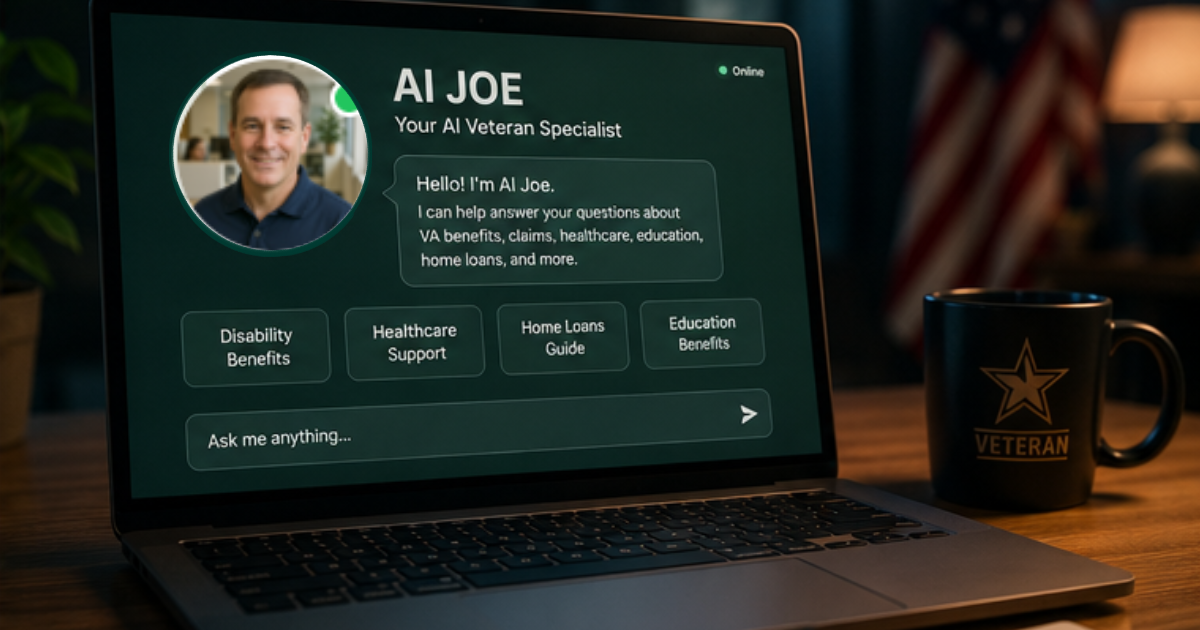
    Meet AI Joe: The AI-Powered Veteran Specialist Available Anytime

    Navigating veteran benefits can sometimes feel overwhelming, especially when dealing with healthcare, disability claims, home loans, education benefits, and paperwork all at once.

    AI Joe was created to make that process easier.

    Available through VA.org, AI Joe is an AI-powered veteran support assistant designed to help veterans get faster answers to common questions related to benefits, claims, healthcare resources, housing support, and more.

    Instead of searching through multiple websites or waiting for office hours, veterans can ask questions directly and receive immediate informational guidance.

    AI Joe can help users:

    • understand disability-related questions
    • explore healthcare resources
    • learn about home loan guidance
    • find educational support information
    • access benefit-related tools and resources

    One of the biggest advantages of AI-powered support is accessibility. Veterans can access guidance anytime without needing appointments or long wait times.

    For many veterans, quick access to information helps reduce stress and confusion when navigating complicated systems.

    Digital support tools are becoming increasingly important as more veterans seek faster and more convenient ways to access information online.

    While AI Joe does not replace official legal or medical advice, it can provide veterans with a simpler starting point for understanding available resources and next steps.

    As AI technology continues improving, tools like AI Joe are helping make veteran support more accessible, responsive, and user-friendly.


  • 2026 BAH Calculator Helps Veterans Estimate Housing Allowance More Easily

    2026 BAH Calculator Helps Veterans Estimate Housing Allowance More Easily

    Understanding housing allowance can be confusing for many veterans and military families, especially when rates vary depending on location and eligibility.

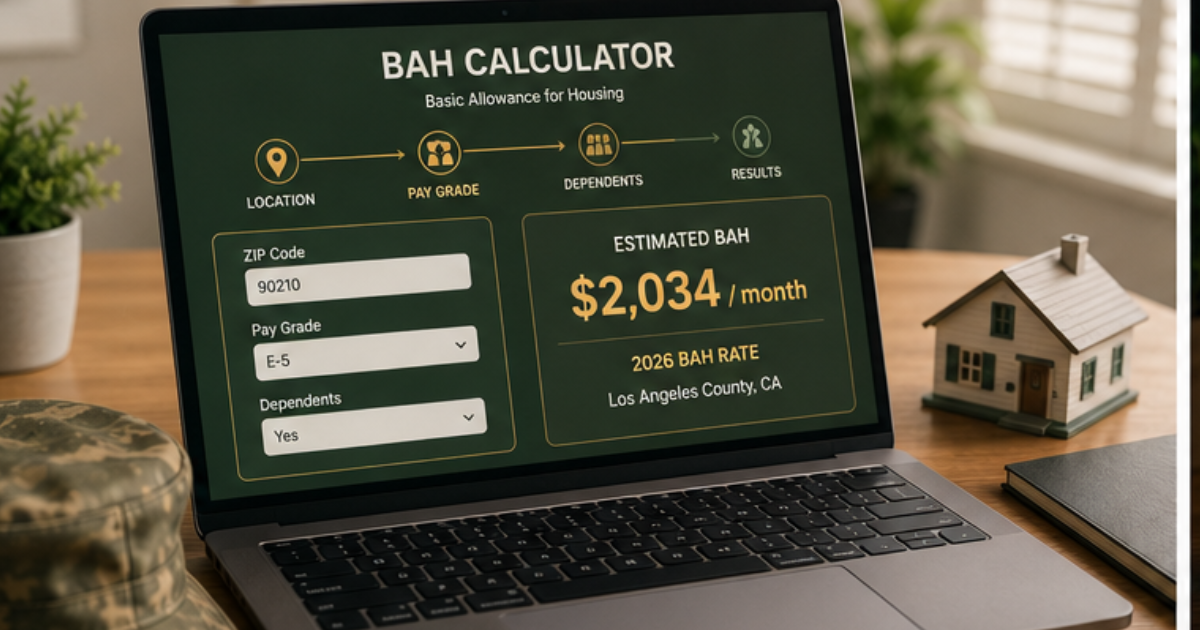
    The 2026 BAH Calculator on VA.org helps simplify this process by allowing users to estimate potential housing allowance based on factors like ZIP code, pay grade, and dependency status.

    Basic Allowance for Housing (BAH) is intended to help cover housing expenses when government housing is unavailable. For veterans using education benefits such as the Post-9/11 GI Bill, housing payments are often tied to local BAH rates.

    Housing support amounts can vary significantly between cities and states because calculations are based on local rental market conditions and military pay structures.


    The calculator helps users:

    • estimate monthly housing allowance
    • compare regional housing differences
    • understand GI Bill housing support
    • improve budgeting and financial planning
    • prepare for relocation or education expenses

    For many veterans, having a clear estimate can reduce uncertainty and make financial planning easier before moving, attending school, or changing housing arrangements.

    As housing costs continue fluctuating nationwide, tools that improve transparency and planning can help veterans make more informed financial decisions.

    The BAH Calculator provides a faster and simpler way to understand what housing support may look like before making major life decisions.


  • You Could Be Losing Thousands on Your Home Loan Without Realizing It

    You Could Be Losing Thousands on Your Home Loan Without Realizing It

    Many veterans may qualify for valuable home loan benefits but still end up paying more than necessary due to missed opportunities, higher interest rates, or limited understanding of available options.

    VA-backed home loans are designed to help eligible veterans access competitive financing with benefits that often include lower down payment requirements and reduced borrowing costs compared to traditional mortgage programs. However, not fully understanding how these loans work can result in long-term financial losses.

    Small differences in mortgage rates can create major financial impacts over the life of a loan. Even slightly higher rates may add thousands of dollars in additional payments over time.

    Common areas where veterans may lose money include:

    • accepting higher interest rates
    • missing refinancing opportunities
    • paying avoidable loan fees
    • misunderstanding eligibility advantages
    • choosing less favorable loan structures

    For many veterans, the challenge is not qualification—it’s awareness.

    Understanding how VA home loan benefits work, comparing options carefully, and reviewing financing terms can help veterans make more informed housing decisions.

    Financial experts continue encouraging borrowers to evaluate refinancing opportunities, monitor market changes, and understand all long-term costs before committing to major mortgage decisions.

    Housing remains one of the largest financial commitments for most families, which makes education and planning especially important.

    For veterans planning to purchase or refinance a home, understanding available VA housing benefits can help improve long-term financial stability and reduce unnecessary expenses.


  • Federal EHR Updates Expected to Improve Veteran Healthcare Access and Coordination

    Federal EHR Updates Expected to Improve Veteran Healthcare Access and Coordination

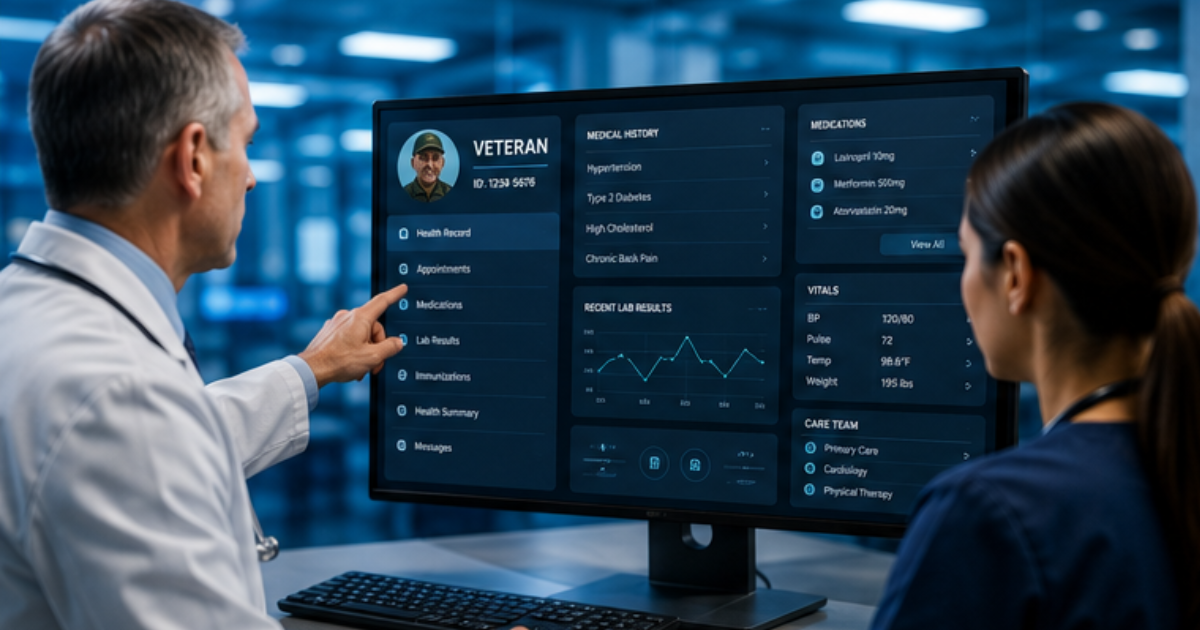
    The Department of Veterans Affairs continues expanding and modernizing its Federal Electronic Health Record (EHR) system as part of a larger effort to improve healthcare coordination and patient experiences for veterans nationwide. According to the latest update, additional VA medical centers and clinics are scheduled to receive the new system throughout 2026. 

    The Federal EHR system is designed to replace older healthcare record systems with a more connected and streamlined digital platform that allows providers to access medical information more efficiently across VA and Department of Defense healthcare networks. 

    Officials say the modernization effort is focused on improving patient care by reducing delays, improving coordination between providers, and simplifying how healthcare information is shared. Veterans receiving care through participating facilities may benefit from faster access to records, improved appointment coordination, and more consistent healthcare experiences. 

    Planned improvements include:

    • better healthcare data sharing
    • improved appointment coordination
    • streamlined clinical documentation
    • enhanced prescription management
    • easier access to patient records
    • stronger communication across facilities 

    The EHR modernization program has faced challenges during earlier deployment phases, including technical issues and operational concerns, but VA officials continue emphasizing that updates and improvements are helping strengthen reliability and patient outcomes over time. 

    As deployments continue expanding across additional medical centers in 2026, the long-term goal remains creating a more unified and efficient healthcare experience for veterans nationwide. 

    For veterans, improved healthcare technology can mean faster access to information, reduced paperwork, and more connected care experiences across different healthcare providers.


  • Spiritual Care Programs Continue Supporting Homeless Veterans Beyond Housing

    Spiritual Care Programs Continue Supporting Homeless Veterans Beyond Housing

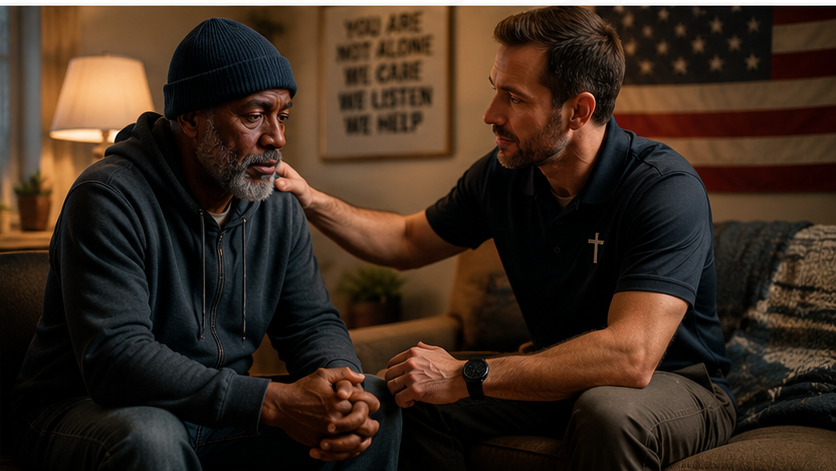
    Support programs for homeless and formerly unhoused veterans continue evolving beyond housing assistance by focusing more closely on emotional wellness, connection, and long-term recovery support.

    Spiritual care initiatives are becoming an increasingly important part of helping veterans rebuild stability and improve overall wellbeing. 

    Programs connected to veteran housing support efforts often recognize that recovery involves more than simply providing shelter. Emotional support, purpose, relationships, and personal connection also play important roles in long-term wellbeing.

    Research surrounding veteran housing programs has highlighted how spiritual support and community engagement may help improve quality of life for veterans transitioning out of homelessness. 

    Spiritual care support may include:

    • counseling and chaplain services
    • emotional wellness support
    • peer connection programs
    • community-building activities
    • grief and trauma support
    • wellness and recovery guidance

    Community organizations and veteran programs continue exploring ways to provide more holistic support systems that address both practical and emotional challenges.

    For some veterans, spiritual care may help restore a sense of meaning, dignity, and personal connection during difficult transitions.

    Healthcare and support professionals increasingly recognize that long-term recovery often requires attention to emotional and social wellbeing alongside housing and financial assistance.

    As more veteran-focused organizations expand holistic support programs, spiritual care continues becoming an important part of broader veteran wellness initiatives.


  • Women Veterans: VA Outreach and Support Services Are Expanding Nationwide

    Women Veterans: VA Outreach and Support Services Are Expanding Nationwide

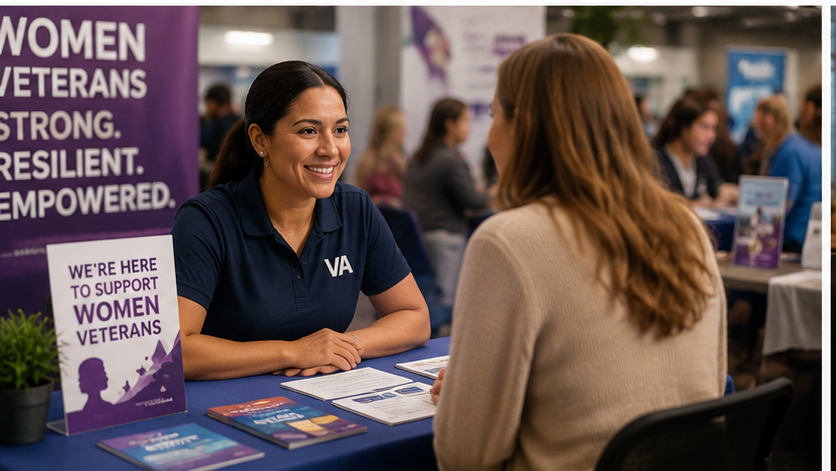
    The Department of Veterans Affairs continues expanding outreach efforts aimed at improving access to healthcare, benefits, and support services for women veterans across the country. New regional initiatives and community events are designed to help more women veterans connect directly with available resources and programs. 

    As the number of women veterans continues growing nationwide, the VA has increased focus on ensuring services are more accessible, visible, and responsive to their needs.

    Outreach programs are intended to improve awareness about available healthcare services, mental health resources, education support, maternity care, benefits guidance, and community assistance programs.

    Many women veterans may not realize the full range of services available to them or may face challenges navigating systems after military service.

    Current outreach efforts may include:

    • regional veteran summits
    • healthcare education events
    • women veteran support programs
    • community resource connections
    • benefits awareness initiatives
    • wellness and mental health support 

    The VA has emphasized that improving outreach is an important part of ensuring women veterans feel recognized, informed, and supported throughout their post-service journey.

    Community events and regional programs also create opportunities for women veterans to connect with other veterans, organizations, and support networks.

    As services continue expanding, outreach efforts aim to bring more personalized support directly into local communities instead of expecting veterans to navigate everything alone.

    For many women veterans, increased visibility and easier access to information can make a meaningful difference in long-term wellbeing and healthcare engagement.


  • Job Search Tips for New Graduates Entering Today’s Competitive Market

    Job Search Tips for New Graduates Entering Today’s Competitive Market

    Entering the job market as a new graduate can feel challenging, especially in today’s highly competitive hiring environment. Career experts continue encouraging graduates to focus on adaptability, practical experience, networking, and skill development to improve job opportunities in 2026. 

    The hiring landscape has changed significantly in recent years. Many entry-level roles are becoming more competitive, while employers increasingly look for candidates who can demonstrate practical skills, flexibility, and the ability to learn quickly.

    Networking remains one of the most important tools for new graduates. Building professional relationships through internships, LinkedIn connections, alumni networks, and career events can often create opportunities beyond standard online applications. 

    Experts also recommend focusing on transferable skills and real-world experience instead of relying only on academic achievements.

    Important job search strategies may include:

    • building a strong resume and online profile
    • developing AI and digital skills
    • applying strategically instead of mass applying
    • networking consistently
    • creating portfolios or project examples
    • staying flexible about entry-level opportunities 

    Many employers now expect graduates to understand AI-assisted tools and modern workplace technology, even in non-technical roles. Demonstrating adaptability and willingness to learn can help candidates stand out.

    Career experts also encourage graduates to remain patient during the hiring process, as recruitment timelines may take longer than expected in some industries.

    For veterans transitioning into civilian careers, these strategies can be especially valuable when translating military experience into professional opportunities.

    The most successful job searches often combine preparation, persistence, and continuous skill improvement.


  • VA Hospitals Earn Record-High Quality Ratings in 2026 CMS Report

    VA Hospitals Earn Record-High Quality Ratings in 2026 CMS Report

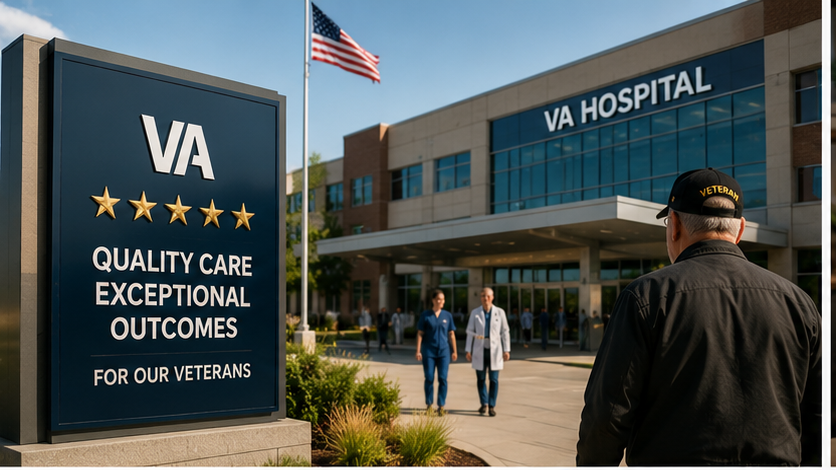
    The Department of Veterans Affairs has announced record-high hospital quality ratings in the latest 2026 report released by the Centers for Medicare & Medicaid Services (CMS). According to the report, 78% of VA hospitals receiving an Overall Hospital Quality Star Rating earned four or five stars, marking one of the strongest performances in recent years. 

    The ratings are based on several key healthcare quality categories, including patient safety, mortality, readmission rates, patient experience, and effectiveness of care. A higher star rating reflects stronger overall hospital performance and patient outcomes. 

    The latest results continue a positive trend for VA healthcare systems. Officials noted that this is the second consecutive year in which no VA hospital received a one-star rating, while a large majority maintained or improved their previous ratings. 

    The report also highlights how VA hospitals continue outperforming many non-VA healthcare facilities in several patient care categories.

    Areas contributing to stronger ratings include:

    • improved patient experience
    • enhanced safety standards
    • better care coordination
    • faster treatment access
    • stronger healthcare outcomes

    The VA has continued investing in healthcare modernization, infrastructure upgrades, and digital health systems aimed at improving veteran care experiences nationwide. 

    For veterans and families, these ratings provide additional confidence when evaluating healthcare options and accessing VA medical services.

    As healthcare expectations continue evolving, maintaining strong quality standards remains an important focus for veteran healthcare systems across the country.