Category: Housing

  • Main Pillars of the VA Home Loan Benefit Explained

    Main Pillars of the VA Home Loan Benefit Explained

    The VA home loan program is built on core principles designed to reduce financial barriers for Veterans pursuing homeownership.

    Pillar 1: No Down Payment

    One of the most appealing aspects of the VA home loan benefit is the ability to purchase a home without a down payment. For many homebuyers, accumulating a sizable down payment is the biggest hurdle to homeownership, often forcing long delays or limiting housing options. The VA benefit removes that requirement for qualified Veterans and service members, allowing individuals to preserve cash for other essential expenses like moving costs, emergency funds, or initial maintenance.

    This benefit doesn’t just reduce the upfront cost — it also broadens access to homeownership. Veterans can compete in markets where buyers are required to put down 10% or more. Without a down payment barrier, eligible borrowers are often able to step into homeownership sooner, build equity over time, and utilize their earned benefit more effectively and earlier in life.

    Pillar 2: No PMI

    Conventional mortgages typically require private mortgage insurance (PMI) if the borrower makes a down payment of less than 20%. PMI protects the lender, not the homeowner, from the risk of default — yet the borrower must pay the premium. Over the life of a loan, PMI can add thousands of dollars to total housing costs.

    VA loans eliminate that requirement entirely. Even with no down payment, Veterans using a VA loan do not pay PMI, which can result in significant monthly savings. Over the life of the loan, this can add up to tens of thousands of dollars in savings compared to a non-VA loan requiring PMI. This structure is one of the biggest drivers of the overall affordability of VA financing.

    Pillar 3: Competitive Interest Rates

    Interest rates on VA loans are typically as competitive or lower than those on conventional mortgages. This advantage exists because the VA loan guarantee reduces risk for lenders, allowing them to offer attractive rates without sacrificing underwriting standards.

    Lower rates translate directly into lower monthly mortgage payments and lower total interest paid over the life of the loan. While rates are affected by broader market conditions, Veterans often enjoy rates that make long-term financial planning easier and more predictable. Over a 15- or 30-year term, even a fraction of a percentage point difference in interest can mean significant lifetime savings.

    Pillar 4: Limited Closing Costs

    The VA also imposes limitations on the types of closing costs Veterans can be charged in connection with a loan. Certain fees that are common in conventional financing — like application fees, underwriting fees, and processing fees — are restricted or prohibited for VA loans. This measure helps protect Veterans from excessive out-of-pocket closing expenses.

    Additionally, the VA allows sellers to contribute toward closing costs, which can further reduce the cash needed at closing. When combined with the no down payment benefit, this limitation on closing costs often makes VA loans among the most accessible and cost-efficient financing options available to qualified borrowers.

    VA Funding Fee and Exemptions

    While VA loans involve a funding fee, this one-time payment helps keep the loan program sustainable without burdening taxpayers. The funding fee varies based on military category, down payment, and whether it’s a first use or subsequent use of the benefit.

    Importantly, many Veterans are exempt from the funding fee, particularly those receiving VA disability compensation due to service-connected conditions or those who qualify for other exemption categories. Even when the fee applies, it can often be financed in the loan rather than paid upfront, minimizing cash requirements at closing.

    Foreclosure Avoidance and Support

    The VA doesn’t just help Veterans obtain a home — it also provides protections and support when financial challenges arise. Should a Veteran encounter difficulty making mortgage payments due to job loss, medical issues, or other hardships, the VA offers assistance options such as repayment plans, loan modification, or temporary relief measures.

    These foreclosure avoidance tools provide an extra level of security and support. Instead of facing a rapid move to foreclosure or financial instability, Veterans can work with their VA-approved servicer and the VA to explore alternatives that help keep them in their homes whenever possible.

    Why These Pillars Matter

    Together, these core benefits form the foundation of what makes VA home loans so valuable:

    • Upfront barriers are minimized

    • Long-term affordability is enhanced

    • Out-of-pocket cash requirements are reduced

    • Risk protection and support exist throughout the home ownership journey

    In a housing market where rising costs and tightening lending standards can make homeownership seem out of reach, the VA home loan benefit gives eligible Veterans and service members a powerful, earned advantage.

    Final Thoughts

    Understanding the foundational pillars of the VA home loan benefit empowers Veterans to make informed decisions from the very first step of considering home ownership to long-term financial planning. Whether you’re a first-time homebuyer or a seasoned homeowner refinancing or moving on to your next chapter, recognizing how these core benefits work together helps you maximize this important earned benefit.


  • VA Home Loan Buyer’s Guide for Veterans & Service Members

    VA Home Loan Buyer’s Guide for Veterans & Service Members

    Buying a home is one of the most important financial decisions a Veteran or service member may make. The VA home loan program offers powerful benefits that reduce barriers to ownership, but understanding how to use those benefits effectively can make all the difference.

    This guide walks through the key steps, benefits, and decisions involved in buying a home with a VA loan — from eligibility to closing.

    Eligibility and Certificate of Eligibility (COE)

    The first step in the VA home buying process is confirming your eligibility. Most Veterans, active duty service members, National Guard members, and certain Reservists qualify based on service requirements, discharge status, and length of service.

    To participate in the VA loan program, you must obtain a Certificate of Eligibility (COE). The COE verifies to your lender that you meet VA requirements and can borrow using this benefit. You can request your COE through the VA’s eBenefits portal, by mail, or often directly through your lender.

    Having your COE early in the process gives you clarity on your borrowing power and speeds up pre-approval. It also ensures the lender can properly price your loan and estimate benefits.

    Understanding VA Loan Benefits

    The VA loan benefit is designed to make homeownership more accessible and affordable for those who served. Here are the core advantages:

    • No Down Payment Required: Unlike conventional loans, most VA loans allow you to purchase a home with zero down payment — meaning you can keep your savings intact and still become a homeowner.

    • No Private Mortgage Insurance (PMI): Since you’re not required to make a down payment, you also avoid private mortgage insurance — which can add significantly to monthly payments.

    • Competitive Interest Rates: VA loans tend to have interest rates that are as good as or better than conventional mortgage alternatives.

    • Limited Closing Costs: The VA restricts certain fees lenders can charge, and sellers are often allowed to help pay closing costs.

    • Funding Fee Options: Most borrowers pay a one-time funding fee, which helps support the VA loan program. Some Veterans may be exempt or eligible for a reduced fee based on service details.

    These benefits together help Veterans stretch their home budget further, reduce long-term costs, and position them for overall financial stability.

    Step 3: Get Preapproved

    Once you have your COE, it’s time to connect with a lender familiar with VA loans to get pre-approved. Pre-approval involves a credit check, income verification, and an estimate of how much home you can afford.

    Pre-approval offers two advantages:

    1. It gives you a clear budget before you start house-hunting.

    2. It shows sellers you are a serious buyer, which can help your offer stand out.

    While budgeting, consider not only the mortgage payment but also property taxes, insurance, utilities, maintenance costs, and future financial goals. This ensures your home purchase is sustainable over the long term.

    Step 4: Choose the Right Home

    VA loans can be used for a variety of property types, including:

    • Single-family homes

    • Multi-unit properties (up to four units, with owner occupancy)

    • VA-approved condominiums

    • New construction (subject to additional guidelines)

    When choosing a home, work with a real estate agent experienced in VA purchases. They can help you identify properties that meet VA Minimum Property Requirements (MPRs) and avoid costly surprises later.

    Step 5: Complete the VA Appraisal

    Once you’ve made an offer and the seller has accepted, your lender will order a VA appraisal. This is not the same as a home inspection — it’s a VA requirement to determine that the property is safe, structurally sound, and meets basic standards.

    The VA appraisal focuses on critical areas such as:

    • Roof condition and leaks

    • Structural integrity

    • Functioning heating system

    • Safe access (no hazards like broken stairs)

    If issues are found, the VA may require repairs or corrections before closing. Many buyers choose to also get a separate home inspection for a deeper evaluation of mechanical systems, pests, and long-term maintenance issues.

    Step 6: Close the Loan

    At closing, you’ll review final loan documents, confirm your understanding of the terms, and pay allowable closing costs. Because VA loans have limits on certain fees, your lender should walk you through exactly what you are being charged.

    After signing, ownership transfers, and you receive the keys to your new home. Congratulations — you’ve used a valuable earned benefit to become a homeowner.

    Helpful Tips

    • Work with professionals (lenders, agents) who specialize in VA loans

    • Understand your full monthly budget before making offers

    • Don’t skip inspections — appraisals and inspections serve different purposes

    • Ask about funding fee exemptions if you qualify

    By combining preparation with the unique advantages of the VA loan program, you can navigate the home buying process with confidence and clarity.

    Final Thoughts

    VA loans simplify homeownership while protecting Veterans from unnecessary financial risk. Preparation and education make the process smoother and more rewarding.


  • Apply for VA Adapted Housing Grants

    Apply for VA Adapted Housing Grants

    VA Adapted Housing Grants are designed to help Veterans with service-connected disabilities live safely and independently in their homes. These grants fund structural modifications that improve accessibility and quality of life.

    What Are VA Adapted Housing Grants?

    The VA offers two primary housing adaptation programs:

    • Specially Adapted Housing (SAH) Grant

    • Special Housing Adaptation (SHA) Grant

    Each program supports different disability needs and housing configurations.

    Specially Adapted Housing (SAH) Grant

    The Specially Adapted Housing (SAH) Grant is intended for Veterans who have incurred or aggravated certain severe service-connected disabilities. This grant can be used to construct a new adapted home, modify an existing home, or help a Veteran purchase an already accessible home.

    Examples of conditions often covered include but aren’t limited to:

    • Loss of use of both legs

    • Severe burns

    • Loss of limbs

    • Certain respiratory injuries that affect mobility

    Funds from an SAH grant can cover things like wheelchair ramps, widened doorways, accessible bathrooms, structural changes for ease of movement, and other customized improvements. This grant empowers Veterans to live independently in a space that genuinely accommodates their needs.

    Special Housing Adaptation (SHA) Grant

    While the SAH grant supports major structural changes or new construction, the SHA Grant focuses on modifying existing homes to meet specific physical needs. This can include changes to home entrances, bathrooms, kitchens, and living spaces that allow Veterans to move safely and efficiently throughout their home.

    SHA Grants are especially useful for Veterans with disabilities such as:

    • Loss of use of one or both hands

    • Blindness or severe visual impairment

    • Conditions that limit fine motor skills or reach

    The goal of the SHA Grant is not only to improve accessibility but also to provide a home environment that fosters long-term independence.

    How to Apply

    Veterans can apply for these grants through the VA by submitting the required forms and medical documentation verifying eligibility.

    Once approved, the VA works with the Veteran to ensure modifications meet accessibility and safety standards.

    What Modifications Are Covered?

    • Wheelchair ramps and widened doorways

    • Accessible bathrooms and kitchens

    • Lowered countertops and switches

    • Entryway modifications

    Important Considerations

    • Grants have lifetime usage caps

    • Funds must be used for approved adaptations

    • Approval timelines vary based on documentation

    Key steps include:

    1. Confirm your eligibility — Service-connected disability documentation is required.

    2. Medical and mobility assessments — These reports support the need for housing modifications.

    3. Complete VA forms — Including specific applications for SAH or SHA.

    4. Submit to your regional VA office — They will review and guide the next steps.

    The VA may request additional information or clarification at any point in the review process, so organizing medical records, service documents, and housing plans ahead of time helps streamline your application.

    What Modifications Are Covered?

    Adapted Housing Grants can cover a broad range of modifications tailored to a Veteran’s specific needs. These include:

    • Entryway ramps or lifts

    • Wide doorways for wheelchair access

    • Lowered or modified counters and cabinetry

    • Handrails and non-slip flooring

    • Accessible bathroom fittings and roll-in showers

    These improvements can make everyday tasks safer and more manageable, reducing the risk of injury and improving overall comfort and function in the home.

    Important Considerations

    While Adapted Housing Grants are incredibly valuable, there are a few things Veterans should know:

    • Grants have maximum benefit limits per program and per lifetime. Once used, they cannot be reissued for additional home modifications.

    • Funds must be used for approved, purposeful adaptations directly related to disability needs.

    • The application process may take time — planning early and gathering all necessary documentation reduces delays.

    Understanding these details helps set realistic expectations and ensures the grant is used where it has the most impact.

    Final Thoughts

    VA Adapted Housing Grants are a meaningful benefit that helps Veterans live independently and safely. Whether you are planning modifications to your current home or preparing to purchase a home that better fits your needs, these grants provide significant financial support and peace of mind.

    If you think you may qualify, it’s worth starting the process today — the home you live in should support your life, not complicate it.


  • VA IRRRL: Interest Rate Reduction Refinance Loan Guide

    VA IRRRL: Interest Rate Reduction Refinance Loan Guide

    The VA Interest Rate Reduction Refinance Loan (IRRRL), often called a “VA Streamline Refinance,” is designed to help Veterans and service members lower their existing VA mortgage interest rate with minimal paperwork and hassle.

    Unlike traditional refinancing options, the IRRRL program focuses on simplicity and cost savings, making it one of the most efficient ways for eligible homeowners to reduce monthly mortgage payments.

    What Is a VA IRRRL?

    A VA IRRRL allows you to refinance an existing VA-backed home loan into a new VA loan with a lower interest rate or a more stable loan structure. The program is intended to improve your financial position—not extract equity or change loan terms dramatically.

    Who Is Eligible?

    To qualify for a VA IRRRL, you must:

    • Currently have a VA home loan

    • Use the property as your primary residence (past occupancy is sufficient)

    • Demonstrate a net tangible benefit, such as lower monthly payments or interest rate reduction

    No credit check, income verification, or home appraisal is typically required.

    Key Benefits of the VA IRRRL

    Lower Interest Rates

    The primary benefit is reducing your interest rate, which can significantly lower monthly payments over time.

    Minimal Documentation

    Most lenders waive income verification and credit checks, speeding up approval.

    No Appraisal Required

    This is especially helpful if your home value has declined or stayed flat.

    VA Funding Fee Reduction

    The IRRRL has a reduced VA funding fee compared to other VA loan programs, and disabled Veterans may be exempt entirely.

    What the IRRRL Cannot Do

    • Cash-out refinancing (except minimal amounts for energy improvements)

    • Refinancing non-VA loans

    • Removing the VA loan requirement

    This is strictly a rate-reduction tool, not a cash-access option.

    Fixed vs Adjustable Loans

    Many Veterans use the IRRRL to convert an adjustable-rate mortgage (ARM) into a fixed-rate loan, offering long-term stability and predictable payments.

    When Does an IRRRL Make Sense?

    • Interest rates are lower than when you first financed

    • You plan to stay in the home long enough to offset closing costs

    • You want predictable monthly payments

    Final Thoughts

    The VA IRRRL program is one of the most Veteran-friendly refinancing options available. If your goal is to reduce interest rates and simplify your mortgage without jumping through hoops, this program deserves serious consideration.


  • VA Home Loan Eligibility: Common Misconceptions Veterans Have — And What’s Actually True

    VA Home Loan Eligibility: Common Misconceptions Veterans Have — And What’s Actually True

    Every year, thousands of Veterans miss out on using their VA home loan benefit — not because they don’t qualify, but because of misunderstandings, myths, or outdated information they’ve heard from friends, lenders, or online forums.

    The truth is:

    Many Veterans who think they’re ineligible actually meet the requirements but have never taken the step to verify it.

    In this article, we’ll clear up some of the most common misconceptions about VA home loan eligibility — and help you understand what really matters.

    Myth #1 — “I Can Only Use My VA Loan Once”

    Many Veterans believe the VA loan is a “one-time benefit.”

    But in most cases, that isn’t true.

    VA loan entitlement can often be:

    • restored
    • reused
    • applied to future homes

    as long as certain conditions are met.

    If you sold your previous VA-financed home or refinanced into another loan type, you may still be eligible again.

    Myth #2 — “I Don’t Qualify Because I Served in the Guard / Reserves”

    Guard and Reserve service absolutely counts in many eligibility scenarios.

    Depending on:

    • cumulative service time
    • deployment history
    • activation under qualifying federal orders

    You may still meet eligibility thresholds.

    Many Reserve and Guard members incorrectly assume:

    “I wasn’t full-time active duty — so I’m not eligible.”

    In reality — many do qualify.

    Myth #3 — “My Credit History Automatically Disqualifies Me”

    While financial responsibility is still evaluated during the loan process…

    The VA home loan program was built to be more flexible than most traditional mortgages.

    Unlike many lenders:

    • VA loans do not require perfect credit history
    • past financial challenges don’t automatically block eligibility
    • eligibility and loan approval are not the same stage

    Eligibility simply determines whether you have the right to use the benefit.

    Approval is a later step.

    Myth #4 — “If I Didn’t Deploy, I Can’t Get a VA Loan”

    Deployment does not determine eligibility by itself.

    Service commitment matters more than deployment status.

    Many Veterans who never deployed — or who served during peacetime — still qualify.

    Eligibility considers:

    ✔ length of service

    ✔ service era

    ✔ discharge status

    not whether you were sent overseas.

    Myth #5 — “I Already Own a Home — So I Can’t Use My VA Benefit”

    Owning a home in the past does not automatically eliminate VA entitlement.

    In many cases:

    • benefits can be restored
    • previous loans may be fully or partially restored
    • Veterans may still use the program again

    Even if you used your VA benefit before — you may still have options.

    Why It’s Important to Verify Eligibility Instead of Assuming

    A simple eligibility check can help you:

    • confirm whether you currently qualify
    • understand your entitlement status
    • identify what documentation applies
    • avoid relying on rumor or guesswork

    Many Veterans find that eligibility is clearer — and more achievable — than they expected.

    A Helpful First Step Before Starting Your Home Search

    You don’t need to be ready to buy a home today.

    Checking eligibility is simply about:

    ✔ clarity

    ✔ preparedness

    ✔ confidence in your options

    Whether your goal is next month or next year — knowing where you stand helps you plan smarter.


  • Are You Eligible for a VA Home Loan? A Simple Guide for Veterans & Military Families

    Are You Eligible for a VA Home Loan? A Simple Guide for Veterans & Military Families

    For many Veterans, the dream of owning a home feels big, emotional, and sometimes even out of reach. But one of the most powerful benefits earned through military service — the VA home loan — makes homeownership more accessible, flexible, and affordable than most people realize.

    The challenge?

    Many Veterans aren’t sure whether they’re actually eligible — or they assume they don’t qualify.

    In reality, millions of eligible Veterans never apply simply because they don’t understand the requirements or think their service history doesn’t count.

    This guide is designed to help you understand:

    • who qualifies for a VA home loan
    • what service requirements matter
    • why VA loans are different from traditional mortgages
    • and how to check your eligibility in minutes

    Let’s break it down in simple, practical language.

    What Makes the VA Home Loan Different?

    Unlike a traditional mortgage, the VA home loan program was created specifically to help Veterans, service members, and certain surviving spouses become homeowners.

    Some of the biggest advantages include:

    • No down payment required (in most cases)
    • No private mortgage insurance (PMI)
    • Competitive interest rates
    • Flexible credit considerations
    • Options for refinancing later
    • Potentially lower overall monthly payments

    For many Veterans, this means:

    ✔ you don’t need years of savings

    ✔ you don’t need a perfect credit profile

    ✔ you may qualify even if a conventional loan rejected you

    The VA loan isn’t a handout — it’s a benefit earned through service.

    Who Is Eligible for a VA Home Loan?

    Eligibility typically depends on your service period, discharge status, and length of service.

    You may qualify if you:

    • served on active duty for the required minimum period
    • are currently serving in the military
    • served in the National Guard or Reserves (in qualifying conditions)
    • are a surviving spouse of a service member who died in service or due to a service-connected disability

    Other factors may also apply — which is why checking eligibility matters.

    Many Veterans mistakenly assume:

    “I didn’t serve long enough.”

    “My discharge wasn’t honorable enough.”

    “Guard/Reserve doesn’t qualify.”

    But eligibility is often broader than people realize.

    Why Some Veterans Think They Don’t Qualify — But Actually Might

    Here are some of the most common misunderstandings:

    • thinking only combat service counts
    • assuming prior credit issues disqualify you
    • assuming part-time or reserve service doesn’t apply
    • believing past homeownership prevents VA loan use
    • not realizing you can use your VA loan benefit more than once

    In reality:

    ✔ many Guard and Reserve members qualify

    ✔ VA benefits can often be restored or reused

    ✔ eligibility exists even if you’ve owned a home before

    That’s why checking eligibility before assuming anything is so important.

    Why It’s Worth Checking Your VA Loan Eligibility First

    Before talking to a lender or starting paperwork, it helps to know where you stand.

    Checking your VA home loan eligibility can help you:

    • understand if you qualify now — or what’s missing
    • avoid unnecessary applications or hard inquiries
    • prepare needed documents early
    • gain clarity before beginning your home-buying journey

    It also reduces guesswork and prevents misinformation.

    A quick eligibility check is often the most helpful first step — even if you don’t plan to buy immediately.

    How the VA Home Loan Eligibility Check Helps

    The VA.org eligibility tool helps Veterans:

    ✔ see whether they meet initial eligibility

    ✔ understand what factors apply to their service

    ✔ identify which documentation may be needed later

    ✔ take the first step toward confident homeownership

    There is:

    ❌ no obligation

    ❌ no lender commitment

    ❌ no pressure

    Just clarity.

    For many Veterans, that peace of mind is the real starting point.

    Final Thoughts — You Earned This Benefit​

    If you’ve served — you’ve already put in the work.

    You deserve to know whether the VA home loan benefit is available to you and your family.

    Whether you’re planning to buy soon, comparing options, or simply exploring possibilities…

    Checking your eligibility helps you make informed, confident decisions — without guessing and without assumptions.


  • A Veteran’s Guide to Navigating Property Taxes and Rising Insurance Costs

    A Veteran’s Guide to Navigating Property Taxes and Rising Insurance Costs

    Owning a home is one of the most meaningful milestones for many Veterans and their families. But with property taxes and homeowners insurance premiums rising across the country, many Veterans are feeling the financial strain.

    The good news: Veterans often qualify for special exemptions, discounts, and relief programs that can significantly lower these costs. This guide breaks down everything you need to know — in clear, simple language — so you can protect your home and your finances. And if you ever need personalized help, AI Joe on VA.org is always available to walk you through your options.

    Why Property Taxes and Insurance Costs Are Increasing

    Homeowners everywhere have seen costs rise over the last several years. VA researchers and housing experts point to a few major reasons:

    • Higher home values — Good for equity, but they push taxes up.
    • Increasing natural disaster risks — Hurricanes, floods, wildfires, and storms make insurance companies raise premiums.
    • Inflation and repair costs — Higher rebuilding costs mean higher insurance coverage requirements.
    • Shrinking insurance markets — In some states, companies reduce coverage or stop offering policies, leading to higher prices.

    Veterans are not immune to these trends — but they do have access to resources civilians don’t.

    Property Tax Exemptions Available to Veterans

    Most states provide property tax exemptions or reductions specifically for Veterans, active-duty service members, surviving spouses, or Veterans with disabilities.

    Examples of common state benefits include:

    • Full property tax exemption for Veterans with a 100% permanent and total disability rating
    • Partial tax reductions for those with lower disability ratings
    • Senior Veteran exemptions (often age 65+)
    • Surviving spouse exemptions
    • Combat-related exemptions

    Every state sets its own rules, eligibility, and discount levels. Some states base exemptions on:

    • Disability rating
    • Income
    • Home value
    • Length of residency

    If you’re unsure which exemptions your state provides, AI Joe can help identify programs and point you to the correct application forms.

    Homeowners Insurance Challenges for Veterans

    Insurance premiums are increasing almost everywhere. Some Veterans face:

    • Premium hikes
    • Non-renewed policies
    • Reduced coverage options
    • Higher deductibles
    • Difficulty insuring homes in high-risk areas

    Thankfully, you do have options.

    Steps Veterans Can Take to Reduce Insurance Costs

    1. Contact Your State Insurance Department

    They often maintain lists of lower-cost providers, state-backed insurance programs, and complaint resolution tools.

    2. Explore Discounts

    Many insurers offer:

    • Bundling discounts (auto + home)
    • Security system discounts
    • Claims-free incentives
    • Loyalty discounts

    3. Compare Coverage Regularly

    Prices change every year — switching providers could save thousands.

    4. Consider State-Backed Insurance Options

    Some states offer last-resort programs for homeowners denied private insurance.

    5. Reevaluate Your Coverage

    A licensed agent or VA.org resource can help determine:

    • If your coverage is too high
    • Whether your deductible is appropriate
    • Whether optional coverages are still necessary

    How Rising Costs Impact Veterans Specifically

    Veterans on fixed incomes, disability benefits, or retirement often feel these rising costs more intensely. Many own older homes that require more maintenance — leading to increased premiums.

    Additionally:

    • Some Veterans face challenges navigating local tax systems.
    • Surviving spouses may be unsure which exemptions remain available.
    • Disabled Veterans might not know the full amount of tax relief they qualify for.

    That’s where VA.org and AI Joe come in — giving Veterans clear, personalized assistance.

    How AI Joe Can Help You

    Our virtual assistant AI Joe is built specifically to support Veterans and their families. AI Joe can help you:

    • Identify your state’s property tax exemptions
    • Understand disability-related relief programs
    • Find insurance assistance resources
    • Suggest questions to ask insurance agents
    • Connect you to relevant VA or state forms
    • Learn what to do if your insurance policy is canceled or denied

    Anytime you feel stuck or overwhelmed, just click Chat with AI Joe on VA.org.

    Take Action Today — Protect Your Home and Your Budget

    Property taxes and insurance costs may be rising, but you have options, and many Veterans qualify for generous relief.

    Here’s what you can do right now:

    • Review your state’s Veteran property tax exemptions
    • Compare insurance plans and explore discounts
    • Contact your state insurance department for guidance
    • Speak with AI Joe to understand your benefits
    • Create a free account on VA.org to stay informed and access helpful tools

    You served — you’ve earned support. Let VA.org and AI Joe help you navigate rising housing expenses with confidence and clarity.

  • VA Home Loans: Turning Your Service into Homeownership

    VA Home Loans: Turning Your Service into Homeownership

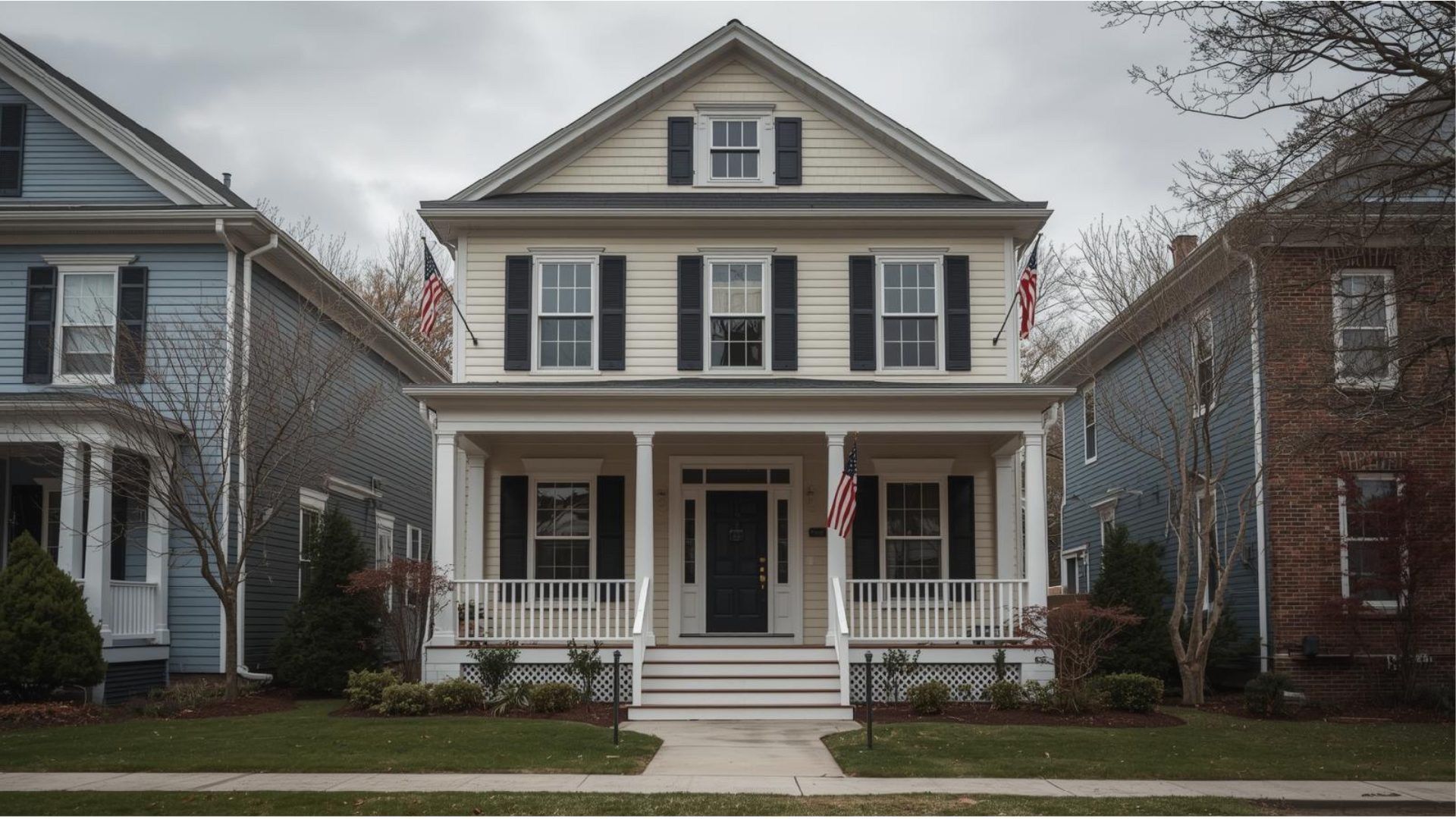
    For many veterans and service members, owning a home is a major life goal but rising prices, tight lending standards, and high down payments can make it feel out of reach. The VA home loan program exists to change that. It’s one of the most powerful benefits you earn through military service, and it can save you tens of thousands of dollars over the life of a mortgage.

    At its core, a VA home loan is a mortgage backed by the U.S. Department of Veterans Affairs. The VA doesn’t lend the money directly. Instead, it guarantees a portion of the loan, which reduces the risk for lenders. Because of that guarantee, lenders can offer more favorable terms to eligible veterans, service members, and some surviving spouses. Those benefits typically include no required down payment (in many cases), competitive interest rates, and no private mortgage insurance (PMI).

    Eligibility for a VA home loan is based on your length and type of service. Generally, you may qualify if you served on active duty or in the Guard or Reserve for a minimum period, received an honorable or qualifying discharge, and meet specific service-era requirements. The first step is to obtain your Certificate of Eligibility (COE), which confirms to lenders that you qualify for the program. You can request your COE online through VA.gov, by mail, or often have your lender pull it directly during pre-approval.

    One of the biggest advantages of VA loans is the potential for 0% down. While you’ll still need to cover closing costs and demonstrate stable income and credit, skipping a large down payment can make homeownership possible sooner than you might think. In addition, VA loans do not require PMI, which conventional borrowers often pay monthly if they put down less than 20%. Eliminating PMI can significantly reduce your monthly mortgage payment and free up room in your budget.

    There is a cost called the VA funding fee, which helps keep the program running. The amount depends on factors like your down payment (if any), whether it’s your first or subsequent use of the benefit, and your branch of service. Some veterans such as those with qualifying service-connected disabilities are exempt from paying the funding fee altogether. You can pay this fee up front at closing or roll it into your loan amount.

    VA loans are flexible in how they can be used. You can purchase a single-family home, certain condos, or a multi-unit property (up to four units) as long as you plan to live in one of the units as your primary residence. You can also use a VA loan to build a home, refinance an existing mortgage, or make certain energy-efficient improvements. The program is not designed for vacation homes or pure investment properties, but it can support long-term wealth building through owner-occupied real estate.

    Working with a lender who understands VA loans is crucial. Not all banks handle these loans the same way, and experience matters. A knowledgeable loan officer can explain your options, help you compare fixed versus adjustable rates, and walk you through underwriting and closing. You should also consider speaking with a housing counselor or financial advisor to make sure you’re buying within a comfortable budget and factoring in property taxes, insurance, utilities, and maintenance.

    Your time in uniform earned you more than a paycheck it earned you opportunities. The VA home loan benefit is one of the most powerful tools you have to build stability for yourself and your family. With the right guidance and a clear plan, you can turn your service into a set of keys and a place to truly call home.

  • VA Housing Assistance – Home Loan Types

    VA Housing Assistance – Home Loan Types

    Why VA Home Loans Matter

    VA home loans are one of the most valuable benefits available to veterans, service members, and eligible surviving spouses. They make it easier to buy, build, repair, or refinance a home—often with no down payment and competitive interest rates.

    Main Types of VA Home Loans

    VA Purchase Loan

    Helps veterans buy a home at a competitive interest rate.

    • No down payment required (in most cases)
    • No private mortgage insurance (PMI)
    • Can be used for single-family homes, condos, manufactured homes, or new construction

    VA Cash-Out Refinance Loan

    Allows veterans to refinance an existing mortgage and take out cash from home equity.

    • Can also be used to refinance a non-VA loan into a VA-backed loan
    • Useful for debt consolidation, home improvements, or major expenses

    VA Interest Rate Reduction Refinance Loan (IRRRL)

    Also known as a ‘Streamline Refinance.’

    • Helps veterans with existing VA loans lower their interest rate
    • Switch from adjustable to fixed rates
    • Requires minimal paperwork and often no appraisal

    Native American Direct Loan (NADL) Program

    Available for eligible Native American veterans.

    • Can be used to buy, build, or improve a home on federal trust land
    • Offers reduced interest rates and no down payment

    Adapted Housing Grants (Special Programs)

    Not technically loans, but grants that help veterans with service-connected disabilities.

    • Can be used to build or adapt a home for independent living
    • Includes the Specially Adapted Housing (SAH) grant and Special Housing Adaptation (SHA) grant

    Who Is Eligible for VA Loans?

    Eligibility depends on service history and duty status. Veterans, active duty members, National Guard/Reserves, and some surviving spouses may qualify. A Certificate of Eligibility (COE) is required to apply.

    Benefits of VA-Backed Loans

    1. No down payment required in most cases
    2. Competitive interest rates
    3. No PMI (saves money monthly)
    4. Flexible credit requirements
    5. Closing costs may be lower

    Ready to explore your VA home loan options? Call AI Joe or Call AI Joe now for expert guidance.

    Conclusion

    VA home loans give veterans a powerful path to homeownership, refinancing, or adapting a home to meet their needs. By understanding each loan type—purchase, cash-out, IRRRL, NADL, and housing grants—veterans can choose the right program for their situation.