Category: Benefits Update

  • Applications Now Open for 2026 Regional Veterans Day Observances

    Applications Now Open for 2026 Regional Veterans Day Observances

    Organizations across the country now have the opportunity to play a leading role in honoring Veterans.

    Applications are officially open for communities interested in hosting a 2026 Regional Veterans Day Observance — a meaningful event that recognizes the service and sacrifice of America’s Veterans.

    These observances are coordinated annually to bring together local communities, Veterans, service organizations, and leaders in a unified tribute.

    What Is a Regional Veterans Day Observance?

    Each year, select communities are designated as regional hosts for Veterans Day ceremonies. These events often include:

    • Formal recognition ceremonies

    • Guest speakers and Veteran honorees

    • Educational outreach activities

    • Public engagement initiatives

    The goal is to create a respectful, inclusive space where communities can express gratitude and raise awareness about Veteran issues.

    Who Can Apply?

    Eligible applicants typically include:

    • Veteran service organizations

    • Nonprofits and community groups

    • Local government entities

    • Educational institutions

    Applicants must demonstrate the ability to coordinate a well-organized event that honors Veterans while maintaining appropriate ceremony standards.

    Why These Observances Matter

    Veterans Day is more than a federal holiday — it’s a moment to strengthen the bond between Veterans and their communities.

    Events like these:

    • Increase public awareness of Veteran programs

    • Promote unity and appreciation

    • Provide connection opportunities for Veterans

    For many Veterans, especially those transitioning to civilian life, community engagement plays a critical role in overall well-being. Programs that foster connection — including local events and support services — can make a lasting difference.

    If you’re interested in additional Veteran engagement opportunities, you can also explore our Veteran Community Resources page for ongoing programs and initiatives.

    How to Apply

    Organizations interested in hosting a 2026 Regional Veterans Day Observance should review application guidelines and submit required documentation before the official deadline.

    Early preparation is recommended to ensure planning time, coordination with stakeholders, and community outreach.

    Strengthening the Veteran Community

    Honoring Veterans publicly reinforces the nation’s commitment to those who served. Whether through formal observances, educational outreach, or support programs, community involvement remains a powerful way to recognize sacrifice.

    Applications for 2026 are now open — giving communities the chance to lead with gratitude and respect.


  • New VA Disability Rating Rule Sparks Debate Over Medication and Benefits

    New VA Disability Rating Rule Sparks Debate Over Medication and Benefits

    A recent change proposed by the Department of Veterans Affairs has triggered strong reactions across the Veteran community. The new policy focuses on how disability ratings should be evaluated when a Veteran’s symptoms are managed with medication — and many advocacy groups are raising concerns about what this could mean for future compensation decisions.

    While the VA says the rule was designed to clarify existing standards, critics argue it could unintentionally reduce disability ratings for Veterans who follow prescribed treatment plans.

    What the New VA Rule Is About

    The rule, titled “Evaluative Rating: Impact of Medication,” directs VA examiners to consider a Veteran’s actual level of functional impairment while using medication or treatment when assigning a disability rating. 

    Previously, some court rulings led to situations where examiners attempted to estimate how severe a condition might be without treatment. The VA argued that these hypothetical evaluations were difficult to measure and could slow down claims processing. 

    Under the updated guidance, disability ratings would focus on how a Veteran functions in everyday life with prescribed care rather than imagining untreated symptoms.

    Why Veterans Groups Are Concerned

    Despite the VA’s explanation, many Veteran organizations and advocates expressed alarm soon after the rule was announced. Groups such as the Veterans of Foreign Wars and Disabled American Veterans warned that the policy could create unintended consequences.

    Their main concern is simple: if medication reduces visible symptoms, a Veteran’s disability rating could appear lower — even if the underlying condition remains serious. 

    Advocates argue that this approach could discourage some Veterans from seeking treatment if they fear their benefits might be affected. Critics also questioned the speed of the rule’s rollout and whether the Veteran community had enough opportunity to provide feedback before implementation.

    VA Response and Temporary Pause

    After widespread backlash, the VA announced it would halt enforcement of the rule while continuing to collect public input. Officials stated that many Veterans interpreted the policy as harmful, and the department wanted to address those concerns before moving forward. 

    The VA has maintained that the goal was to ensure consistent evaluations and avoid hypothetical assessments that may not reflect real-world conditions. However, the pause highlights how strongly the Veteran community reacted to the proposed changes.

    How the Rule Could Affect Disability Ratings

    If implemented in the future, the rule could influence how medical examinations are conducted during new claims, appeals, or re-evaluations.

    For example:

    • Ratings may reflect how symptoms appear while medication is working.

    • Examiners may focus more on daily functioning rather than worst-case scenarios.

    • Some Veterans worry this could lead to lower ratings if treatments are effective.

    VA officials have said the rule would not automatically change current ratings, but advocacy groups remain cautious about long-term impacts.

    What Veterans Should Know Right Now

    At this stage, enforcement of the rule has been paused, and the VA continues reviewing feedback from Veterans, lawmakers, and advocacy organizations. That means no immediate changes are taking effect while discussions continue.

    Veterans who receive disability compensation should stay informed but avoid assuming their benefits will change overnight. Policy updates often go through multiple revisions before becoming permanent.

    Keeping medical records up to date and understanding how disability evaluations work remains one of the best ways to stay prepared for future changes.

    The Bigger Conversation Around Disability Ratings

    The debate surrounding this rule reflects a broader discussion about how disability benefits should be measured. Some believe ratings should reflect real-life functioning, while others argue that underlying service-connected conditions deserve consistent recognition regardless of treatment outcomes.

    As the VA gathers public feedback, the final direction of the policy may evolve. For many Veterans, the discussion highlights the importance of transparency and clear communication whenever changes to disability rules are proposed.

    Final Thoughts

    The proposed medication-based disability rating rule has sparked one of the most talked-about VA policy debates in recent months. While the agency says it aims to improve consistency, Veteran groups continue to push for safeguards that protect earned benefits.

    For now, the rule remains under review — and Veterans are encouraged to stay informed as the conversation develops.

  • VA Disability Rates 2026: Updated Compensation Charts & Monthly Payments

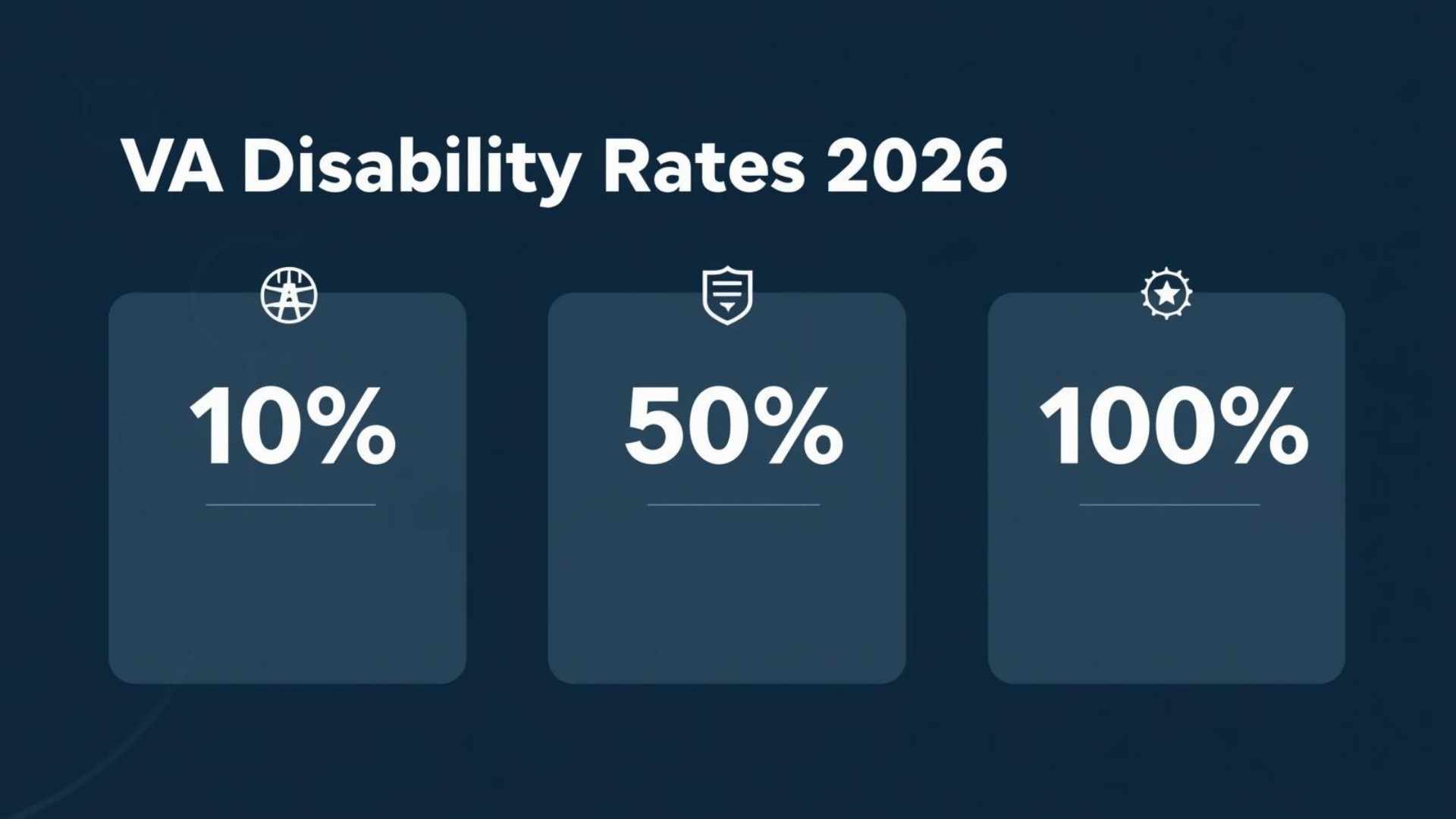
    VA Disability Rates 2026: Updated Compensation Charts & Monthly Payments

    Each year, many Veterans check whether their disability compensation will change — and in 2026, updated VA disability rates continue to reflect adjustments tied to inflation and economic conditions. Understanding how these rates work can help Veterans plan financially and better understand what their disability percentage really means.

    While compensation tables may look complicated at first glance, the system follows a structured process based on disability ratings, dependents, and cost-of-living adjustments.

    What Changed in VA Disability Rates for 2026?

    For 2026, VA disability payments increased due to a cost-of-living adjustment (COLA). This yearly adjustment helps ensure that benefits keep pace with rising living expenses. The updated rates took effect at the end of 2025 and began appearing in Veterans’ payments starting January 2026. 

    Across all disability levels, compensation amounts saw a modest rise — around a few dollars for lower ratings and over one hundred dollars monthly for higher ratings. 

    For example, a Veteran with a 100% disability rating without dependents saw an increase of roughly $107 per month compared to the previous year. 

    These updates happen automatically, meaning Veterans do not need to reapply or submit additional paperwork to receive the adjusted payment.

    How VA Disability Compensation Is Calculated

    VA disability compensation isn’t a single flat payment. Instead, the amount depends on several factors:

    • Your combined disability rating (from 0% to 100%)

    • The severity of service-connected conditions

    • Whether you have a spouse, children, or dependent parents

    Higher disability ratings generally lead to higher monthly payments because they reflect a greater impact on daily life and earning ability. 

    Even small percentage changes can significantly affect the final payment amount, especially when dependents are included in the calculation.

    Why the Annual Increase Matters

    Although some years bring larger adjustments than others, the yearly rate update plays an important role in maintaining long-term financial stability for Veterans. A COLA increase helps benefits maintain their purchasing power as costs for housing, healthcare, and everyday essentials change over time.

    For 2026, the adjustment was moderate compared to earlier years, but it still ensures compensation remains aligned with broader economic trends. 

    This consistency is especially important for Veterans relying on disability compensation as a primary or supplemental source of income.

    Understanding Payment Differences by Rating

    Many Veterans are surprised to learn how compensation scales across different ratings. Even a small jump — such as moving from 60% to 70% — can result in a noticeable increase in monthly payments.

    For example:

    • A Veteran at 70% disability saw an increase of roughly $49 per month compared to 2025 rates. 

    • Veterans rated 10% or 20% received smaller but still meaningful adjustments. 

    Because the VA combines multiple conditions using a unique formula, reviewing how ratings are calculated can help Veterans better understand where they stand.

    What Veterans Should Watch in 2026

    Even though the updated compensation rates are already in effect, Veterans should continue monitoring their disability status and any VA notifications. Changes to medical conditions, new claims, or dependency updates can affect payment amounts throughout the year.

    Keeping medical documentation organized and understanding how ratings work can help prevent confusion when benefits change.

    For those unsure about their current rating or how it compares to updated payment tables, reviewing official compensation charts or using estimation tools can provide helpful clarity.

    Final Thoughts

    The 2026 VA disability rates reflect ongoing efforts to keep Veteran compensation aligned with economic realities while maintaining a consistent structure based on disability severity and family status. While the yearly adjustment may seem small on paper, it plays an important role in ensuring long-term stability.

    By understanding how ratings, COLA increases, and dependency factors influence payments, Veterans can approach their benefits with greater confidence and awareness.

  • What Is the VA 5 Year Rule?

    What Is the VA 5 Year Rule?

    For many Veterans receiving disability compensation, one common concern is whether their rating can be reduced over time. The VA 5 year rule is one of several protections designed to help provide stability — but it’s often misunderstood.

    Simply put, this rule limits when and how the Department of Veterans Affairs can lower a disability rating after it has remained in place for five years. Understanding how it works can help Veterans feel more confident about their benefits and know what to expect moving forward.

    Understanding the VA 5 Year Rule

    The VA 5 year rule applies when a disability rating has been continuously in effect for at least five years. After that point, the VA must meet a higher standard before reducing the rating. This doesn’t mean a reduction is impossible, but it does mean the VA must show clear and sustained improvement in the Veteran’s condition.

    Before any change can happen, the VA typically reviews medical records, examinations, and treatment history. A single improvement or short-term change is usually not enough. Instead, the VA looks for consistent evidence that the condition has genuinely improved under ordinary life conditions.

    This added layer of review helps prevent sudden rating reductions based on temporary improvements or incomplete medical information.

    Why the Rule Exists

    Disability ratings are meant to reflect long-term health conditions that affect a Veteran’s daily life. Many injuries or illnesses fluctuate over time, and symptoms can vary from month to month.

    The 5 year rule helps protect Veterans from frequent reassessments or unexpected changes that could create financial instability. By requiring stronger evidence before lowering a rating, the VA aims to balance fair evaluations with consistency for those receiving benefits.

    For Veterans, this means that once a rating has remained stable for five years, there is generally more security built into the process.

    When Can the VA Reduce a Rating?

    Even with the 5 year rule in place, reductions can still happen in certain situations. The VA may consider lowering a rating if medical examinations show sustained improvement that is likely to continue in everyday conditions — not just during a single appointment.

    For example, if long-term treatment leads to significant improvement and medical records consistently reflect that progress, the VA may review whether the current rating still matches the level of disability.

    However, Veterans are usually notified before any reduction takes effect. This gives them the opportunity to respond, submit additional medical evidence, or request a hearing if needed.

    How the VA 5 Year Rule Fits With Other Protections

    The 5 year rule is just one part of a broader system designed to protect disability ratings. Other guidelines, such as the 10 year and 20 year rules, provide additional layers of protection depending on how long a Veteran has held a rating.

    Together, these rules help create a structured framework that balances ongoing evaluations with long-term stability. Knowing where your rating stands within these timelines can make it easier to understand your rights and responsibilities.

    Why Understanding the Rule Matters

    Many Veterans worry about unexpected benefit changes, especially if they receive a notice for a re-evaluation exam. Learning how the VA 5 year rule works can ease some of that uncertainty.

    Instead of assuming that every review means a reduction is coming, Veterans can focus on understanding the process and staying informed about their medical records. Keeping documentation organized and attending scheduled examinations can also help ensure that the VA has a complete picture of a Veteran’s condition.

    Final Thoughts

    The VA 5 year rule is designed to provide a level of protection for Veterans whose disability ratings have remained consistent over time. While it doesn’t completely prevent reductions, it does require the VA to demonstrate clear, sustained improvement before making changes.

    For Veterans navigating disability benefits, understanding this rule can help remove confusion and provide reassurance about how the system works. Staying informed is one of the most effective ways to feel confident in your benefits and prepared for any future evaluations.


  • VA Invests $4.8 Billion to Modernize Health Care Facilities — What Veterans Should Know

    VA Invests $4.8 Billion to Modernize Health Care Facilities — What Veterans Should Know

    Across the country, many Veterans rely on VA medical centers not just for treatment, but for long-term health support, rehabilitation, and specialized care. In 2026, the Department of Veterans Affairs announced one of its largest infrastructure investments yet — a move designed to improve safety, modernize facilities, and strengthen health services nationwide.

    The initiative includes nearly $4.8 billion dedicated to upgrading health care infrastructure, marking the largest single-year investment through the VA’s Non-Recurring Maintenance program. These funds will go toward repairing aging buildings, replacing outdated equipment, and improving medical spaces so Veterans receive care in environments that match modern clinical standards.

    Why Infrastructure Matters More Than Most People Think

    For many Veterans, a hospital visit is more than a routine appointment — it’s a connection to trusted providers and specialized services tailored to military-related health needs. Over time, however, facilities require upgrades to keep up with medical advancements and patient demand.

    The VA’s modernization effort focuses on projects that are not part of routine maintenance. Instead, the program supports major repairs and upgrades that help facilities remain operational and ready for future health care challenges. 

    That could mean renovating surgical spaces, improving accessibility features, upgrading heating and electrical systems, or modernizing patient areas to make visits more comfortable and efficient.

    Supporting a Growing Veteran Population

    As the needs of Veterans evolve, so must the spaces where care is delivered. Many VA medical centers were built decades ago, and while they continue to provide vital services, new technology and treatment approaches require updated environments.

    The latest investment signals a broader effort to strengthen the Veterans Health Administration’s long-term readiness. By modernizing infrastructure today, the VA hopes to reduce disruptions tomorrow — ensuring that facilities remain reliable even as demand increases.

    This approach is especially important as new programs expand access to care. For example, the VA recently increased support for Veterans receiving in-home and community-based services, helping those with complex medical conditions remain in their homes while receiving high-quality care. 

    Infrastructure improvements at medical centers help complement these programs by ensuring backup services and advanced treatment options remain available when needed.

    A Focus on Safety and Quality

    Beyond aesthetics, many modernization projects are designed to enhance safety. Updated equipment and facility repairs can reduce delays, improve infection control, and create smoother workflows for medical staff.

    These improvements also reflect feedback from Veterans themselves. Over the years, patient surveys and internal assessments have highlighted the importance of modern spaces that feel welcoming and efficient. Investing in infrastructure allows the VA to address these concerns directly — not just through policy changes but through physical improvements that Veterans can see and experience.

    Mental Health and Community Care Remain Priorities

    Infrastructure upgrades don’t exist in isolation. They are part of a broader effort to strengthen the overall Veteran care system, including mental health services and suicide prevention initiatives.

    Recent reports show that suicide prevention continues to be a major clinical focus, with the VA analyzing data trends to improve outreach and support strategies for at-risk Veterans. 

    Improved facilities — from counseling rooms to community support spaces — help create environments where Veterans feel more comfortable seeking help.

    What Veterans Can Expect Next

    While large investments take time to implement, many projects will begin rolling out through 2026 and beyond. Veterans may notice renovations, equipment upgrades, or expanded service areas at their local VA medical centers.

    The goal is not just to repair buildings, but to create a health care system that feels modern, responsive, and prepared for the future.

    For Veterans and their families, this investment represents more than construction — it reflects a commitment to improving the quality of care and ensuring that health services evolve alongside the people they serve.

    The Bigger Picture

    Health care is constantly changing, and the VA’s decision to invest billions into modernization highlights a long-term vision: stronger facilities, better patient experiences, and improved clinical outcomes.

    As new programs expand access to care at home and within communities, updated infrastructure will play a key role in supporting those services. Together, these efforts signal a continued focus on innovation, accessibility, and the well-being of Veterans nationwide.


     

  • Riding for a Cause: How a Veteran Motorcycle Run Is Preventing Suicide

    Riding for a Cause: How a Veteran Motorcycle Run Is Preventing Suicide

    It was a brisk morning in early September when over 60 motorcycles roared to life in Albuquerque, New Mexico — a powerful rumble that echoed far beyond engine noise. This wasn’t just another ride; it was the start of the annual “Be the One” New Mexico S.A.V.E. Run, a Veteran-led effort to raise awareness, build community, and save lives. 

    For twelve consecutive years, the New Mexico American Legion Riders (ALR) have organized this ride not as a thrill-seeking event but as a mission with meaning. Participants roll out from the Raymond G. Murphy Department of Veterans Affairs Medical Center and journey nearly 190 miles to the Vietnam Veterans Memorial in Angel Fire. 

    At the heart of this mission is the idea that connection and awareness can save lives.

    What Does S.A.V.E. Stand For?

    The acronym S.A.V.E. isn’t random — it’s a deliberate framework for suicide prevention:

    • S: Signs & Symptoms

      Watch for shifts in behavior — isolation, mood swings, or increased substance use.

    • A: Ask the Question

      Sometimes the most important step is simply asking, “Are you thinking of harming yourself?”

    • V: Validate Feelings

      LISTEN without judgment, reinforce that struggles matter.

    • E: Encourage Connection

      Help the person find resources and community. 

    This framework gives participants and supporters a clear, memorable tool in their mental health toolkit.

    A Ride With Deeper Meaning

    For many involved, the event is personal.

    One rider, Jesus “Zap” Zapata, carries the memories of two friends lost to suicide — deeply shaping his commitment to this cause. “When we ride, we’re riding for a purpose that’s bigger than us,” Zapata said. 

    But the ride isn’t just symbolic. Each stop along the way — and especially at the end with the Vietnam Veterans Memorial — becomes a moment of reflection, conversation, and shared resolve. Veterans, families, riders, and local community members gather not just to honor sacrifice but to actively foster connection and support.

    Community Support and S.A.V.E. Training

    S.A.V.E. proactively teaches skills that go beyond the ride, offering training that equips people to recognize when someone might be in crisis and how to respond thoughtfully.

    Christina Camacho, a behavioral health social worker and liaison for the S.A.V.E. Ride, highlights how these connections matter: “We empower people to recognize warning signs and connect Veterans to life-saving resources,” she said. 

    Their efforts have real impact — the program supports hundreds of Veterans through suicide prevention rosters and community follow-ups, showing the far-reaching value of putting connection before isolation.

    A Call to Action

    The message from the American Legion Riders is clear: Don’t wait to be asked before you reach out — be there for someone. Whether it’s a casual check-in, a cup of coffee, or sharing training on the S.A.V.E. framework, every connection can make a difference.

    As participants like New Mexico ALR leaders emphasize, supporting Veterans is not a one-time event. It’s a continuous journey — one that can begin with a motorcycle ride and carry forward into everyday acts of care and presence.

    Final Thought

    If there’s one takeaway from the S.A.V.E. Run and its community support network, it’s this: awareness turns into action, and action can save lives. For Veterans and their families, one conversation — one check-in — can be the difference between despair and hope.


  • How a Simple Tool Helped Me Understand My BAH — A Veteran’s Story

    How a Simple Tool Helped Me Understand My BAH — A Veteran’s Story

    I was sitting at my kitchen table, a stack of lease agreements beside me, staring at the screen of my laptop, feeling exactly like most other Veterans do at some point — confused, uncertain, and squeezed by numbers that don’t make sense.

    It was early spring, and I was getting ready to move. New job, new city, new expectations — and one thing gnawing at me more than anything: housing costs. How much could I realistically afford? How much would my Basic Allowance for Housing (BAH) actually cover? I had heard about BAH in trainings and briefings, but never truly understood how it worked in real life.

    I tried reading government pages, skimmed VA PDFs, and even asked a few friends. But nothing clicked — until I found the VA.org BAH Calculator.

    That day began a shift — not dramatic fireworks or “aha” moment, but the kind of quiet clarity that only comes when something finally makes sense.

    What BAH Is & Why It Matters

    For Veterans and service members, BAH is one of those acronyms that floats around in briefings and benefit handbooks. You know it has to do with housing, but how much? Does location matter? What about pay grade and dependents?

    Basic Allowance for Housing (BAH) is designed to help cover housing costs when you are not living in government quarters. The tricky part is that BAH isn’t one number — it changes based on:

    • Your location (ZIP code)

    • Your pay grade

    • Whether you have dependents

    That’s a lot of variables and, if you’re like me, that starts to feel like algebra without a calculator.

    Finding the VA.org BAH Calculator

    One evening, after rereading a rental agreement for the third time, I typed “how much housing allowance will I get as a Veteran” into a search bar. The first few results were confusing or outdated. Then I clicked a link — reliable, clear, labeled VA.org BAH Calculator.

    No login. No forms to fill out. No sales pitch. Just a tool with a few boxes:

    • ZIP code

    • Pay grade

    • Number of dependents

    I typed in my details and hit “Calculate.”

    Seeing the Numbers in Black & White

    Within seconds, the calculator spit out a number — not some rough guess, not “about this much,” but a clear BAH amount tied to my exact situation.

    I remember sitting back and exhaling.

    Suddenly, it wasn’t all guesswork anymore. I could see:

    • What my monthly housing allowance would be

    • How it compared to the apartments I was considering

    • Whether I needed a roommate or could go solo

    • What neighborhoods were actually realistic for my budget

    For the first time since planning this move, I felt in control.

    How I Used My BAH Estimate to Plan

    Armed with the calculator’s result, I began to make concrete decisions:

    • I narrowed my apartment search to a specific price range

    • I budgeted confidently for utilities and groceries

    • I scheduled viewings in areas close to work and within BAH coverage

    • I avoided rental options that would stretch me too thin

    Instead of guessing and hoping, I was planning with data.

    Why This Tool Helps Other Veterans Too

    The VA.org BAH Calculator isn’t just useful for someone moving to a new city — it’s helpful for:

    Budget planning

    Veterans can project income versus housing costs — before signing a lease.

    Comparing locations

    Different ZIP codes = different housing allowances. Now you can compare with real numbers.

    Family planning

    Dependents affect BAH — and long-term housing decisions.

    Career choices

    Whether relocating for a job or considering remote work, housing costs become a clear factor.

    This kind of clarity changes how you plan. It removes the vague stress of “maybe” and replaces it with the confidence of “I know.”

    Final Thoughts

    I never thought a simple online tool could make such a difference. But when you’re planning your home — your life — after service, having accurate information matters.

    The VA.org BAH Calculator didn’t just give me a number. It gave me confidence.

    It’s not glamorous. It’s not flashy. But it’s practical, clear, and Veteran-centered — and that’s exactly what helping Veterans looks like.

    If you’re planning housing, relocation, or just trying to understand your benefits more clearly — start with your BAH estimate. It may just be the first step toward a more confident plan.


  • VA Disability Rating Estimator for Veterans: How It Works and Why It Matters

    VA Disability Rating Estimator for Veterans: How It Works and Why It Matters

    Understanding your VA disability rating can feel overwhelming. Veterans often receive their rating decision letters and wonder “How did they arrive at this number?” or “Am I missing something that could increase my rating?” This is where the VA Disability Rating Estimator becomes a useful and empowering tool. The VA Disability Rating Estimator is designed to help Veterans get a clearer sense of how disability ratings may be calculated before they file a claim or appeal. It’s not an official VA decision, but it gives you a way to estimate how individual conditions and combinations of conditions might be rated. Let’s explore how this tool works, what it can and cannot do, and why it can be so helpful as part of your benefits planning.

    Why Disability Ratings Matter

    A VA disability rating represents the severity of a Veteran’s service-connected condition. Ratings determine:

    • Monthly compensation amounts
    • Eligibility for additional VA benefits
    • Priority considerations for certain programs

    Even small differences in ratings can significantly affect monthly compensation, health care support, and eligibility for other benefits. That’s why understanding how the rating is calculated matters.

    What Is the VA Disability Rating Estimator?

    The VA Disability Rating Estimator is an online tool that allows Veterans to enter information about their medical conditions and receive an estimated disability rating based on VA rules and formulas. This estimator:

    • Lets you input multiple service-connected conditions
    • Applies VA rating criteria to calculate likely combined ratings
    • Helps visualize how combined conditions may interact
    • Presents an estimate — not an official VA rating

    The tool is designed to give Veterans clarity and insight, especially before filing a claim or pursuing an appeal.

    How the Estimator Works

    When you use the VA Disability Rating Estimator:

    1. You list service-connected conditions you want to evaluate.
    2. For each condition, you choose associated symptoms or severity indicators.
    3. The tool applies the VA’s standard rating formulas — including the “combined ratings” method — to generate an estimate.

    The VA does not simply add percentages together. Instead, it uses a combined rating table that accounts for how multiple disabilities are weighted. This estimator approximates that process so you can see a realistic estimate.

    What the Tool Can and Cannot Do

    It’s important to understand both the value and the limits of the estimator: What it can do

    • Provide a reasoned estimate of disability ratings
    • Show how multiple conditions may combine
    • Help identify potential missing symptoms to document

    What it cannot do

    • Replace the official VA rating decision
    • Guarantee any specific outcome
    • Submit a claim or appeal on your behalf
    • Account for all individual medical complexity

    Think of this tool as a preparation aid, not a decision maker.

    Why Using the Estimator First Helps

    Veterans who use the estimator before filing a claim often feel:

    • More informed about what to expect
    • Better prepared to describe their conditions clearly
    • Less surprised by initial rating decisions

    In some cases, using the estimator can help you spot conditions or symptoms you may want to document more thoroughly before submitting your claim. That preparation can reduce back-and-forth with VA and help you build a stronger case from the start.

    A Veteran’s Perspective: Planning Ahead

    Consider this real-world example (anonymized for privacy): Veteran A had two service-connected conditions: back pain and tinnitus. After using the estimator, he realized his combination of symptoms could yield a higher combined rating than he initially thought. He then added more detailed medical evidence to support daily limitations and functional impact. When he filed his claim, his initial rating was closer to his expectations — saving months of rework. This shows that even if the tool doesn’t guarantee a specific rating, it helps guide Veterans toward better preparation.

    Tips for Using the VA Disability Rating Estimator

    • List all relevant conditions — even minor ones matter in combination.
    • Be honest and specific about symptoms and limitations.
    • Keep medical records handy when conducting your estimate.
    • Use the estimate as a discussion guide with your doctor or VA representative.

    Remember, the clearer the evidence and description you provide, the more accurate your eventual rating is likely to be.

    What to Do After You Get Your Estimate

    Once you’ve used the estimator:

    • Compare it with your actual rating decision (if you already filed) 
    • Use it as a roadmap when preparing or updating claims 
    • Discuss findings with your VA doctor or representative 

    If there’s a gap between your actual rating and the estimate, you may consider follow-up actions such as supplemental claims or appeals — but always with documented evidence.

    Final Thoughts

    The VA Disability Rating Estimator for Veterans is a powerful insight tool that helps demystify how ratings might be calculated before you file a claim. It’s not a replacement for the official VA process, but it gives you knowledge and confidence before you take action. Preparation is empowering — and this estimator is one tool that can help you better understand your situation, set realistic expectations, and approach your VA disability claim with clarity. Use the tool, gather evidence, and plan your next steps with confidence.  


  • VA Form 10 Explained: How Veterans Enroll in VA Health Care

    VA Form 10 Explained: How Veterans Enroll in VA Health Care

    For many Veterans, accessing VA health care begins with a single but important step — enrollment. While VA medical benefits are widely discussed, the process of getting started can feel unclear, especially for Veterans who have never applied before or who assume they are not eligible. VA Form 10, officially known as VA Form 10-10EZ, is the application used to enroll in VA health care. Understanding what this form does, who should complete it, and what happens afterward can help Veterans make informed decisions about their care.

    What Is VA Form 10?

    VA Form 10-10EZ is the official application Veterans use to request enrollment in the VA health care system. Submitting this form allows the Department of Veterans Affairs to review a Veteran’s service history, financial details, and eligibility factors to determine access to VA medical benefits. Completing the form does not obligate a Veteran to use VA health care services. Instead, it establishes eligibility and creates the option to access care when needed.

    Who Should Apply for VA Health Care?

    Many Veterans mistakenly believe VA health care is only for those with service-connected disabilities. In reality, eligibility extends to a broader group. Veterans may consider applying if they:

    • Served on active duty and were discharged under conditions other than dishonorable
    • Have never enrolled in VA health care before
    • Experienced changes in income, family status, or health
    • Were previously denied but believe their circumstances have changed

    Even Veterans with private insurance may still qualify for VA care, either as a primary provider or as supplemental coverage.

    What Information Does VA Form 10 Collect?

    VA Form 10 requests information that helps the VA assess eligibility and assign a priority group. This includes:

    • Military service and discharge details
    • Household income and dependents
    • Insurance coverage, if any
    • Contact and residency information

    Providing accurate and complete information is important, as errors or omissions can delay processing or affect eligibility determinations.

    How to Apply Using VA Form 10

    Veterans can submit VA Form 10-10EZ in several ways:

    • Online through the VA’s official enrollment system
    • By mail using a printed form
    • In person at a VA medical center

    Applying online is often the fastest method, but Veterans may choose whichever option feels most comfortable. Assistance is also available at VA facilities for those who need help completing the form.

    What Happens After You Apply?

    Once the application is submitted, the VA reviews the information and determines eligibility. Veterans are then placed into a VA priority group, which helps determine access to services and potential cost responsibilities such as copayments. After approval, Veterans receive confirmation of enrollment and can begin scheduling appointments at VA medical facilities. Processing times may vary depending on application volume and individual circumstances.

    Understanding Priority Groups

    VA health care operates on a priority group system, which considers factors such as:

    • Service-connected disability rating
    • Income level
    • Military awards or special service status

    Priority groups help the VA manage resources and ensure care is delivered efficiently. A Veteran’s group assignment may change if income or health status changes over time.

    Why Enrollment Matters — Even If You Don’t Need Care Now

    Some Veterans delay enrollment because they feel healthy or already have private insurance. However, enrolling early can be beneficial. Once enrolled, Veterans can access care more quickly if health needs arise and avoid delays caused by starting the process later. Enrollment also establishes a relationship with the VA health care system, making it easier to coordinate care in the future.

    Final Thoughts

    VA Form 10 is more than just paperwork — it is the gateway to VA health care benefits. By understanding how the form works and who should apply, Veterans can make informed decisions about their health and well-being. Enrollment does not require immediate use of services, but it creates options and peace of mind. For Veterans considering VA health care, completing VA Form 10 is a practical first step.


  • Veteran Family Member Programs: Health Care & Support Options

    Veteran Family Member Programs: Health Care & Support Options

    While VA benefits focus on Veterans, certain programs extend support to eligible family members. These programs recognize the sacrifices families make alongside those who serve.

    Programs for Family Members

    Key programs include:

    • CHAMPVA for eligible spouses and dependents

    • Caregiver Support Program

    • Education and survivor benefits

    Eligibility varies by program and Veteran status.

    Who May Qualify?

    Eligibility may depend on:

    • Service-connected disability rating

    • Veteran’s death due to service-connected conditions

    • Caregiver designation approval

    Final Thoughts

    Family support programs help strengthen Veteran households. Understanding eligibility ensures families receive assistance when needed.