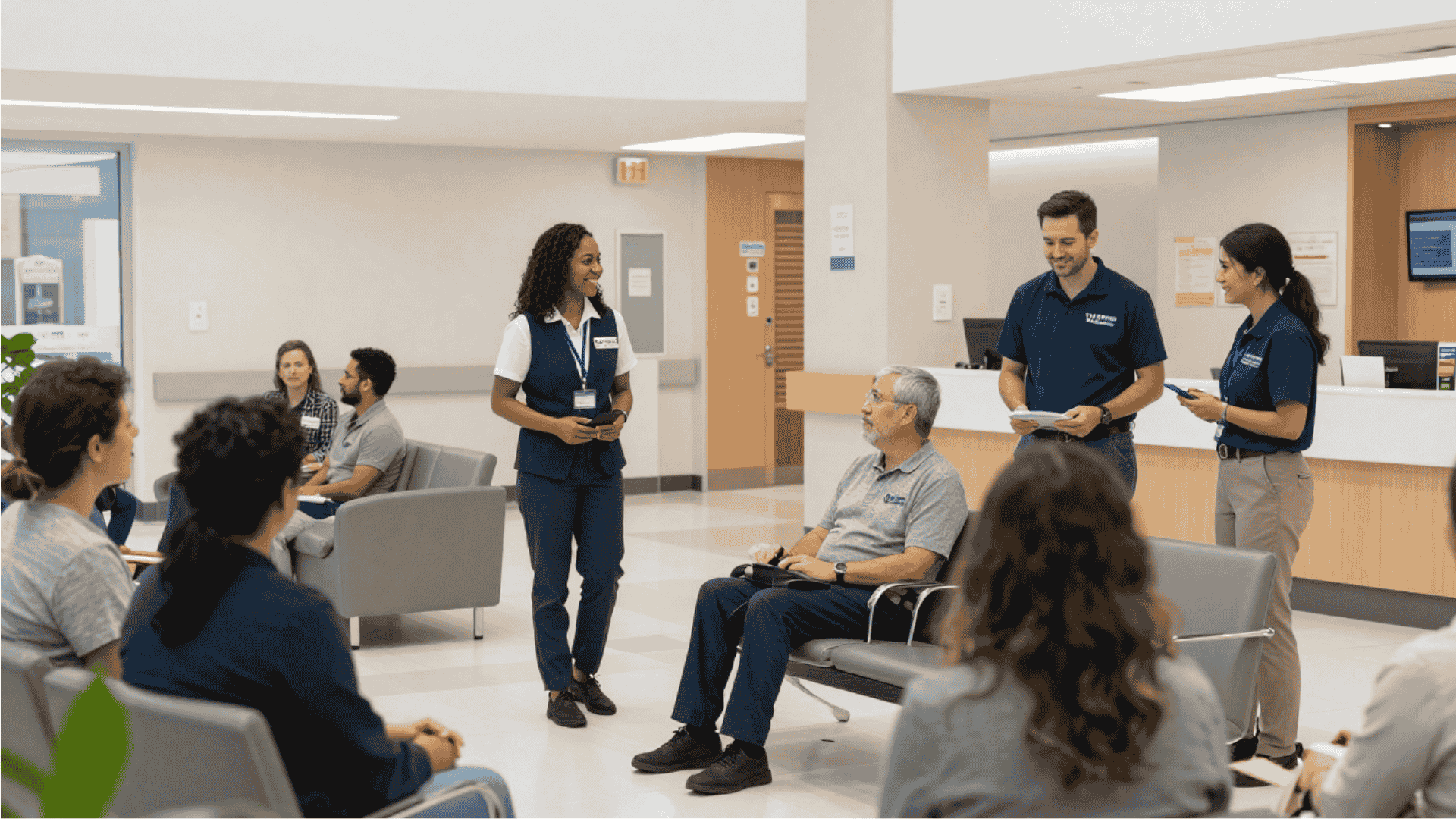
Modernizing health care infrastructure is a challenge for any large system — but when the stakes involve the well-being of millions of Veterans, it becomes a national priority. In late January 2026, the Department of Veterans Affairs announced a historic investment of nearly $4.8 billion aimed at upgrading medical facilities, modernizing technology, and improving Veteran health care experiences across the country.
This unprecedented single-year spend reflects a renewed focus on quality, safety, and future readiness — not just routine maintenance.
What the Investment Means
The bulk of the funding comes through the VA’s Non-Recurring Maintenance (NRM) program, which tackles major facility upgrades that go beyond everyday repairs. Key priorities include:
-
Repairing and modernizing aging medical infrastructure
-
Updating electrical systems, elevators, and HVAC
-
Preparing facilities for future Electronic Health Record modernization
-
Replacing outdated infrastructure systems
This kind of capital investment affects both frontline clinical spaces and back-end systems that support care delivery.
Why It Matters for Veterans
Veterans seeking care often travel long distances, navigate crowded clinics, or adapt to outdated systems. These infrastructure upgrades aim to reduce friction in those experiences by ensuring clinics and hospitals remain safe, accessible, and equipped for modern practice.
With nearly $3 billion earmarked for core repairs and renovations, aging buildings will get much-needed upgrades — a development that can reduce patient wait times, provide better space for sensitive procedures, and improve accessibility for patients with mobility challenges.
The investment also includes major upgrades to electronic systems like health records, which can streamline clinical workflows and reduce administrative friction for doctors and nurses — meaning more time focused on patient care.
A Broader Vision for Veteran Health
This investment doesn’t happen in a vacuum. It aligns with wider efforts across the VA to improve Veterans’ experiences, including workforce planning, community clinic expansions, and telehealth enhancements. Together, these efforts reflect a comprehensive approach to veteran health care modernization — one that recognizes both physical infrastructure and digital systems matter.
What Veterans Can Expect
In practical terms, Veterans might see improvements such as:
-
Refreshed waiting rooms and clinic spaces
-
More reliable power and environmental systems
-
Better disability-friendly design and accessibility
-
Faster, more connected electronic health records
In future years, this could also unlock support for research initiatives and specialized care programs that were previously limited by facility constraints.
Final Reflections
Investing billions in health care infrastructure isn’t just about buildings — it’s about reaffirming commitment to quality care for those who have served. For Veterans and their families, this upgrade represents both progress and promise.
As health care demands evolve with demographic changes, this historic investment provides the foundation for safer, more reliable, and more compassionate care in the years ahead.
Leave a Reply