Tag: Veteran Health Care

  • VA Invests $4.8 Billion to Modernize Health Care Facilities — What Veterans Should Know

    VA Invests $4.8 Billion to Modernize Health Care Facilities — What Veterans Should Know

    Across the country, many Veterans rely on VA medical centers not just for treatment, but for long-term health support, rehabilitation, and specialized care. In 2026, the Department of Veterans Affairs announced one of its largest infrastructure investments yet — a move designed to improve safety, modernize facilities, and strengthen health services nationwide.

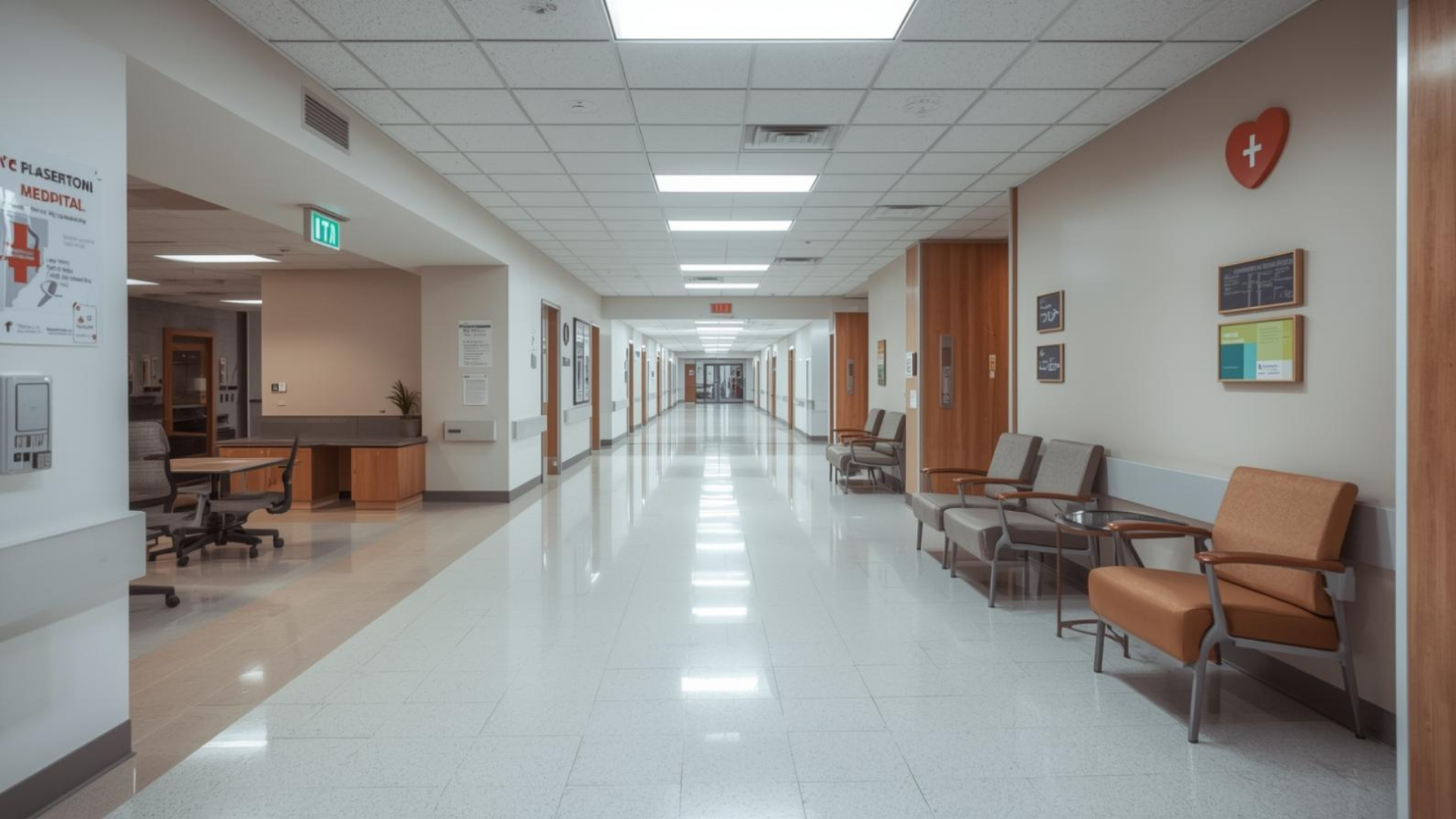
    The initiative includes nearly $4.8 billion dedicated to upgrading health care infrastructure, marking the largest single-year investment through the VA’s Non-Recurring Maintenance program. These funds will go toward repairing aging buildings, replacing outdated equipment, and improving medical spaces so Veterans receive care in environments that match modern clinical standards.

    Why Infrastructure Matters More Than Most People Think

    For many Veterans, a hospital visit is more than a routine appointment — it’s a connection to trusted providers and specialized services tailored to military-related health needs. Over time, however, facilities require upgrades to keep up with medical advancements and patient demand.

    The VA’s modernization effort focuses on projects that are not part of routine maintenance. Instead, the program supports major repairs and upgrades that help facilities remain operational and ready for future health care challenges. 

    That could mean renovating surgical spaces, improving accessibility features, upgrading heating and electrical systems, or modernizing patient areas to make visits more comfortable and efficient.

    Supporting a Growing Veteran Population

    As the needs of Veterans evolve, so must the spaces where care is delivered. Many VA medical centers were built decades ago, and while they continue to provide vital services, new technology and treatment approaches require updated environments.

    The latest investment signals a broader effort to strengthen the Veterans Health Administration’s long-term readiness. By modernizing infrastructure today, the VA hopes to reduce disruptions tomorrow — ensuring that facilities remain reliable even as demand increases.

    This approach is especially important as new programs expand access to care. For example, the VA recently increased support for Veterans receiving in-home and community-based services, helping those with complex medical conditions remain in their homes while receiving high-quality care. 

    Infrastructure improvements at medical centers help complement these programs by ensuring backup services and advanced treatment options remain available when needed.

    A Focus on Safety and Quality

    Beyond aesthetics, many modernization projects are designed to enhance safety. Updated equipment and facility repairs can reduce delays, improve infection control, and create smoother workflows for medical staff.

    These improvements also reflect feedback from Veterans themselves. Over the years, patient surveys and internal assessments have highlighted the importance of modern spaces that feel welcoming and efficient. Investing in infrastructure allows the VA to address these concerns directly — not just through policy changes but through physical improvements that Veterans can see and experience.

    Mental Health and Community Care Remain Priorities

    Infrastructure upgrades don’t exist in isolation. They are part of a broader effort to strengthen the overall Veteran care system, including mental health services and suicide prevention initiatives.

    Recent reports show that suicide prevention continues to be a major clinical focus, with the VA analyzing data trends to improve outreach and support strategies for at-risk Veterans. 

    Improved facilities — from counseling rooms to community support spaces — help create environments where Veterans feel more comfortable seeking help.

    What Veterans Can Expect Next

    While large investments take time to implement, many projects will begin rolling out through 2026 and beyond. Veterans may notice renovations, equipment upgrades, or expanded service areas at their local VA medical centers.

    The goal is not just to repair buildings, but to create a health care system that feels modern, responsive, and prepared for the future.

    For Veterans and their families, this investment represents more than construction — it reflects a commitment to improving the quality of care and ensuring that health services evolve alongside the people they serve.

    The Bigger Picture

    Health care is constantly changing, and the VA’s decision to invest billions into modernization highlights a long-term vision: stronger facilities, better patient experiences, and improved clinical outcomes.

    As new programs expand access to care at home and within communities, updated infrastructure will play a key role in supporting those services. Together, these efforts signal a continued focus on innovation, accessibility, and the well-being of Veterans nationwide.

     

  • VA Expands In-Home and Community Based Services for Veterans with Complex Conditions

    VA Expands In-Home and Community Based Services for Veterans with Complex Conditions

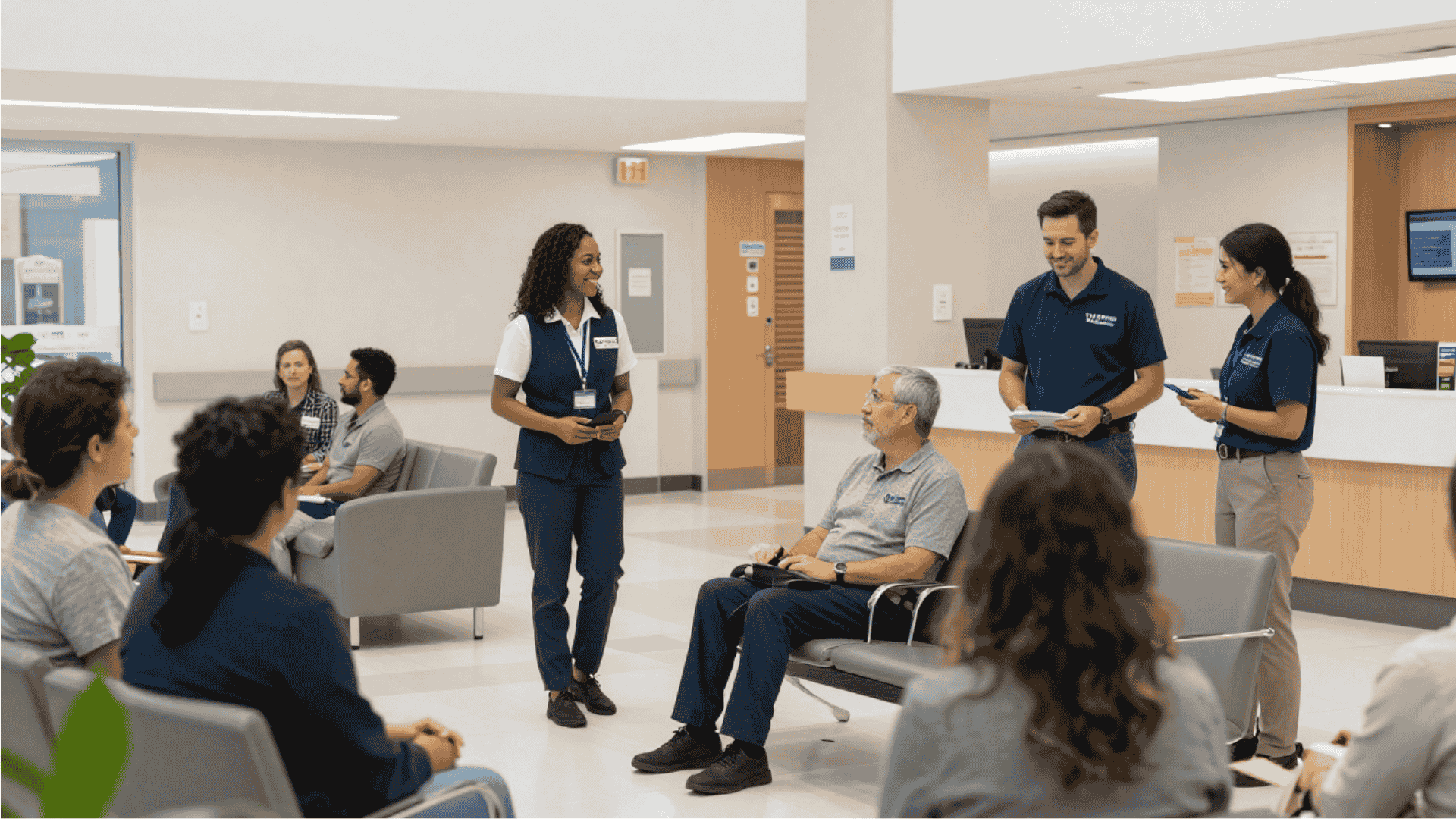
    For many Veterans living with complex health conditions — including spinal cord injuries and neurological diseases — the ability to remain at home while receiving care can be a defining factor in quality of life. In a recent update that reflects this emphasis, the Department of Veterans Affairs has announced a significant expansion of coverage for in-home and community-based health services. 

    Under the newly adjusted policy, VA’s skilled home health care program will now cover the full cost of eligible services — including home health aide care, adult day health care, and respite care — for Veterans with certain complex medical needs. This replaces the previous coverage rate of 65%, easing the financial burden on Veterans and their families.

    More Care, More Comfort, Less Cost

    This policy change means that Veterans with conditions such as spinal cord injuries, amyotrophic lateral sclerosis (ALS), and other chronic, complex ailments can receive care that helps them remain at home without worrying about out-of-pocket expenses. The expansion aligns the cost of these services with what is already covered in VA Community Living Centers, ensuring consistency and equity in Veteran care. 

    For many Veterans and caregivers, this shift marks more than just a financial change — it’s a reassurance that care remains compassionate and responsive to real needs.

    Care Designed Around Veterans’ Lives

    In-home and community-based services are essential for many reasons:

    • They provide care in familiar, comfortable surroundings.

    • They help preserve independence and dignity.

    • They reduce stress for families and caregivers.

    • They can delay or prevent unnecessary institutionalization. 

    For Veterans with complex conditions, these services are not luxuries; they are lifelines that support daily living, mobility, and personal well-being.

    A Shift Toward Supportive Independence

    VA Secretary Doug Collins emphasized the importance of keeping Veterans connected to the places and people they cherish. “This important change will enable Veterans with complex medical conditions to continue receiving high quality care while remaining in their homes, surrounded by friends and family,” he said. 

    Remaining close to home — where routines, memories, and loved ones exist — can contribute to better mental and emotional wellness, which is often as important as the physical care itself.

    Closing the Gap on Care Costs

    By aligning the expenditure cap with the cost of in-facility care, the VA is ensuring that Veterans aren’t forced to compromise on care due to financial limits. For many families, significant cost reductions mean less stress and more freedom to focus on healing, stability, and everyday life. 

    This update represents a commitment to care that is not just medically effective but human-centered — recognizing that health care should support the whole person, not just treat symptoms.


  • VA Announces Record Investment to Improve Health Care Infrastructure

    VA Announces Record Investment to Improve Health Care Infrastructure

    Modernizing health care infrastructure is a challenge for any large system — but when the stakes involve the well-being of millions of Veterans, it becomes a national priority. In late January 2026, the Department of Veterans Affairs announced a historic investment of nearly $4.8 billion aimed at upgrading medical facilities, modernizing technology, and improving Veteran health care experiences across the country. 

    This unprecedented single-year spend reflects a renewed focus on quality, safety, and future readiness — not just routine maintenance.

    What the Investment Means

    The bulk of the funding comes through the VA’s Non-Recurring Maintenance (NRM) program, which tackles major facility upgrades that go beyond everyday repairs. Key priorities include: 

    • Repairing and modernizing aging medical infrastructure

    • Updating electrical systems, elevators, and HVAC

    • Preparing facilities for future Electronic Health Record modernization

    • Replacing outdated infrastructure systems

    This kind of capital investment affects both frontline clinical spaces and back-end systems that support care delivery.

    Why It Matters for Veterans

    Veterans seeking care often travel long distances, navigate crowded clinics, or adapt to outdated systems. These infrastructure upgrades aim to reduce friction in those experiences by ensuring clinics and hospitals remain safe, accessible, and equipped for modern practice.

    With nearly $3 billion earmarked for core repairs and renovations, aging buildings will get much-needed upgrades — a development that can reduce patient wait times, provide better space for sensitive procedures, and improve accessibility for patients with mobility challenges. 

    The investment also includes major upgrades to electronic systems like health records, which can streamline clinical workflows and reduce administrative friction for doctors and nurses — meaning more time focused on patient care.

    A Broader Vision for Veteran Health

    This investment doesn’t happen in a vacuum. It aligns with wider efforts across the VA to improve Veterans’ experiences, including workforce planning, community clinic expansions, and telehealth enhancements. Together, these efforts reflect a comprehensive approach to veteran health care modernization — one that recognizes both physical infrastructure and digital systems matter.

    What Veterans Can Expect

    In practical terms, Veterans might see improvements such as:

    • Refreshed waiting rooms and clinic spaces

    • More reliable power and environmental systems

    • Better disability-friendly design and accessibility

    • Faster, more connected electronic health records

    In future years, this could also unlock support for research initiatives and specialized care programs that were previously limited by facility constraints.

    Final Reflections

    Investing billions in health care infrastructure isn’t just about buildings — it’s about reaffirming commitment to quality care for those who have served. For Veterans and their families, this upgrade represents both progress and promise.

    As health care demands evolve with demographic changes, this historic investment provides the foundation for safer, more reliable, and more compassionate care in the years ahead.