Tag: Veteran Wellness

  • How Mental Healthcare Contributes to Veteran Wellbeing and Long-Term Recovery

    How Mental Healthcare Contributes to Veteran Wellbeing and Long-Term Recovery

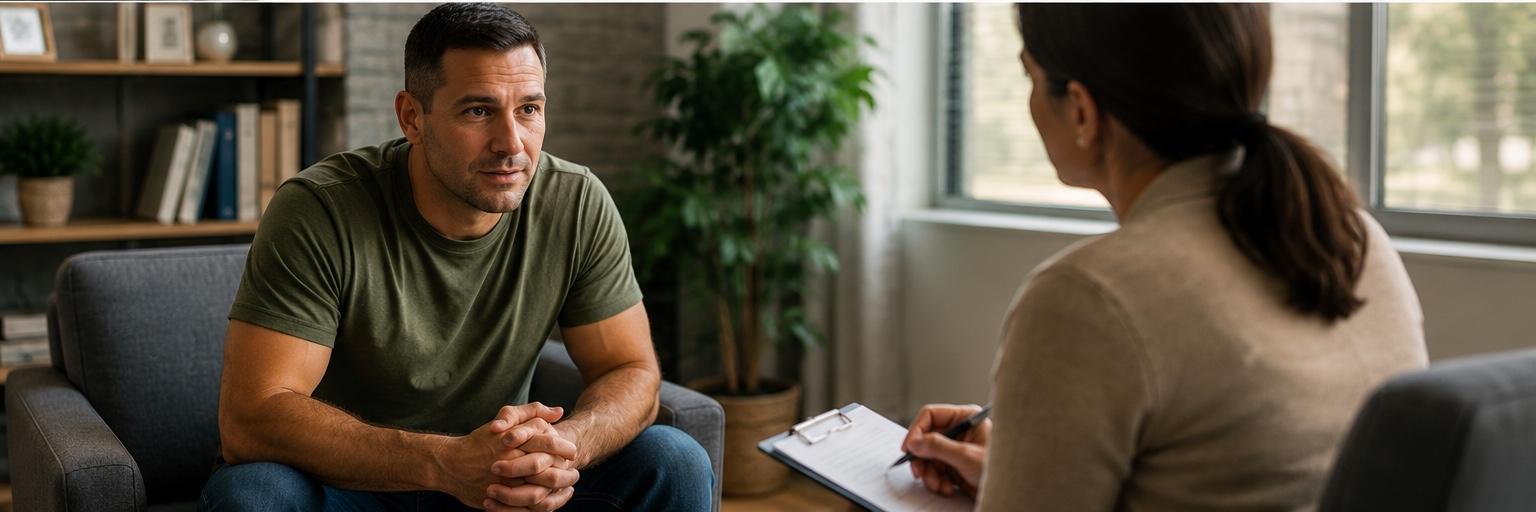
    Mental healthcare remains one of the most important components of overall veteran wellbeing. From stress and anxiety to PTSD, depression, adjustment challenges, and emotional recovery, mental health services help veterans improve quality of life and strengthen long-term wellness. 

    The Department of Veterans Affairs continues expanding mental health resources, research programs, telehealth services, crisis intervention support, and treatment options designed specifically for veterans and their families. 

    Mental healthcare is not only focused on crisis situations. Many services are designed to support daily wellbeing, emotional resilience, healthy relationships, stress management, and successful transitions into civilian life.

    Available support may include:

    • counseling and therapy services
    • PTSD treatment programs
    • depression and anxiety support
    • family and relationship counseling
    • crisis intervention resources
    • telehealth mental health services
    • wellness and recovery programs 

    The VA’s broader Whole Health approach also emphasizes treating the whole person rather than focusing only on medical conditions. This includes attention to emotional, social, physical, and personal wellbeing goals. 

    Mental health professionals continue encouraging veterans to seek support early rather than waiting until challenges become overwhelming. Accessing care is increasingly viewed as a sign of strength and proactive self-care rather than weakness.

    Research continues showing that veterans who connect with mental health resources often experience improved healthcare engagement, stronger recovery outcomes, and greater long-term stability. 

    As veteran support systems continue evolving, mental healthcare remains a critical foundation for helping veterans build healthier, more connected, and more fulfilling lives.

    For veterans navigating stress, recovery, or major life transitions, access to mental health support can make a meaningful difference in overall wellbeing.
     

  • Spiritual Care Programs Continue Supporting Homeless Veterans Beyond Housing

    Spiritual Care Programs Continue Supporting Homeless Veterans Beyond Housing

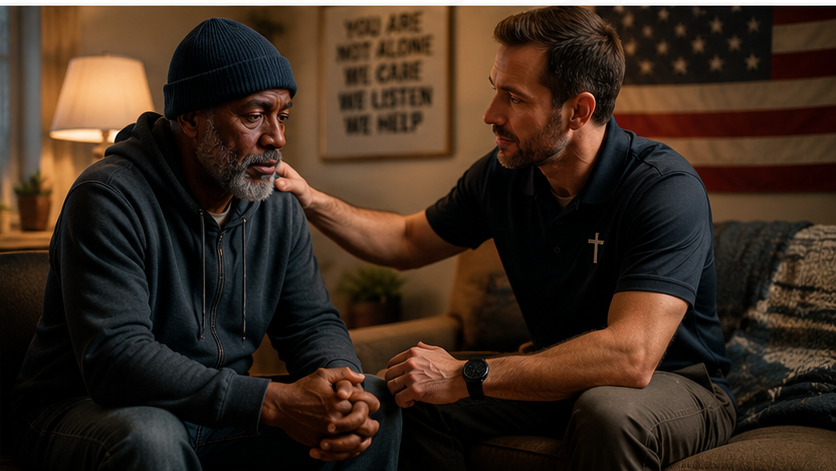
    Support programs for homeless and formerly unhoused veterans continue evolving beyond housing assistance by focusing more closely on emotional wellness, connection, and long-term recovery support.

    Spiritual care initiatives are becoming an increasingly important part of helping veterans rebuild stability and improve overall wellbeing. 

    Programs connected to veteran housing support efforts often recognize that recovery involves more than simply providing shelter. Emotional support, purpose, relationships, and personal connection also play important roles in long-term wellbeing.

    Research surrounding veteran housing programs has highlighted how spiritual support and community engagement may help improve quality of life for veterans transitioning out of homelessness. 

    Spiritual care support may include:

    • counseling and chaplain services
    • emotional wellness support
    • peer connection programs
    • community-building activities
    • grief and trauma support
    • wellness and recovery guidance

    Community organizations and veteran programs continue exploring ways to provide more holistic support systems that address both practical and emotional challenges.

    For some veterans, spiritual care may help restore a sense of meaning, dignity, and personal connection during difficult transitions.

    Healthcare and support professionals increasingly recognize that long-term recovery often requires attention to emotional and social wellbeing alongside housing and financial assistance.

    As more veteran-focused organizations expand holistic support programs, spiritual care continues becoming an important part of broader veteran wellness initiatives.


  • How Gaming is Supporting Veteran Wellness Through the REVEAL Program

    How Gaming is Supporting Veteran Wellness Through the REVEAL Program

    When you imagine mental health support for Veterans, dice and fantasy maps might not be the first things that come to mind. But at the Orlando VA Healthcare System, that’s exactly what’s helping some Veterans reconnect, build trust, and find support in a fresh and powerful way. 

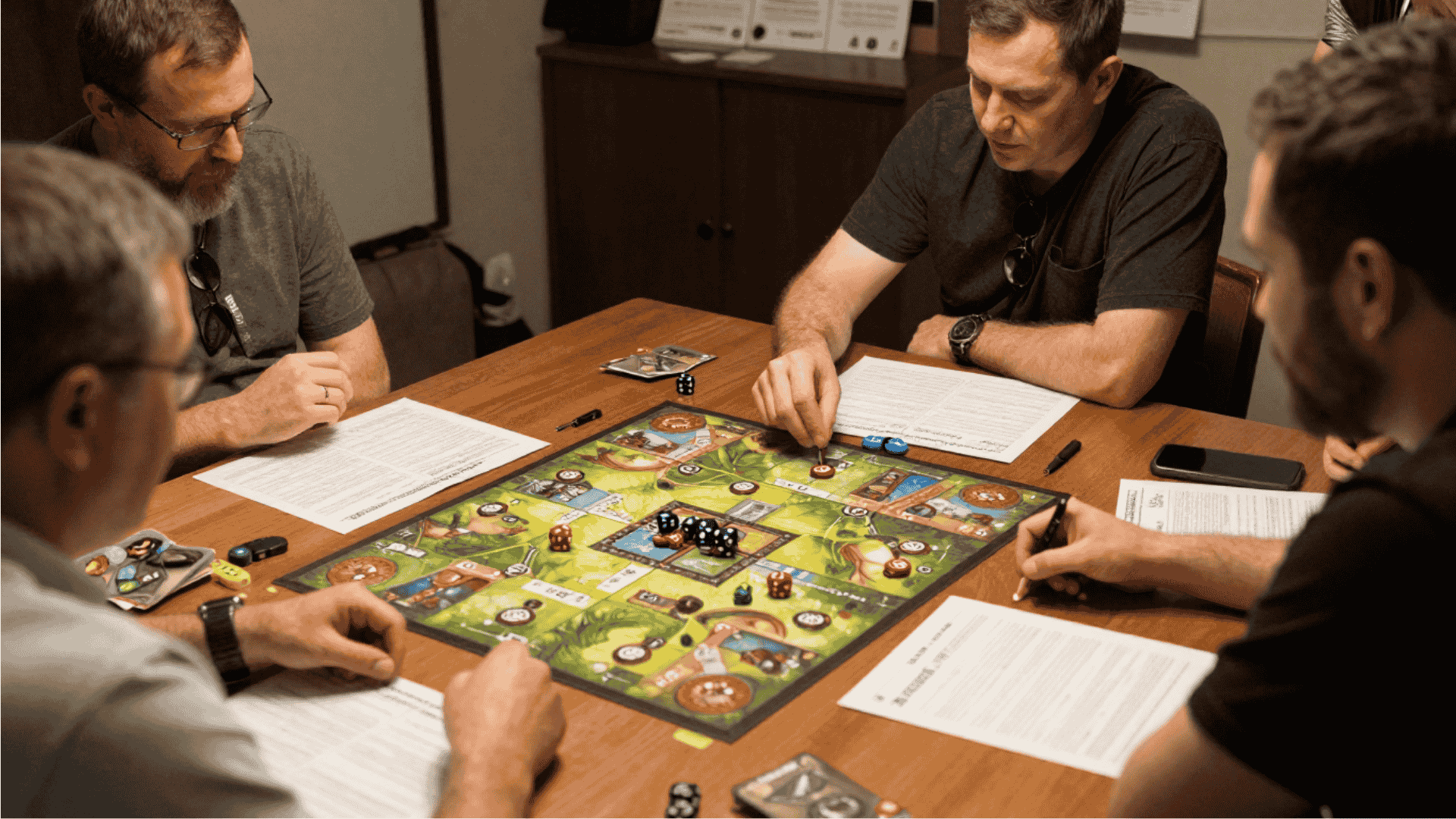
    The role-playing game Dungeons & Dragons (D&D) has become a central part of the REVEAL Program — short for Reimagining Veterans’ Emotions, Actions, and Life Skills — a growing initiative that uses tabletop gaming to promote wellness through creativity and teamwork.

    Unexpected Tools, Real Impact

    At first glance, tabletop gaming might seem like entertainment. But for many Veterans, the REVEAL sessions — held twice a month at the Orlando VA’s Mental Health Conference Room — offer something deeper: a chance to connect without pressure, build communication skills, and work together toward shared goals. 

    Veterans participating in the program form characters, plan actions, solve problems, and share stories in a supportive group setting — all while navigating a fantasy story world. The mechanics of D&D encourage teamwork and confidence, but the emotional benefits extend well beyond the game board.

    From Isolation to Interaction

    For many Veterans, transitioning out of military service can be isolating. The REVEAL Program offers a peer-driven environment where participants are free to express themselves, learn from others, and build trust at their own pace. 

    Victor Mitchell, Navy Veteran and program lead, has personally felt that transformation. After decades of gaming helped pull him through his own toughest times, he knew similar experiences could support his fellow Veterans. “It’s not just a game,” Mitchell said. “It’s about reconnecting through creativity and building community. When people feel seen and supported, real healing begins.”

    Why It Works

    The REVEAL Program meets in a non-clinical, welcoming space where Veterans are invited to participate rather than prescribed therapy. The structure of tabletop role-playing helps with:

    • Communication and social interaction

    • Thinking creatively and collaboratively

    • Reducing feelings of isolation

    • Establishing friendships and mutual support networks 

    These shared experiences — guided by storytelling and strategy — provide opportunities for connection that traditional models sometimes miss.

    A Model Worth Sharing

    Mitchell hopes the success seen in Orlando will inspire similar initiatives across the VA system. “Gaming breaks down barriers,” he said. “It creates community without forcing Veterans to relive painful memories. When we listen to what engages Veterans and build programs around that, the impact is profound.” 

    The REVEAL Program reminds us that support can be creative, community-focused, and rooted in shared experiences that build strength rather than demand vulnerability.