Tag: Veteran Healthcare

  • We CARE Vet Fair Connects Georgia Veterans with Valuable Resources and Support

    We CARE Vet Fair Connects Georgia Veterans with Valuable Resources and Support

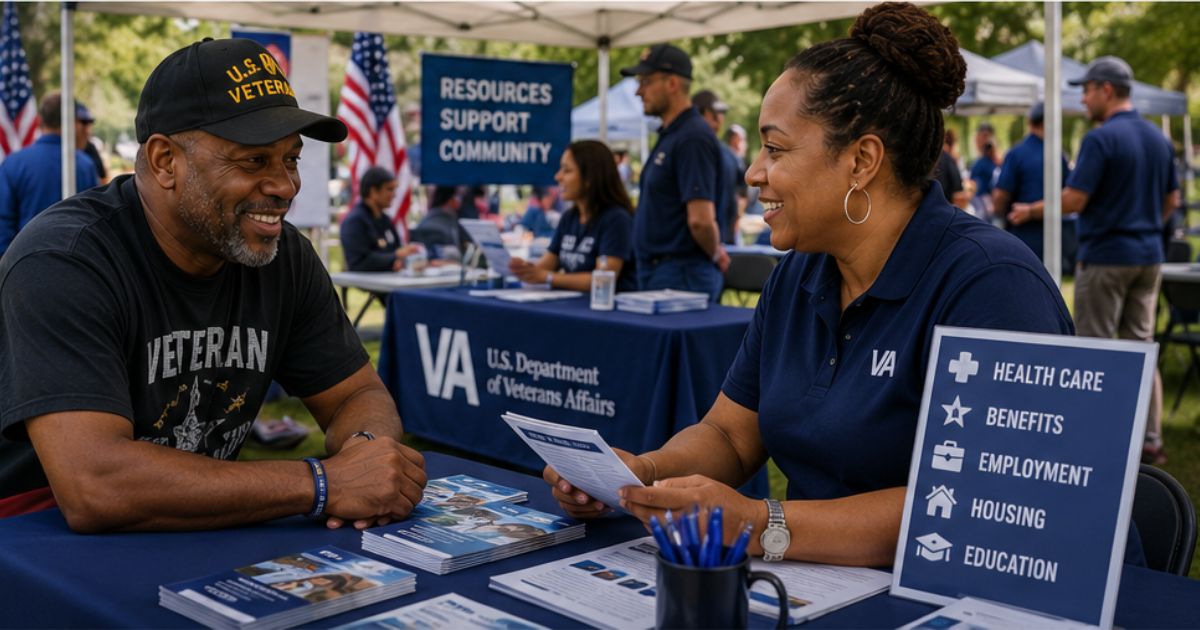
    Community events continue to play an important role in helping veterans access services, benefits, and support programs available in their local areas. The We CARE Vet Fair in Georgia brought together healthcare providers, veteran organizations, community leaders, and support agencies to connect veterans with valuable resources designed to improve their quality of life.

    Events like the We CARE Vet Fair create opportunities for veterans to learn about healthcare services, employment assistance, educational opportunities, housing support, and other programs that may be available to them. Many veterans are unaware of the full range of benefits and community resources that can help support their transition and long-term wellbeing.

    Attendees had opportunities to:

    • Meet with veteran service organizations
    • Learn about healthcare resources
    • Explore employment opportunities
    • Receive benefits information
    • Connect with housing support programs
    • Build relationships within the veteran community

    Community outreach events help reduce barriers that sometimes prevent veterans from accessing services. By bringing multiple organizations together in one location, veterans can learn about available programs and ask questions directly to service providers.

    Veteran support extends beyond benefits alone. Access to healthcare, employment resources, housing assistance, education, and social connections can all contribute to improved wellbeing and long-term success.

    Programs like the We CARE Vet Fair demonstrate how local communities can work together to ensure veterans have access to the information and resources they need. As more organizations collaborate through outreach events and resource fairs, veterans gain additional opportunities to connect with support networks and services.

    These efforts continue helping veterans navigate challenges, discover new opportunities, and strengthen connections within their communities.
     

  • Addressing Homelessness Among Aging Veterans: Growing Challenges and New Solutions

    Addressing Homelessness Among Aging Veterans: Growing Challenges and New Solutions

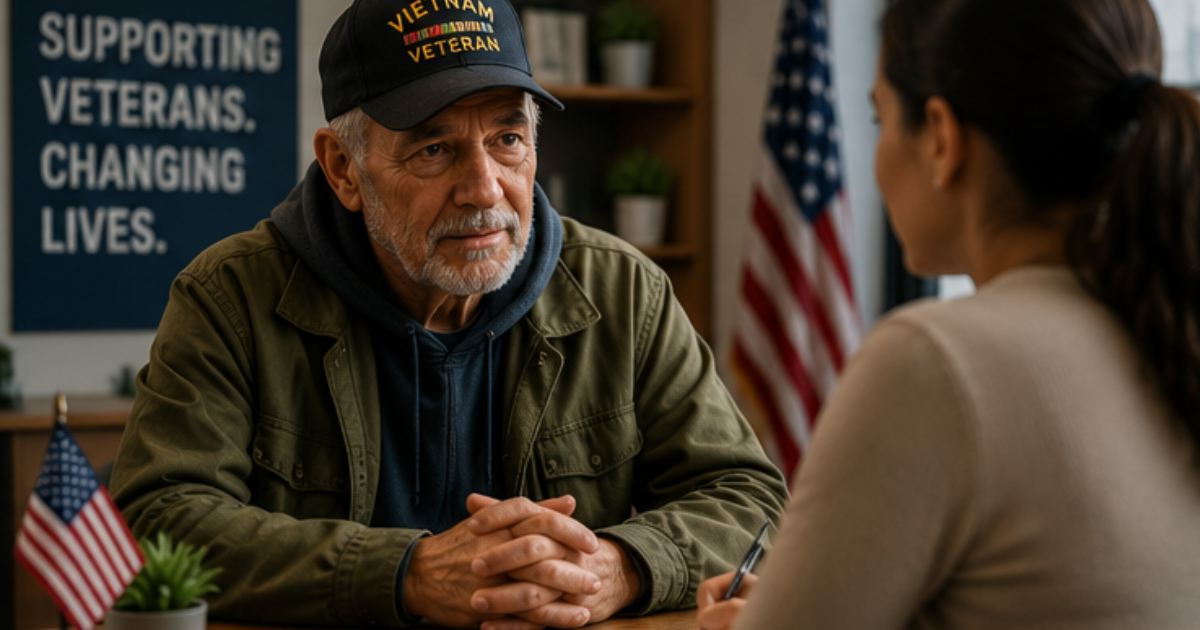
    As America’s veteran population continues to age, homelessness among older veterans has become an increasingly important issue for healthcare providers, community organizations, and government agencies. Older veterans often face unique challenges that differ from those experienced by younger individuals experiencing homelessness. 

    Many aging veterans struggle with chronic medical conditions, mobility limitations, mental health concerns, and fixed incomes that can make securing stable housing more difficult. These challenges often require specialized services beyond traditional homelessness assistance programs. 

    To address these growing needs, the VA has identified several key strategies aimed at improving outcomes for aging homeless veterans. These include expanded healthcare services, preventative care programs, medical respite services, hospice support, affordable housing initiatives, legal assistance, and data-driven decision-making to better identify at-risk veterans. 

    Key priorities include:

    • Expanding affordable housing options
    • Improving access to healthcare services
    • Increasing medical respite and hospice programs
    • Strengthening legal and support services
    • Enhancing homelessness prevention efforts
    • Using data and research to improve interventions

    Veteran homelessness remains a complex issue influenced by housing costs, healthcare access, economic challenges, disabilities, and social support systems. Many organizations continue working together to develop coordinated solutions that address both immediate housing needs and long-term stability. 

    Recent research suggests that proactive identification of veterans at risk of homelessness can help organizations intervene earlier and provide support before a housing crisis occurs. Emerging technologies and improved data systems are helping providers better understand risk factors and connect veterans with appropriate resources. 

    As the population of older veterans grows, continued investment in housing, healthcare, and support programs will remain essential for helping veterans maintain stability, independence, and quality of life.