Tag: VA Healthcare

  • Protecting Your VA Health Data: Simple Steps Every Veteran Should Know

    Protecting Your VA Health Data: Simple Steps Every Veteran Should Know

    As more healthcare services become available online, protecting personal health information has become increasingly important for veterans. The Department of Veterans Affairs continues encouraging veterans to take proactive steps to safeguard their health records, online accounts, and sensitive personal information. 

    Cybercriminals frequently target personal data because it can be used for identity theft, fraud, and unauthorized access to financial or healthcare information. Veterans who use online healthcare portals should remain aware of common cybersecurity risks and best practices.

    Simple actions can significantly improve online security:

    • Use strong, unique passwords
    • Enable multi-factor authentication
    • Avoid sharing login credentials
    • Monitor account activity regularly
    • Keep devices updated
    • Be cautious of phishing emails and scams
    • Only access healthcare information through trusted websites

    The VA has continued improving account security through secure login systems and identity verification processes designed to help protect veteran information online. Veterans are encouraged to use trusted authentication services when accessing government resources. 

    Healthcare records contain highly sensitive information, making them valuable targets for cybercriminals. Taking preventive measures can help reduce the risk of unauthorized access and protect personal privacy.

    Veterans should also be cautious when receiving unexpected emails, text messages, or phone calls requesting account information. Legitimate government agencies rarely ask for sensitive information through unsolicited communications.

    As digital healthcare continues expanding, cybersecurity awareness remains an important part of protecting both personal information and healthcare access.

    By adopting simple online safety habits, veterans can better protect their data while continuing to take advantage of convenient digital healthcare services.


  • VA Accelerates Prosthetic Limb Delivery to Improve Veteran Care

    VA Accelerates Prosthetic Limb Delivery to Improve Veteran Care

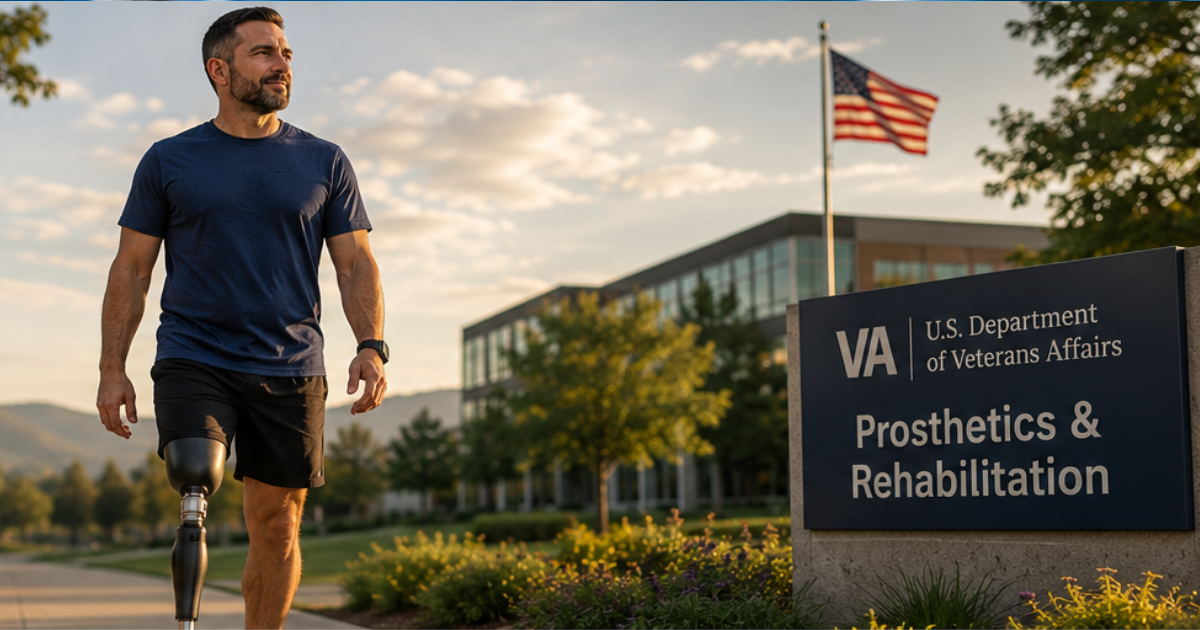
    The Department of Veterans Affairs has announced major improvements to the way prosthetic limbs are purchased and delivered, helping veterans receive essential mobility devices more quickly. The changes are expected to reduce delivery times by approximately 42%, significantly improving access to prosthetic care for thousands of veterans each year. 

    Previously, many prosthetic limb orders required additional contracting reviews before approval, creating delays that often extended delivery timelines by several weeks. Under the new process, approximately 95% of prosthetic limb orders no longer require those additional reviews, allowing local purchasing teams to work directly with approved suppliers. 

    VA officials estimate that average wait times could decrease from roughly 94 days to approximately 54 days as the updated process is fully implemented nationwide. Faster access means veterans can begin rehabilitation sooner and regain mobility more quickly after receiving their prosthetic devices. 

    Benefits of the updated process include:

    • Faster prosthetic delivery
    • Reduced administrative delays
    • Improved rehabilitation timelines
    • Better mobility outcomes
    • Enhanced veteran healthcare experiences

    The VA remains one of the largest providers of prosthetic and rehabilitation services in the world. Ongoing research and technology investments continue improving the quality and functionality of prosthetic devices available to veterans. 

    For veterans who rely on prosthetic limbs for daily activities, work, recreation, and independence, these improvements represent a meaningful step toward more responsive healthcare support.


  • How Mental Healthcare Contributes to Veteran Wellbeing and Long-Term Recovery

    How Mental Healthcare Contributes to Veteran Wellbeing and Long-Term Recovery

    Mental healthcare remains one of the most important components of overall veteran wellbeing. From stress and anxiety to PTSD, depression, adjustment challenges, and emotional recovery, mental health services help veterans improve quality of life and strengthen long-term wellness. 

    The Department of Veterans Affairs continues expanding mental health resources, research programs, telehealth services, crisis intervention support, and treatment options designed specifically for veterans and their families. 

    Mental healthcare is not only focused on crisis situations. Many services are designed to support daily wellbeing, emotional resilience, healthy relationships, stress management, and successful transitions into civilian life.

    Available support may include:

    • counseling and therapy services
    • PTSD treatment programs
    • depression and anxiety support
    • family and relationship counseling
    • crisis intervention resources
    • telehealth mental health services
    • wellness and recovery programs 

    The VA’s broader Whole Health approach also emphasizes treating the whole person rather than focusing only on medical conditions. This includes attention to emotional, social, physical, and personal wellbeing goals. 

    Mental health professionals continue encouraging veterans to seek support early rather than waiting until challenges become overwhelming. Accessing care is increasingly viewed as a sign of strength and proactive self-care rather than weakness.

    Research continues showing that veterans who connect with mental health resources often experience improved healthcare engagement, stronger recovery outcomes, and greater long-term stability. 

    As veteran support systems continue evolving, mental healthcare remains a critical foundation for helping veterans build healthier, more connected, and more fulfilling lives.

    For veterans navigating stress, recovery, or major life transitions, access to mental health support can make a meaningful difference in overall wellbeing.


  • Make Today Your Day 1: VA Encourages Veterans to Quit Tobacco for Better Health

    Make Today Your Day 1: VA Encourages Veterans to Quit Tobacco for Better Health

    The Department of Veterans Affairs continues encouraging veterans to take the first step toward quitting tobacco and improving long-term health. Through counseling programs, quit coaches, medications, and support resources, veterans have access to multiple tools designed to help them successfully stop tobacco use. 

    Health experts continue emphasizing that quitting tobacco remains one of the most important decisions people can make for improving overall health, reducing disease risks, and strengthening long-term wellbeing.

    According to VA tobacco cessation resources, veterans have the highest chance of success when combining behavioral counseling with approved cessation medications. This combination helps address both nicotine cravings and long-term behavioral habits associated with tobacco use. 

    The VA currently offers several support options, including:

    • tobacco cessation counseling
    • nicotine replacement therapies
    • prescription medications
    • quit coaching services
    • follow-up support programs
    • telephone and virtual assistance resources 

    Veterans can also access the VA’s Quit VET program, which provides free telephone coaching and personalized support plans to help individuals prepare for challenges during the quitting process. 

    Many veterans worry about withdrawal symptoms or previous unsuccessful attempts, but health professionals emphasize that multiple attempts are often part of the process and should not discourage future efforts.

    Recent VA and Department of Defense clinical guidance has also strengthened evidence-based recommendations for tobacco treatment programs and cessation support throughout veteran healthcare systems. 

    Quitting tobacco can improve heart health, lung function, energy levels, and overall quality of life while reducing long-term health risks.

    For veterans considering a healthier future, taking the first step today may be one of the most important investments in long-term wellbeing.


  • Federal EHR Updates Expected to Improve Veteran Healthcare Access and Coordination

    Federal EHR Updates Expected to Improve Veteran Healthcare Access and Coordination

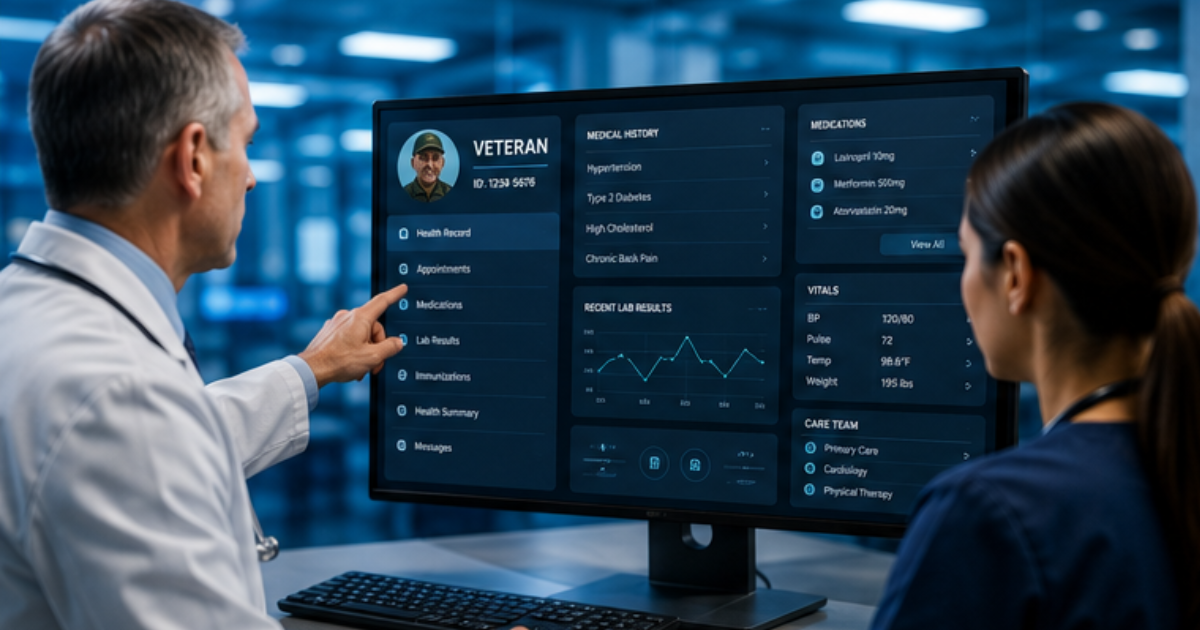
    The Department of Veterans Affairs continues expanding and modernizing its Federal Electronic Health Record (EHR) system as part of a larger effort to improve healthcare coordination and patient experiences for veterans nationwide. According to the latest update, additional VA medical centers and clinics are scheduled to receive the new system throughout 2026. 

    The Federal EHR system is designed to replace older healthcare record systems with a more connected and streamlined digital platform that allows providers to access medical information more efficiently across VA and Department of Defense healthcare networks. 

    Officials say the modernization effort is focused on improving patient care by reducing delays, improving coordination between providers, and simplifying how healthcare information is shared. Veterans receiving care through participating facilities may benefit from faster access to records, improved appointment coordination, and more consistent healthcare experiences. 

    Planned improvements include:

    • better healthcare data sharing
    • improved appointment coordination
    • streamlined clinical documentation
    • enhanced prescription management
    • easier access to patient records
    • stronger communication across facilities 

    The EHR modernization program has faced challenges during earlier deployment phases, including technical issues and operational concerns, but VA officials continue emphasizing that updates and improvements are helping strengthen reliability and patient outcomes over time. 

    As deployments continue expanding across additional medical centers in 2026, the long-term goal remains creating a more unified and efficient healthcare experience for veterans nationwide. 

    For veterans, improved healthcare technology can mean faster access to information, reduced paperwork, and more connected care experiences across different healthcare providers.


  • Women Veterans: VA Outreach and Support Services Are Expanding Nationwide

    Women Veterans: VA Outreach and Support Services Are Expanding Nationwide

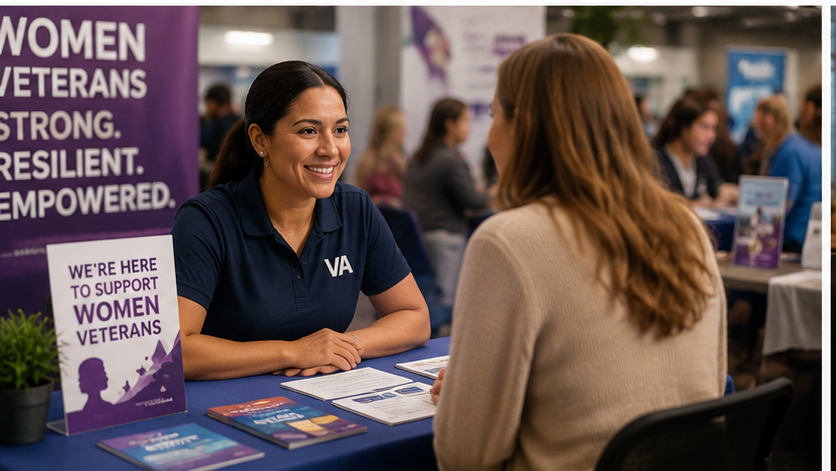
    The Department of Veterans Affairs continues expanding outreach efforts aimed at improving access to healthcare, benefits, and support services for women veterans across the country. New regional initiatives and community events are designed to help more women veterans connect directly with available resources and programs. 

    As the number of women veterans continues growing nationwide, the VA has increased focus on ensuring services are more accessible, visible, and responsive to their needs.

    Outreach programs are intended to improve awareness about available healthcare services, mental health resources, education support, maternity care, benefits guidance, and community assistance programs.

    Many women veterans may not realize the full range of services available to them or may face challenges navigating systems after military service.

    Current outreach efforts may include:

    • regional veteran summits
    • healthcare education events
    • women veteran support programs
    • community resource connections
    • benefits awareness initiatives
    • wellness and mental health support 

    The VA has emphasized that improving outreach is an important part of ensuring women veterans feel recognized, informed, and supported throughout their post-service journey.

    Community events and regional programs also create opportunities for women veterans to connect with other veterans, organizations, and support networks.

    As services continue expanding, outreach efforts aim to bring more personalized support directly into local communities instead of expecting veterans to navigate everything alone.

    For many women veterans, increased visibility and easier access to information can make a meaningful difference in long-term wellbeing and healthcare engagement.


  • VA Hospitals Earn Record-High Quality Ratings in 2026 CMS Report

    VA Hospitals Earn Record-High Quality Ratings in 2026 CMS Report

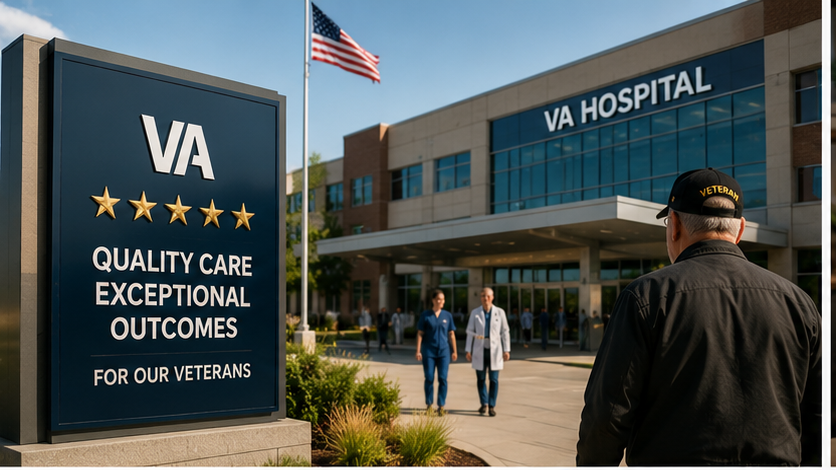
    The Department of Veterans Affairs has announced record-high hospital quality ratings in the latest 2026 report released by the Centers for Medicare & Medicaid Services (CMS). According to the report, 78% of VA hospitals receiving an Overall Hospital Quality Star Rating earned four or five stars, marking one of the strongest performances in recent years. 

    The ratings are based on several key healthcare quality categories, including patient safety, mortality, readmission rates, patient experience, and effectiveness of care. A higher star rating reflects stronger overall hospital performance and patient outcomes. 

    The latest results continue a positive trend for VA healthcare systems. Officials noted that this is the second consecutive year in which no VA hospital received a one-star rating, while a large majority maintained or improved their previous ratings. 

    The report also highlights how VA hospitals continue outperforming many non-VA healthcare facilities in several patient care categories.

    Areas contributing to stronger ratings include:

    • improved patient experience
    • enhanced safety standards
    • better care coordination
    • faster treatment access
    • stronger healthcare outcomes

    The VA has continued investing in healthcare modernization, infrastructure upgrades, and digital health systems aimed at improving veteran care experiences nationwide. 

    For veterans and families, these ratings provide additional confidence when evaluating healthcare options and accessing VA medical services.

    As healthcare expectations continue evolving, maintaining strong quality standards remains an important focus for veteran healthcare systems across the country.


  • Veteran Receives Next-Generation Eye Care Through VA Telehealth Services

    Veteran Receives Next-Generation Eye Care Through VA Telehealth Services

    Advanced telehealth technology is helping improve eye care access for veterans, especially those living in rural areas or far from major medical centers. A recent VA healthcare success story highlighted how modern eye care systems are making appointments faster, more convenient, and less stressful for veterans. 

    The updated care approach uses advanced imaging equipment and tele-eye care services that allow specialists to review eye health remotely without requiring veterans to travel long distances for every appointment.

    In one recent case, a veteran receiving care through the VA experienced a more streamlined eye examination process that reduced the need for traditional eye dilation procedures while still providing high-quality monitoring and treatment planning. 

    The VA’s Technology-Based Eye Care Services (TECS) program has been expanding access to vision care for veterans through remote screening, virtual consultations, and digital imaging support. These services help improve accessibility while reducing travel burdens for veterans in underserved communities. 

    Tele-eye care services can support:

    • routine vision exams
    • diabetic eye screenings
    • eyeglass prescriptions
    • monitoring of eye conditions
    • specialty vision consultations
    • rehabilitation support for low vision care 

    Programs like these are part of the VA’s broader effort to modernize healthcare delivery and improve convenience for veterans through digital health technology.

    For veterans who face mobility challenges, live in rural areas, or simply want easier access to care, virtual eye care services can significantly reduce delays and improve overall healthcare experiences.

    As telehealth technology continues expanding, eye care is becoming one of the many healthcare areas benefiting from faster, smarter, and more connected systems.


  • VA Strengthens Suicide Prevention Support and Outreach for Veterans

    VA Strengthens Suicide Prevention Support and Outreach for Veterans

    The Department of Veterans Affairs continues to strengthen suicide prevention efforts and mental health support programs aimed at helping veterans access care earlier and more effectively. The latest update highlights expanded outreach initiatives, crisis support resources, and community partnerships focused on protecting veterans and improving long-term mental wellness. 

    Mental health challenges can affect veterans in many different ways, and the VA has emphasized the importance of early intervention, connection, and access to support services. Officials continue encouraging veterans, families, caregivers, and communities to recognize warning signs and use available resources when support is needed.

    The VA’s suicide prevention strategy includes a combination of direct healthcare services, crisis response programs, outreach campaigns, and local partnerships designed to increase awareness and improve accessibility.

    Current support resources include:

    • Veterans Crisis Line access
    • mental health counseling and therapy
    • suicide prevention coordinators
    • community outreach initiatives
    • emergency and crisis support services
    • peer and wellness support programs

    The VA has also focused on improving outreach to veterans who may not currently be connected with VA healthcare systems, helping ensure more individuals are aware of available support options.

    According to officials, suicide prevention remains one of the department’s highest priorities, with continued investment in programs designed to strengthen relationships, reduce isolation, and improve overall veteran wellbeing.

    Veterans experiencing emotional distress, crisis situations, or mental health concerns are encouraged to seek help and connect with support resources as early as possible.

    For many veterans, simply knowing support is available can make an important difference during difficult moments.


  • VA Pregnancy Benefits Guide: What Veterans Should Know About Prenatal and Postpartum Care

    VA Pregnancy Benefits Guide: What Veterans Should Know About Prenatal and Postpartum Care

    Pregnancy-related healthcare support for veterans continues to expand as the Department of Veterans Affairs strengthens maternity care services and improves access to prenatal and postpartum support. The updated guidance highlights the range of benefits available to eligible veterans before, during, and after pregnancy.

    The VA provides maternity care coordination designed to help veterans navigate appointments, providers, healthcare planning, and ongoing support throughout pregnancy. This includes prenatal checkups, routine screenings, labor and delivery care, postpartum services, breastfeeding support, and mental health resources.

    One of the primary goals is to ensure veterans receive coordinated care without unnecessary confusion or delays. Pregnancy care often involves multiple providers, specialists, and appointments, and the VA’s maternity care coordinators help simplify that process for veterans and their families.

    Available support may include:

    • prenatal and postpartum healthcare services
    • maternity care coordination
    • breastfeeding counseling and supplies
    • mental health and emotional wellness support
    • newborn healthcare guidance
    • assistance with community care referrals

    The VA has also emphasized the importance of mental health support during and after pregnancy. Veterans experiencing stress, anxiety, postpartum depression, or emotional challenges are encouraged to seek care and use available resources.

    As the number of women veterans continues to grow, maternity and reproductive healthcare services have become an increasingly important focus area within the VA healthcare system.

    The updated pregnancy benefits guidance aims to improve awareness so veterans better understand the healthcare resources available throughout every stage of pregnancy and postpartum recovery.

    For veterans planning a family or currently expecting, understanding these benefits can help make the healthcare journey smoother, more informed, and better supported.