Tag: VA benefits update

  • Veteran Family Member Programs: Health Care & Support Options

    Veteran Family Member Programs: Health Care & Support Options

    While VA benefits focus on Veterans, certain programs extend support to eligible family members. These programs recognize the sacrifices families make alongside those who serve.

    Programs for Family Members

    Key programs include:

    • CHAMPVA for eligible spouses and dependents

    • Caregiver Support Program

    • Education and survivor benefits

    Eligibility varies by program and Veteran status.

    Who May Qualify?

    Eligibility may depend on:

    • Service-connected disability rating

    • Veteran’s death due to service-connected conditions

    • Caregiver designation approval

    Final Thoughts

    Family support programs help strengthen Veteran households. Understanding eligibility ensures families receive assistance when needed.


  • VA Form 10: How Veterans Enroll in VA Health Care

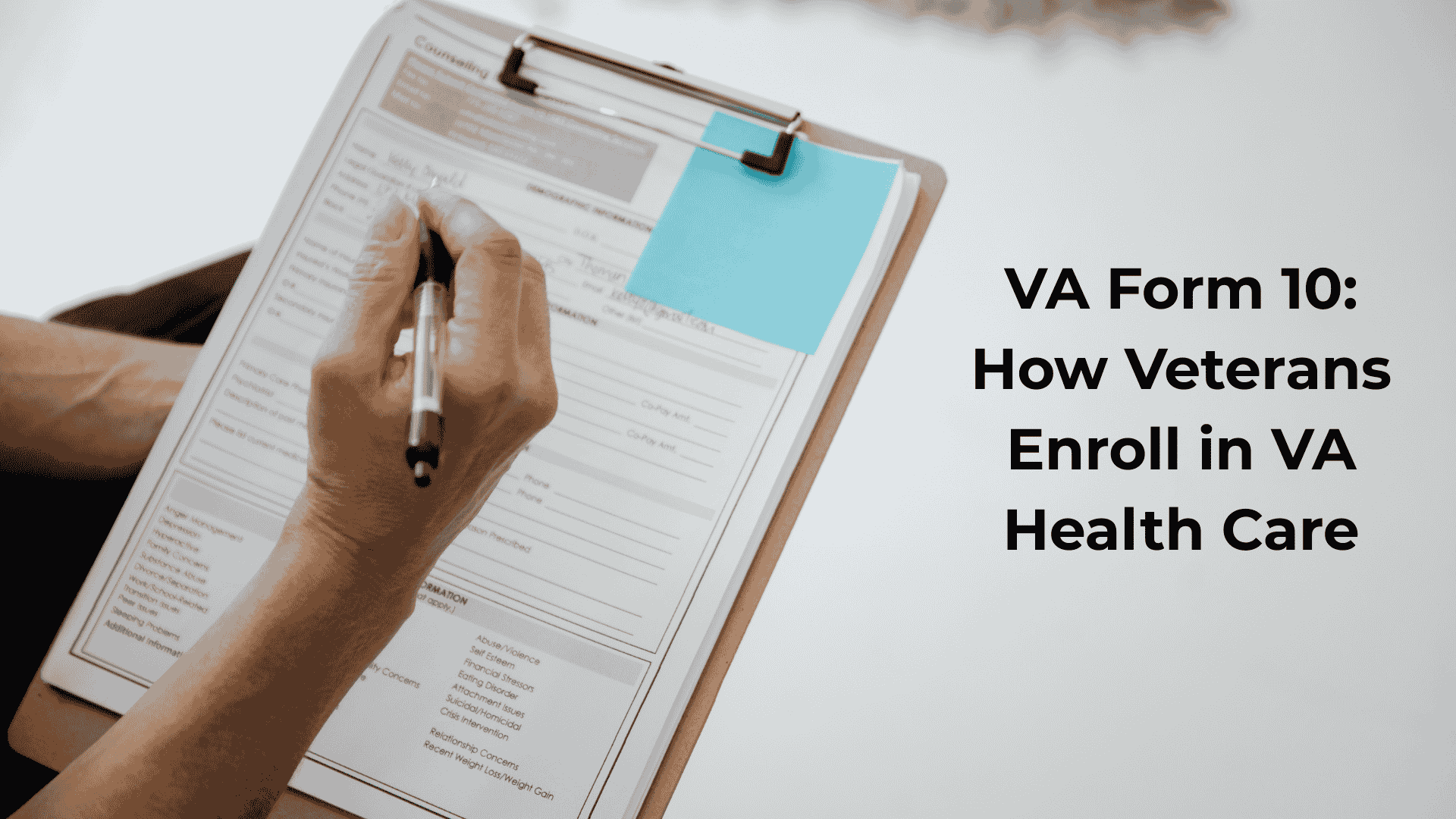
    VA Form 10: How Veterans Enroll in VA Health Care

    VA health care provides medical services to millions of Veterans, but access begins with enrollment. VA Form 10-10EZ is the official application used to determine eligibility for VA health care benefits.

    Understanding how the form works helps Veterans avoid delays and incomplete applications.

    What Is VA Form 10-10EZ?

    VA Form 10-10EZ collects information related to:

    • Military service history

    • Discharge status

    • Income and household information

    • Insurance coverage

    The VA uses this data to assign eligibility and priority group placement.

    Who Should Apply?

    Veterans who:

    • Have never enrolled in VA health care

    • Were previously denied and wish to reapply

    • Experienced changes in income or status

    Applying does not obligate Veterans to use VA health care — it simply establishes eligibility.

    How to Apply

    Veterans can apply:

    • Online through VA.gov

    • By mail

    • In person at a VA medical center

    Submitting accurate information reduces processing delays.

    Final Thoughts

    VA Form 10-10EZ is the gateway to VA health care. Completing it correctly ensures Veterans can access care when needed without unnecessary barriers.


  • Best Home Warranty Companies for Veterans – Discounts & Coverage Options

    Best Home Warranty Companies for Veterans – Discounts & Coverage Options

    Homeownership comes with pride — and unexpected expenses. For Veterans, especially those purchasing homes through VA loans, home warranties can provide financial protection against sudden repair or replacement costs for essential systems and appliances.

    While home warranties are optional, many Veterans consider them a practical layer of protection, particularly during the first year of ownership or when buying older homes.

    What Is a Home Warranty?

    A home warranty is a service contract that helps cover the cost of repairing or replacing major home systems and appliances due to normal wear and tear. This typically includes:

    • Heating and cooling systems

    • Plumbing and electrical systems

    • Water heaters

    • Kitchen appliances

    Unlike homeowners insurance, warranties focus on mechanical breakdowns, not natural disasters.

    Why Veterans Consider Home Warranties

    Veterans often choose home warranties to:

    • Reduce unexpected repair expenses

    • Protect limited or fixed incomes

    • Gain peace of mind after purchasing a home

    • Avoid large upfront repair bills

    Some sellers include a home warranty during a VA loan transaction, particularly in competitive markets.

    Veteran Discounts and Military Pricing

    Some home warranty companies offer:

    • Military appreciation discounts

    • Reduced annual premiums for Veterans

    • Promotional pricing for service members

    These discounts are not always advertised, so Veterans should ask directly when requesting quotes.

    What Veterans Should Look for in a Warranty Plan

    Key considerations include:

    • Coverage limits per system

    • Exclusions and waiting periods

    • Service call fees

    • Contractor response times

    The “best” plan depends on the home’s age, location, and existing systems.

    Are Home Warranties Worth It?

    Home warranties are not necessary for every homeowner. Veterans should weigh:

    • Age and condition of home systems

    • Available emergency savings

    • Comfort with repair risks

    For some, warranties offer valuable financial predictability.

    Final Thoughts

    Home warranties can be a useful tool for Veterans seeking to manage repair risk responsibly. The key is understanding coverage details, avoiding assumptions, and choosing plans aligned with real household needs.


  • Veteran Auto Loans for Bad Credit – Guaranteed Approval Options

    Veteran Auto Loans for Bad Credit – Guaranteed Approval Options

    For many Veterans, reliable transportation is not a luxury — it’s a necessity. Whether commuting to work, attending medical appointments, or supporting family responsibilities, access to a dependable vehicle matters. Unfortunately, bad credit can make obtaining an auto loan challenging, even for those with a strong service history.

    While no loan is truly “guaranteed,” there are auto financing options designed specifically for Veterans with low or damaged credit. Understanding how these programs work can help Veterans secure transportation without falling into predatory lending traps.

    Why Veterans Face Credit Challenges

    Many Veterans experience credit difficulties due to:

    • Frequent relocations during service

    • Gaps in employment during transition to civilian life

    • Medical expenses or disability-related financial strain

    • Divorce or family restructuring after service

    These factors do not reflect financial irresponsibility — they reflect life circumstances. Veteran-focused lenders recognize this and often evaluate applicants beyond traditional credit scores.

    Are There “Guaranteed” Veteran Auto Loans?

    The term guaranteed approval is often used in marketing, but it’s important to approach it cautiously. Legitimate lenders still evaluate income, affordability, and basic eligibility. However, Veteran-friendly lenders may approve borrowers with low credit scores by:

    • Placing greater emphasis on stable income

    • Offering higher flexibility in credit requirements

    • Structuring loans with adjusted terms

    Veterans should avoid lenders promising approval without any verification — these are often high-risk or predatory offers.

    Veteran Auto Loan Options for Bad Credit

    1. Military & Veteran-Focused Credit Unions

    Some credit unions serve only Veterans or military families. These institutions often offer:

    • Lower interest rates than subprime lenders

    • Credit-building auto loan programs

    • Personalized underwriting

    2. Subprime Auto Lenders (With Caution)

    Certain lenders specialize in bad credit auto loans. While approvals may be easier, interest rates can be higher. Veterans should:

    • Review total loan cost

    • Avoid long loan terms with high interest

    • Confirm no hidden fees

    3. Dealership Financing Programs

    Some dealerships partner with Veteran-friendly lenders and offer in-house financing. This may help with approval but requires careful review of terms.

    Improving Approval Chances

    Veterans can improve approval odds by:

    • Providing proof of steady income

    • Making a modest down payment

    • Choosing a reasonably priced vehicle

    • Reviewing credit reports for errors

    Even small improvements can result in better loan terms.

    Final Thoughts

    Bad credit does not disqualify Veterans from auto financing. With informed decision-making and awareness of Veteran-focused lenders, many Veterans can secure transportation while rebuilding credit responsibly.


  • Veteran Discounts Guide: Auto Insurance, Home Warranties & Loans

    Veteran Discounts Guide: Auto Insurance, Home Warranties & Loans

    Many Veterans and military families are eligible for financial discounts and special programs—but those benefits often go unused simply because people don’t know where to look.

    From auto insurance savings to home warranty discounts and loan options designed for Veterans, there are programs available that can help reduce everyday costs and improve financial stability. This guide breaks down some of the most common Veteran discounts and explains how to approach them with confidence.

    Auto Insurance Discounts for Veterans

    Auto insurance is one of the most common recurring expenses for households, and many insurance providers offer discounts specifically for Veterans, active-duty service members, and military families.

    These discounts may be available through:

    • Military or Veteran status verification

    • Safe driving history

    • Bundled insurance policies (auto + home or renters)

    • Membership in Veteran organizations

    Some insurers also offer reduced rates during deployment or flexible coverage options for Veterans transitioning to civilian life. While discounts vary by provider and state, it’s often worth asking insurers directly about Veteran-specific savings when requesting a quote.

    Tip: Always compare multiple providers and ask specifically about military or Veteran discounts—they’re not always advertised upfront.

    Home Warranty Savings for Veterans

    Home warranties help cover the repair or replacement of major home systems and appliances, such as HVAC systems, plumbing, electrical components, and kitchen appliances. For Veterans who own a home—or are purchasing one using a VA loan—home warranties can provide added peace of mind.

    Some home warranty companies offer:

    • Discounted annual plans for Veterans

    • Promotional pricing for military families

    • Flexible coverage plans suited for first-time homeowners

    While home warranties are optional, they can be helpful for managing unexpected repair costs, especially in older homes or during the first year of ownership.

    Before enrolling, Veterans should review coverage details carefully to understand what systems and appliances are included and what service fees may apply.

    Veteran Auto Loans and Financing Options

    Veterans looking to purchase or refinance a vehicle may also find loan programs designed with military service in mind. Some lenders offer:

    • Competitive interest rates for Veterans

    • Flexible approval criteria

    • Options for borrowers with limited or challenged credit history

    While having bad credit can limit financing choices, certain Veteran-friendly lenders consider factors beyond traditional credit scores, such as income stability or service history. That said, Veterans should approach auto loans carefully—comparing terms, interest rates, and total loan costs before committing.

    Important: Not every lender advertising “Veteran loans” offers better terms. Always read the fine print and avoid high-interest or predatory lending practices.

    How to Find Legitimate Veteran Discounts

    With so many offers online, it’s important to verify which discounts are legitimate and which are marketing claims. Veterans can protect themselves by:

    • Confirming offers directly with providers

    • Avoiding upfront fees or “guaranteed approval” claims

    • Using trusted Veteran-focused platforms and resources

    VA.org and Veterans Alliance aim to help Veterans understand their options clearly—without pressure or misleading promises.

    Why These Discounts Matter

    Small savings can add up quickly. Reduced insurance premiums, lower service costs, or better loan terms can free up monthly cash flow and reduce financial stress. For many Veterans, especially those transitioning to civilian life or managing fixed incomes, these benefits can make a meaningful difference.

    Understanding what’s available is the first step toward making informed financial decisions.

    Final Thoughts

    Veteran discounts aren’t handouts—they’re benefits earned through service. Whether you’re shopping for auto insurance, protecting your home, or exploring loan options, asking the right questions and using trusted resources can help you access the savings you deserve.

    Staying informed empowers Veterans to take control of their financial well-being with confidence.

     

  • VA IRRRL: Interest Rate Reduction Refinance Loan Guide

    VA IRRRL: Interest Rate Reduction Refinance Loan Guide

    The VA Interest Rate Reduction Refinance Loan (IRRRL), often called a “VA Streamline Refinance,” is designed to help Veterans and service members lower their existing VA mortgage interest rate with minimal paperwork and hassle.

    Unlike traditional refinancing options, the IRRRL program focuses on simplicity and cost savings, making it one of the most efficient ways for eligible homeowners to reduce monthly mortgage payments.

    What Is a VA IRRRL?

    A VA IRRRL allows you to refinance an existing VA-backed home loan into a new VA loan with a lower interest rate or a more stable loan structure. The program is intended to improve your financial position—not extract equity or change loan terms dramatically.

    Who Is Eligible?

    To qualify for a VA IRRRL, you must:

    • Currently have a VA home loan

    • Use the property as your primary residence (past occupancy is sufficient)

    • Demonstrate a net tangible benefit, such as lower monthly payments or interest rate reduction

    No credit check, income verification, or home appraisal is typically required.

    Key Benefits of the VA IRRRL

    Lower Interest Rates

    The primary benefit is reducing your interest rate, which can significantly lower monthly payments over time.

    Minimal Documentation

    Most lenders waive income verification and credit checks, speeding up approval.

    No Appraisal Required

    This is especially helpful if your home value has declined or stayed flat.

    VA Funding Fee Reduction

    The IRRRL has a reduced VA funding fee compared to other VA loan programs, and disabled Veterans may be exempt entirely.

    What the IRRRL Cannot Do

    • Cash-out refinancing (except minimal amounts for energy improvements)

    • Refinancing non-VA loans

    • Removing the VA loan requirement

    This is strictly a rate-reduction tool, not a cash-access option.

    Fixed vs Adjustable Loans

    Many Veterans use the IRRRL to convert an adjustable-rate mortgage (ARM) into a fixed-rate loan, offering long-term stability and predictable payments.

    When Does an IRRRL Make Sense?

    • Interest rates are lower than when you first financed

    • You plan to stay in the home long enough to offset closing costs

    • You want predictable monthly payments

    Final Thoughts

    The VA IRRRL program is one of the most Veteran-friendly refinancing options available. If your goal is to reduce interest rates and simplify your mortgage without jumping through hoops, this program deserves serious consideration.


  • GI Bill Benefits Restored for Veterans Discharged Over COVID-19 Vaccine Refusal

    GI Bill Benefits Restored for Veterans Discharged Over COVID-19 Vaccine Refusal

    If you were discharged from the military for refusing the COVID-19 vaccine, there’s important news that could reshape your future. The Department of Veterans Affairs has announced that many Veterans discharged under the COVID-19 vaccine mandate may now regain eligibility for GI Bill education benefits after a review and upgrade of their discharge status.

    At VA.org, our mission is to help Veterans understand what this change means and guide them through each step. Our virtual assistant, AI Joe, is available 24/7 to help you figure out your discharge status, understand eligibility, and take action.

    What Changed and Why It Matters

    On November 17, 2025, VA confirmed that Veterans who were separated specifically for refusing the COVID-19 vaccine may once again become eligible for GI Bill education benefits after a discharge upgrade. More than 8,000 service members were separated due to vaccine refusal. Because many of those discharges were classified as less than fully honorable, thousands lost access to GI Bill benefits they had earned. Now, with the new policy and ongoing case reviews, hundreds have already regained eligibility, and thousands more may be next. This update matters because it may give Veterans:
    • Access to tuition and education funding
    • Monthly housing allowance while attending school or training
    • Support for books, supplies, and vocational programs
    • A real chance to rebuild plans and pursue goals that were put on hold

    Who May Qualify for Restored Benefits

    You may be eligible if:
    • You were discharged specifically for refusing the COVID-19 vaccine.
    • Your discharge was less than honorable (e.g., General Under Honorable Conditions, Other Than Honorable).
    • Your record otherwise reflects honorable service.
    If you’re unsure, review your DD-214 and separation paperwork—or let AI Joe help you understand what’s written there.

    How to Request a Discharge Review (Step-by-Step)

    If you believe your discharge may fall under this policy change, here’s what to do next:
    1. Gather Your Records
    2. Get your DD-214 and any separation paperwork explaining why you were discharged. If you’re missing documents, you can request copies from the National Archives.
    3. Confirm Your Discharge Reason
    4. Check whether your separation was tied to refusing the COVID-19 vaccine or vaccine mandate non-compliance.
    5. Submit a Discharge Review Request
    6. Apply through the appropriate review board: Military Department Review Boards https://www.milreviewbds.mil/
    7. Explain Your Case Clearly
    8. Describe your service, your record, and the circumstances of your separation. Emphasize that the discharge was related to vaccine refusal—not misconduct.
    9. Keep Your Notification Letter
    10. If granted, your upgraded discharge paperwork will be essential when applying for GI Bill education benefits.

    After the Upgrade: How to Reclaim Your GI Bill Benefits

    Once your discharge is upgraded, you can submit a new GI Bill education benefits claim through the VA.

    VA Education Portal:
    https://www.va.gov/education

    Make sure you have:

    • Your upgraded discharge documentation
    • Correct benefit selection (e.g., Post-9/11 GI Bill)
    • Updated contact information

    Processing times may vary, but once approved, you can begin planning your education or training pathway immediately.

    How VA.org and AI Joe Can Help

    Navigating discharge upgrades and benefit claims can feel overwhelming. That’s exactly why we built AI Joe, your dedicated VA.org virtual assistant. AI Joe can help you:
    • Understand your discharge classification
    • Determine potential eligibility
    • Break down complex steps into simple instructions
    • Get links to the correct forms and review boards
    • Prepare questions before speaking with VA
    • Stay updated on benefits changes and policy updates
    You can talk to AI Joe anytime—just click the “Chat with AI Joe” button on VA.org. For ongoing support, create your free account at: https://va.org/signup This lets you save notes, track your progress, and come back whenever you’re ready for the next step.

    Take the Next Step Today

    If you were discharged for refusing the COVID-19 vaccine, you may have believed that your GI Bill benefits were lost forever. This new policy gives you another chance—and that opportunity starts with taking action. Here’s what you can do right now:
    • Review your DD-214
    • Visit the Review Boards website
    • Chat with AI Joe for step-by-step guidance
    • Create your free VA.org account
    You served. You sacrificed. You earned these benefits. VA.org is here to help you reclaim them, confidently and clearly. Talk to AI Joe today and start your path toward restoring your GI Bill benefits.
  • Information on how the government shutdown impacts the Department of Veterans Affairs

    Information on how the government shutdown impacts the Department of Veterans Affairs

    How the Government Shutdown Impacts the Department of Veterans Affairs (VA)?

    As our nation faces a federal government shutdown, many veterans and their families are understandably anxious about how this may affect the vital services they depend on. The good news is that the Department of Veterans Affairs (VA) continues to operate most of its essential programs, ensuring that veterans still receive medical care, benefits, and support.

    At Veterans Alliance, we’re here to break down what’s happening, what remains available, and how you can continue to get the help you deserve — even during a government shutdown.

    What is a Government Shutdown — and Why Does It Happen?

    A government shutdown occurs when Congress fails to pass legislation to fund federal agencies by the beginning of a new fiscal year or before a temporary funding bill expires. When that happens, funding for many government departments halts, and non-essential federal employees are placed on furlough (temporary unpaid leave).

    However, not all operations stop. Some services continue because they are either deemed essential (related to life or property protection) or funded in advance, and the VA is one of them.The VA’s official contingency plan ensures that critical operations like healthcare, benefits, and burials continue even when the rest of the government pauses. This plan outlines which activities continue, which are reduced, and how employees and veterans are kept informed.

    What VA Services Continue During the Shutdown

    The VA has advance appropriations that allow it to operate key programs even if Congress hasn’t passed a new budget. In fact, during this shutdown, about 97% of VA employees remain on duty to support veterans and their families.

    Here’s what continues uninterrupted:

    1. VA Health Care

    • All VA medical centers, clinics, and Vet Centers remain open.
    • Veterans can continue appointments, surgeries, and treatments without disruption.
    • Mental health services, including the Veterans Crisis Line (dial 988, then press 1), remain fully staffed and available 24/7.
    • Essential programs like suicide prevention, caregiver support, and homeless veteran assistance also continue.
    • In case you need help, call Veterans Alliance at 1-870-335-3627, or Talk to AI JOE

    2. Benefits and Compensation

    All VA benefits and payments continue to be distributed as normal. That includes:

    • Disability compensation
    • Pension payments
    • Survivor benefits
    • GI Bill and education stipends

    Claims processing also continues, meaning veterans’ applications and appeals remain in progress.

    3. Burial and Memorial Services

    • National cemeteries remain open for scheduled burials.
    • Families can still arrange interments, and burial benefits will be paid as usual.
    • Our fallen heroes continue to be honored, even during a funding lapse.

    4. VA Hotlines and Support Lines

    Most VA call centers remain open, including:

    • Veterans Alliance 1-870-335-3627
    • MyVA411 – 1-800-698-2411
    • VA Benefits Hotline – 1-800-827-1000
    • Veterans Crisis Line – 988, then press 1

    These critical communication lines ensure that veterans can access assistance and information when they need it most.

    Which VA Services Are Paused or Delayed

    While the VA continues most of its core operations, a few non-essential or outreach programs may experience temporary suspensions.

    Here’s what’s affected:

    1. Transition and Career Programs

    Certain programs that help veterans transition to civilian life are paused, such as:

    • Veteran Readiness & Employment (Chapter 31)
    • Transition Assistance Program (TAP) workshops

    2. Some Call Centers

    A few non-critical hotlines are temporarily closed, including the GI Bill Education Hotline and some National Cemetery scheduling assistance lines.

    3. Regional Offices and Outreach

    Some regional benefits offices may offer limited in-person services. Public events, outreach programs, and social media updates may also be paused during the shutdown.

    4. Cemetery Maintenance and Administrative Services

    Although burials continue, routine maintenance (such as landscaping or headstone installation) is on hold.
    Processing of Presidential Memorial Certificates will also resume once government funding is restored.

    What This Means for Veterans

    For most veterans, the most important takeaway is this:
    Your health care, benefits, and essential services will continue without interruption.

    However, if you rely on career assistance programs or other outreach services, you may experience temporary delays.

    How to Stay Informed and Supported

    Uncertainty during a shutdown can be stressful — but you are not alone.
    If you’re unsure about a benefit, can’t reach a program office, or need immediate guidance, Veterans Alliance can help.

    • We can assist in checking your benefits or claims status.
    • We can guide you toward alternative support if your program is temporarily paused.
    • And most importantly, we can connect you with the right people and resources to ensure your needs are met.

    Veterans Alliance Is Here for You

    While the government may have shut down, Veterans Alliance is fully operational and here to help every veteran who needs assistance. Our mission doesn’t depend on Congress — it depends on you and the promise we’ve made to serve those who served.

    If you’re facing confusion, stress, or need guidance about your VA benefits during this shutdown, reach out to us today. Our team can help you navigate the situation, find the right resources, and ensure you get the support you’ve earned.

    Contact Veterans Alliance today — we’re open and ready to help you every step of the way.

    Speak To AI Joe Now

    Chat with AI Joe Now

    Call 1-870-335-3627 for immediate support.