Tag: prosthetics

  • VA Accelerates Prosthetic Limb Delivery to Improve Veteran Care

    VA Accelerates Prosthetic Limb Delivery to Improve Veteran Care

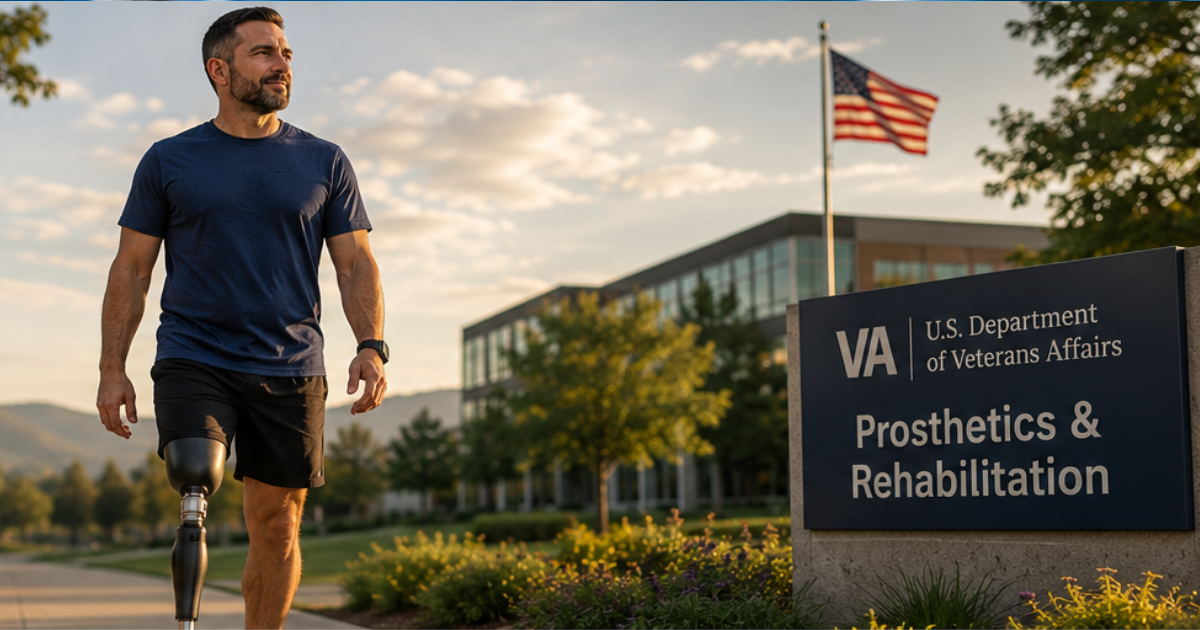
    The Department of Veterans Affairs has announced major improvements to the way prosthetic limbs are purchased and delivered, helping veterans receive essential mobility devices more quickly. The changes are expected to reduce delivery times by approximately 42%, significantly improving access to prosthetic care for thousands of veterans each year. 

    Previously, many prosthetic limb orders required additional contracting reviews before approval, creating delays that often extended delivery timelines by several weeks. Under the new process, approximately 95% of prosthetic limb orders no longer require those additional reviews, allowing local purchasing teams to work directly with approved suppliers. 

    VA officials estimate that average wait times could decrease from roughly 94 days to approximately 54 days as the updated process is fully implemented nationwide. Faster access means veterans can begin rehabilitation sooner and regain mobility more quickly after receiving their prosthetic devices. 

    Benefits of the updated process include:

    • Faster prosthetic delivery
    • Reduced administrative delays
    • Improved rehabilitation timelines
    • Better mobility outcomes
    • Enhanced veteran healthcare experiences

    The VA remains one of the largest providers of prosthetic and rehabilitation services in the world. Ongoing research and technology investments continue improving the quality and functionality of prosthetic devices available to veterans. 

    For veterans who rely on prosthetic limbs for daily activities, work, recreation, and independence, these improvements represent a meaningful step toward more responsive healthcare support.
     

  • VA Prosthetics Programs Help Veterans Regain Independence Through Advanced Rehabilitation Support

    VA Prosthetics Programs Help Veterans Regain Independence Through Advanced Rehabilitation Support

    Restoring Mobility Through Personalized Care

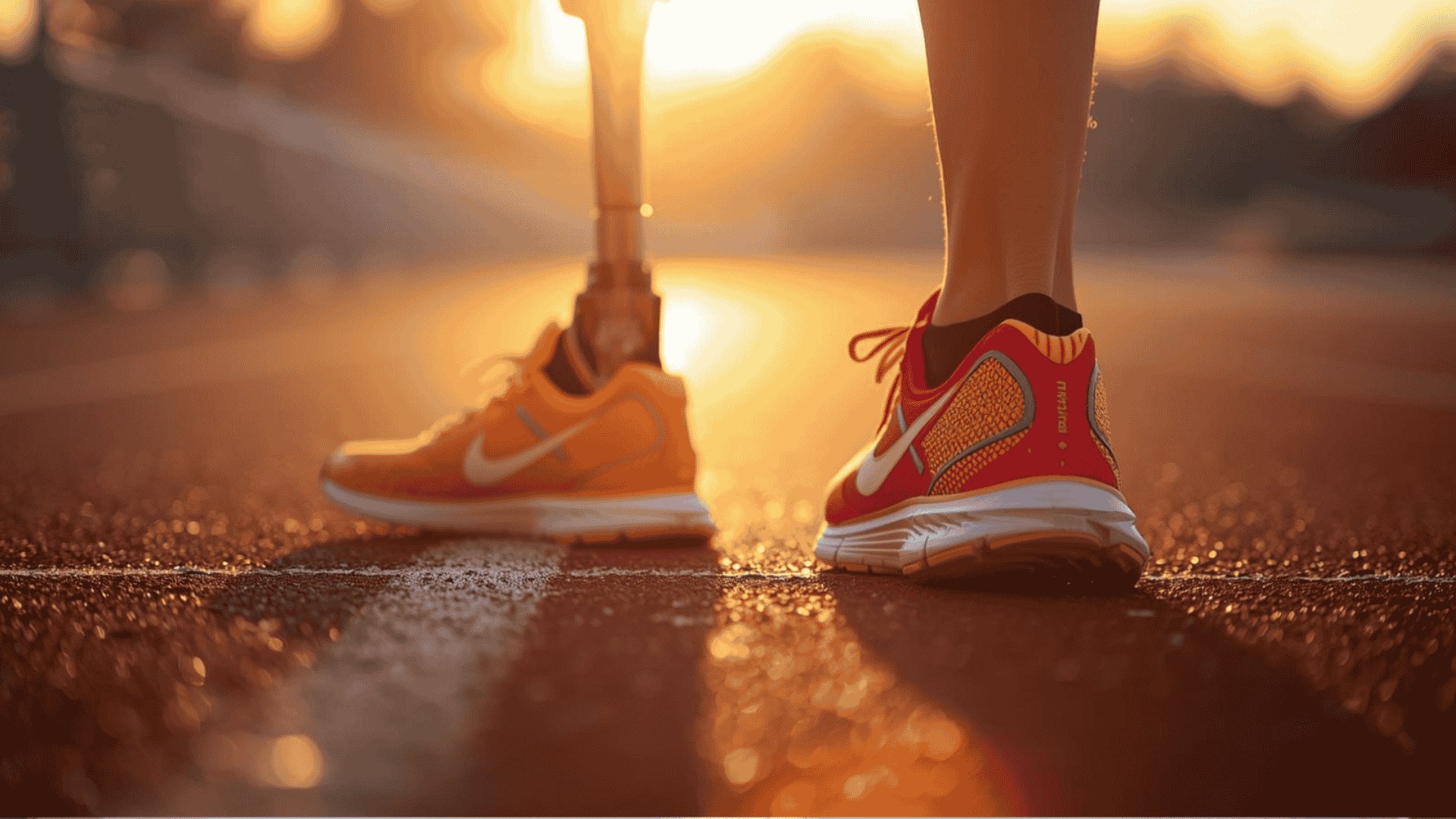
    Across the country, many Veterans rely on prosthetic services to rebuild daily routines after service-related injuries. Recent updates highlight how the Department of Veterans Affairs continues to strengthen rehabilitation programs by combining advanced technology with individualized treatment plans. Rather than focusing only on equipment, modern prosthetic care emphasizes long-term mobility goals, comfort, and lifestyle adaptability.

    Veterans often begin their journey with a detailed evaluation where specialists assess strength, balance, and personal objectives. From there, customized devices are introduced alongside rehabilitation therapy, helping individuals gradually regain confidence in movement. These programs aim to support not only physical recovery but also emotional resilience as Veterans adapt to new routines.

    Innovation Driving Better Outcomes

    Advancements in prosthetic design have significantly improved usability. Lightweight materials, digital modeling, and adaptive components allow devices to respond more naturally to movement patterns. Specialists can adjust fittings over time, ensuring that Veterans experience consistent support as their needs evolve.

    Beyond technology, collaboration between therapists, clinicians, and Veterans plays a major role in progress. Peer encouragement and structured therapy sessions often create a supportive environment where individuals feel motivated to push forward.

    Community Support and Long-Term Success

    Many Veterans describe prosthetic rehabilitation as a journey that extends beyond clinical care. Access to community programs, wellness initiatives, and ongoing training helps individuals maintain independence long after initial recovery. As VA programs continue to expand, the focus remains on helping Veterans return to activities that bring purpose and confidence back into daily life.