Tag: Homeless Veterans

  • Addressing Homelessness Among Aging Veterans: Growing Challenges and New Solutions

    Addressing Homelessness Among Aging Veterans: Growing Challenges and New Solutions

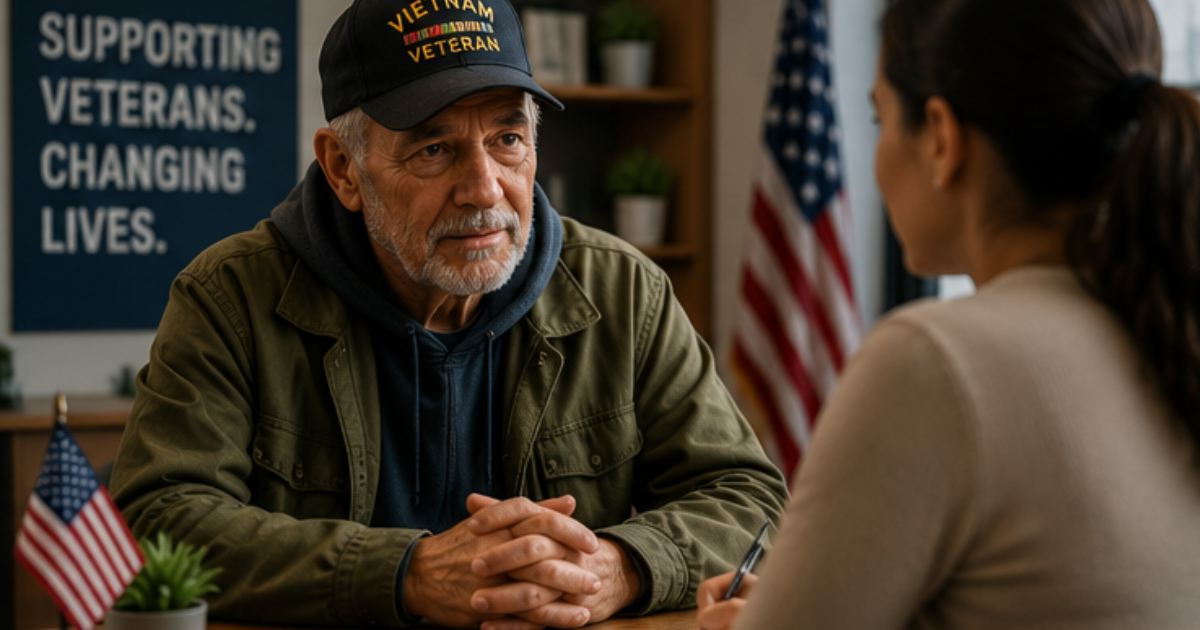
    As America’s veteran population continues to age, homelessness among older veterans has become an increasingly important issue for healthcare providers, community organizations, and government agencies. Older veterans often face unique challenges that differ from those experienced by younger individuals experiencing homelessness. 

    Many aging veterans struggle with chronic medical conditions, mobility limitations, mental health concerns, and fixed incomes that can make securing stable housing more difficult. These challenges often require specialized services beyond traditional homelessness assistance programs. 

    To address these growing needs, the VA has identified several key strategies aimed at improving outcomes for aging homeless veterans. These include expanded healthcare services, preventative care programs, medical respite services, hospice support, affordable housing initiatives, legal assistance, and data-driven decision-making to better identify at-risk veterans. 

    Key priorities include:

    • Expanding affordable housing options
    • Improving access to healthcare services
    • Increasing medical respite and hospice programs
    • Strengthening legal and support services
    • Enhancing homelessness prevention efforts
    • Using data and research to improve interventions

    Veteran homelessness remains a complex issue influenced by housing costs, healthcare access, economic challenges, disabilities, and social support systems. Many organizations continue working together to develop coordinated solutions that address both immediate housing needs and long-term stability. 

    Recent research suggests that proactive identification of veterans at risk of homelessness can help organizations intervene earlier and provide support before a housing crisis occurs. Emerging technologies and improved data systems are helping providers better understand risk factors and connect veterans with appropriate resources. 

    As the population of older veterans grows, continued investment in housing, healthcare, and support programs will remain essential for helping veterans maintain stability, independence, and quality of life.
     

  • Spiritual Care Programs Continue Supporting Homeless Veterans Beyond Housing

    Spiritual Care Programs Continue Supporting Homeless Veterans Beyond Housing

    Support programs for homeless and formerly unhoused veterans continue evolving beyond housing assistance by focusing more closely on emotional wellness, connection, and long-term recovery support.

    Spiritual care initiatives are becoming an increasingly important part of helping veterans rebuild stability and improve overall wellbeing. 

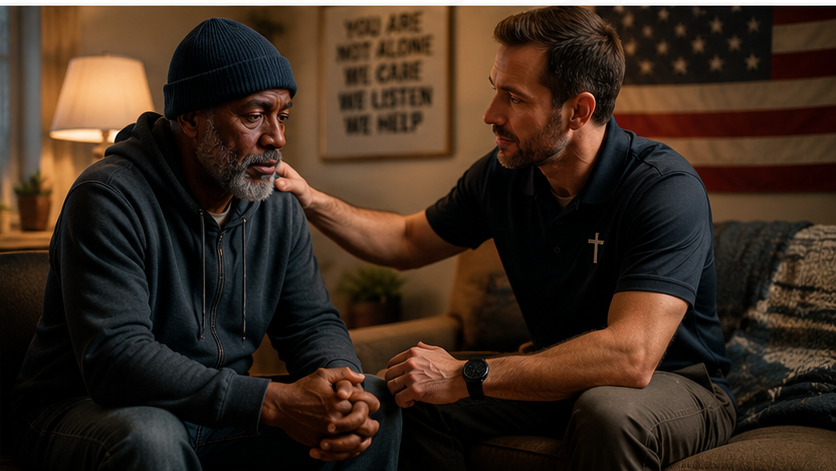
    Programs connected to veteran housing support efforts often recognize that recovery involves more than simply providing shelter. Emotional support, purpose, relationships, and personal connection also play important roles in long-term wellbeing.

    Research surrounding veteran housing programs has highlighted how spiritual support and community engagement may help improve quality of life for veterans transitioning out of homelessness. 

    Spiritual care support may include:

    • counseling and chaplain services
    • emotional wellness support
    • peer connection programs
    • community-building activities
    • grief and trauma support
    • wellness and recovery guidance

    Community organizations and veteran programs continue exploring ways to provide more holistic support systems that address both practical and emotional challenges.

    For some veterans, spiritual care may help restore a sense of meaning, dignity, and personal connection during difficult transitions.

    Healthcare and support professionals increasingly recognize that long-term recovery often requires attention to emotional and social wellbeing alongside housing and financial assistance.

    As more veteran-focused organizations expand holistic support programs, spiritual care continues becoming an important part of broader veteran wellness initiatives.