Tag: Community Support

  • Spiritual Care Programs Continue Supporting Homeless Veterans Beyond Housing

    Spiritual Care Programs Continue Supporting Homeless Veterans Beyond Housing

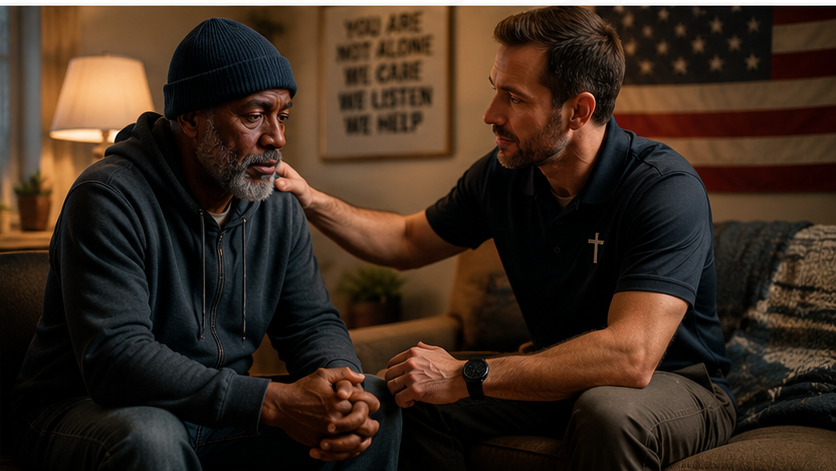
    Support programs for homeless and formerly unhoused veterans continue evolving beyond housing assistance by focusing more closely on emotional wellness, connection, and long-term recovery support.

    Spiritual care initiatives are becoming an increasingly important part of helping veterans rebuild stability and improve overall wellbeing. 

    Programs connected to veteran housing support efforts often recognize that recovery involves more than simply providing shelter. Emotional support, purpose, relationships, and personal connection also play important roles in long-term wellbeing.

    Research surrounding veteran housing programs has highlighted how spiritual support and community engagement may help improve quality of life for veterans transitioning out of homelessness. 

    Spiritual care support may include:

    • counseling and chaplain services
    • emotional wellness support
    • peer connection programs
    • community-building activities
    • grief and trauma support
    • wellness and recovery guidance

    Community organizations and veteran programs continue exploring ways to provide more holistic support systems that address both practical and emotional challenges.

    For some veterans, spiritual care may help restore a sense of meaning, dignity, and personal connection during difficult transitions.

    Healthcare and support professionals increasingly recognize that long-term recovery often requires attention to emotional and social wellbeing alongside housing and financial assistance.

    As more veteran-focused organizations expand holistic support programs, spiritual care continues becoming an important part of broader veteran wellness initiatives.


  • New VA Research Highlights Progress in Suicide Prevention and Veteran Support

    New VA Research Highlights Progress in Suicide Prevention and Veteran Support

    Supporting the mental health of Veterans has remained a top priority for the Department of Veterans Affairs, and recent updates from VA leadership show continued progress in suicide prevention efforts nationwide. While the topic is complex and deeply personal, new data and expanded outreach programs are helping shape a clearer path forward — one built on research, connection, and community support.

    Over the past several years, the VA has strengthened its approach to suicide prevention by combining data analysis, expanded clinical resources, and community partnerships. The latest updates emphasize that prevention is not a single program but a network of initiatives designed to reach Veterans wherever they are — whether inside VA facilities, at home, or within local communities.

    Understanding the Bigger Picture

    Mental health challenges among Veterans are influenced by many factors, including the transition to civilian life, physical injuries, and changes in social support systems. Recognizing this complexity, the VA has expanded its research and outreach strategies to better understand risk patterns and develop targeted interventions.

    Recent findings highlight that early connection and ongoing engagement play a major role in reducing risk. Programs now focus on identifying Veterans who may be vulnerable and ensuring they receive timely outreach, counseling resources, and follow-up support.

    Rather than relying solely on clinical treatment after a crisis occurs, the VA’s approach increasingly emphasizes prevention — encouraging Veterans to connect with peers, attend community programs, and access mental health services before challenges escalate.

    Expanding Community-Based Outreach

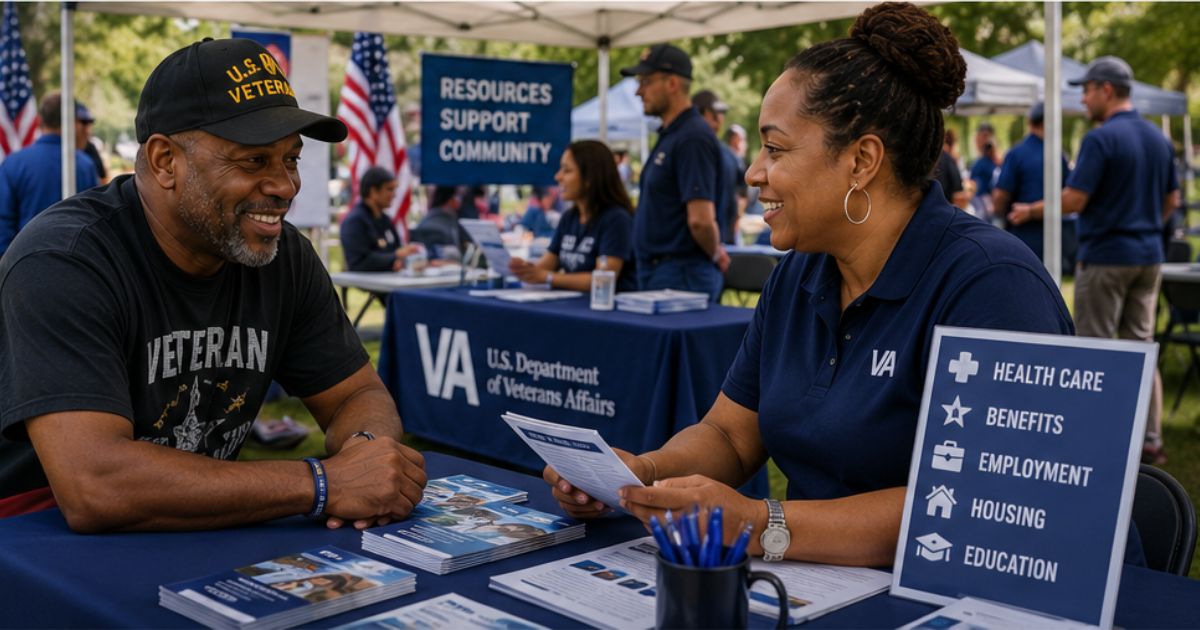
    One of the most significant shifts in recent years has been the expansion of community-based initiatives. These programs aim to meet Veterans where they already live and work, making support more accessible outside traditional clinical settings.

    Community partnerships with local organizations, Veteran groups, and advocacy networks help spread awareness of available resources. Educational campaigns encourage family members and friends to recognize warning signs and start supportive conversations — reinforcing the idea that suicide prevention is a shared responsibility.

    The VA has also introduced new training programs that teach individuals how to identify signs of emotional distress and connect Veterans with professional help. By empowering communities with knowledge, these initiatives aim to build a broader safety net for those who may be struggling silently.

    Technology and Data Driving Change

    Advances in technology have also played a role in shaping modern prevention strategies. By analyzing trends across large data sets, researchers can identify patterns that help guide outreach efforts and resource allocation.

    This data-driven approach allows the VA to focus on proactive solutions rather than reactive ones. For example, predictive analytics can help prioritize follow-ups for Veterans who may benefit from additional support, ensuring that no one feels overlooked.

    At the same time, digital tools — including online resources, virtual counseling, and AI-driven guidance platforms — are making it easier for Veterans to explore options privately and at their own pace.

    The Role of Peer Support

    While clinical care remains essential, many Veterans say that peer connection is one of the most powerful forms of support. Shared experiences often create an environment where conversations feel more natural and less intimidating.

    Programs that encourage Veteran-to-Veteran engagement — from local meetups to online forums and webinars — help build a sense of belonging that can reduce feelings of isolation. These spaces allow individuals to share advice, discuss challenges, and celebrate milestones together.

    For many Veterans, simply knowing that others understand their experiences can make a meaningful difference.

    Looking Ahead

    The VA continues to refine its suicide prevention strategy by combining research insights with real-world feedback from Veterans and their families. New initiatives are expected to focus on expanding mental health services, improving accessibility, and strengthening partnerships with community organizations.

    Although progress takes time, the ongoing commitment to innovation and collaboration reflects a broader goal: ensuring that every Veteran has access to support, connection, and hope.

    For Veterans and loved ones, the message is clear — help is available, and reaching out is a sign of strength, not weakness. By continuing to invest in prevention programs and community engagement, the VA aims to create a future where fewer Veterans face these challenges alone.
  • National Salute to Veteran Patients Week: Honoring Veterans with Compassion and Community

    National Salute to Veteran Patients Week: Honoring Veterans with Compassion and Community

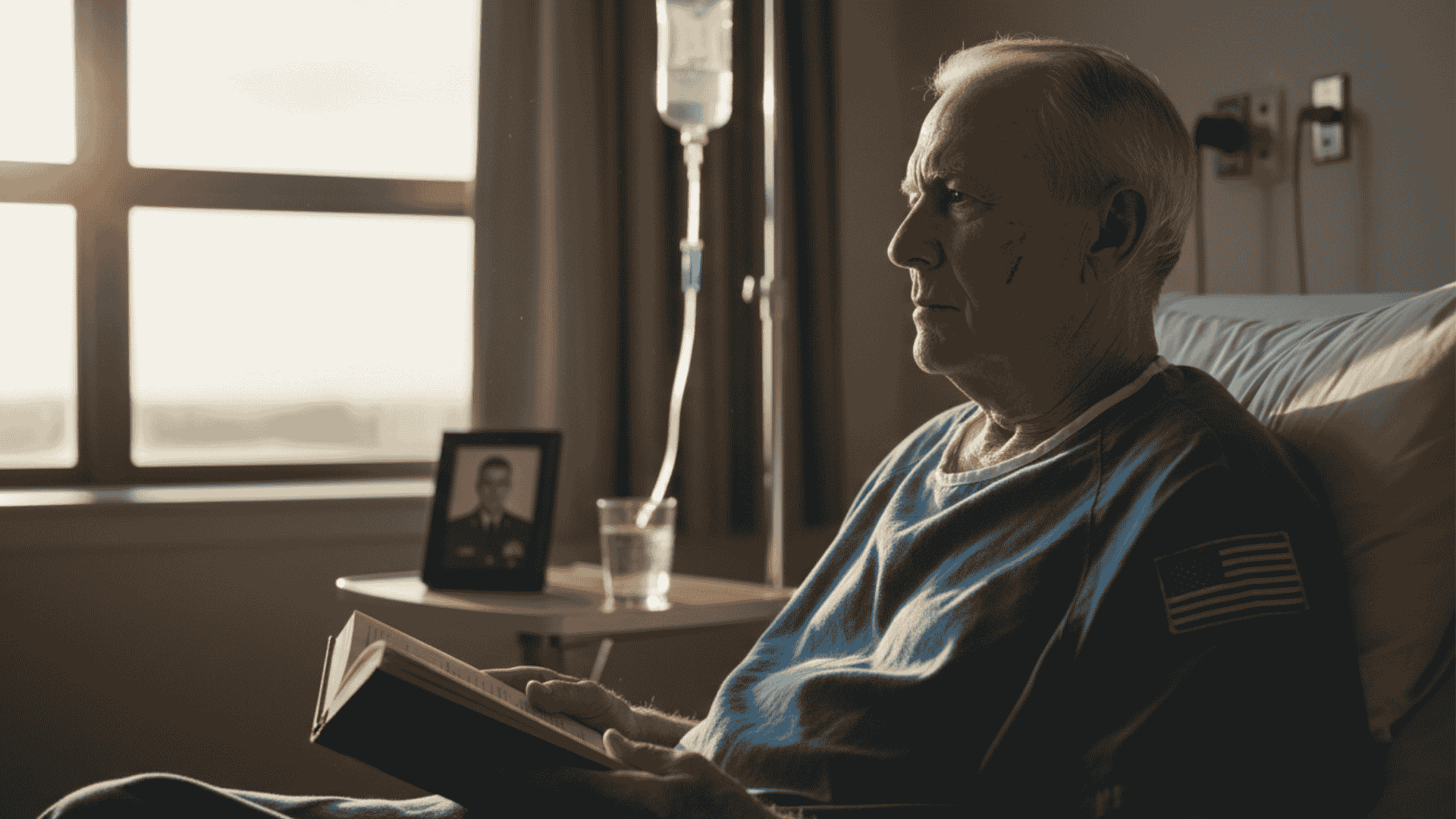
    From February 8–14, 2026, VA medical centers across the United States are inviting communities to come together in honor of National Salute to Veteran Patients Week — a longstanding tradition that expresses gratitude, support, and respect for hospitalized Veterans. 

    For more than four decades, this designated week has served as a moment for community members, families, and volunteers to uplift hospitalized Veterans through compassionate gestures — from delivering Valentine’s cards and small gifts to offering help around medical facilities. 

    The initiative reinforces a simple but powerful message: Veterans should know they are appreciated not only for their service but also for who they are as individuals. Activities during the week include volunteer visits, heart-shaped decorations, thoughtful cards, and small events that bring joy and human connection to Veterans receiving care.

    How You Can Get Involved

    You don’t need to be a professional caregiver or medical staff to make a difference. National Salute to Veteran Patients Week thrives on community participation. Here are a few ways to get involved:

    • Volunteer your time at your local VA medical center

    • Send Valentine’s cards to Veteran patients

    • Spread awareness among friends and local groups

    • Support local VA events during the week

    These efforts bring attention to the importance of compassionate care and strengthen the connections between Veterans and their communities. 

    Veterans and families benefit not only from medical support but from the sense of belonging and recognition that community engagement fosters.


  • How Gaming is Supporting Veteran Wellness Through the REVEAL Program

    How Gaming is Supporting Veteran Wellness Through the REVEAL Program

    When you imagine mental health support for Veterans, dice and fantasy maps might not be the first things that come to mind. But at the Orlando VA Healthcare System, that’s exactly what’s helping some Veterans reconnect, build trust, and find support in a fresh and powerful way. 

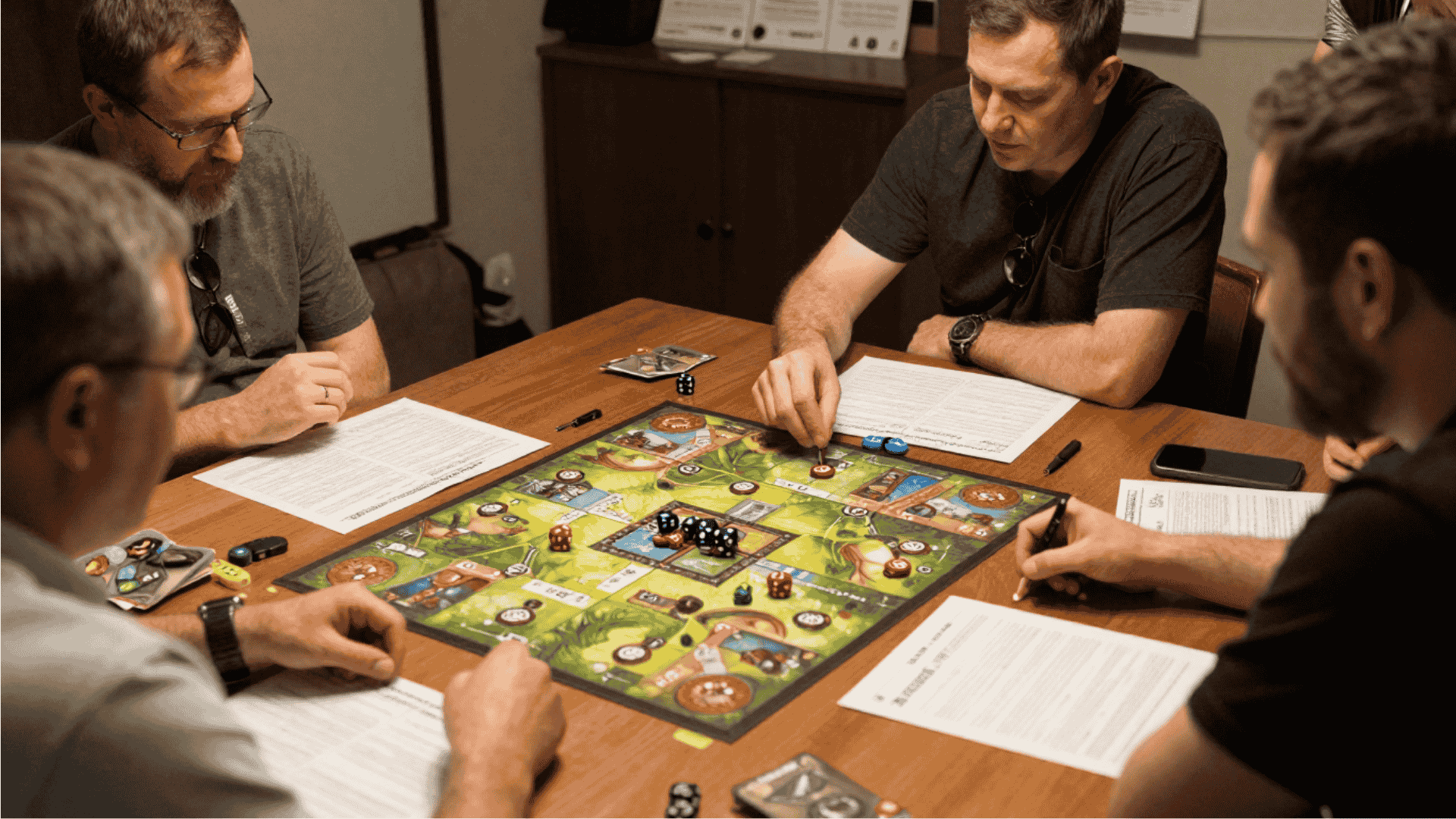
    The role-playing game Dungeons & Dragons (D&D) has become a central part of the REVEAL Program — short for Reimagining Veterans’ Emotions, Actions, and Life Skills — a growing initiative that uses tabletop gaming to promote wellness through creativity and teamwork.

    Unexpected Tools, Real Impact

    At first glance, tabletop gaming might seem like entertainment. But for many Veterans, the REVEAL sessions — held twice a month at the Orlando VA’s Mental Health Conference Room — offer something deeper: a chance to connect without pressure, build communication skills, and work together toward shared goals. 

    Veterans participating in the program form characters, plan actions, solve problems, and share stories in a supportive group setting — all while navigating a fantasy story world. The mechanics of D&D encourage teamwork and confidence, but the emotional benefits extend well beyond the game board.

    From Isolation to Interaction

    For many Veterans, transitioning out of military service can be isolating. The REVEAL Program offers a peer-driven environment where participants are free to express themselves, learn from others, and build trust at their own pace. 

    Victor Mitchell, Navy Veteran and program lead, has personally felt that transformation. After decades of gaming helped pull him through his own toughest times, he knew similar experiences could support his fellow Veterans. “It’s not just a game,” Mitchell said. “It’s about reconnecting through creativity and building community. When people feel seen and supported, real healing begins.”

    Why It Works

    The REVEAL Program meets in a non-clinical, welcoming space where Veterans are invited to participate rather than prescribed therapy. The structure of tabletop role-playing helps with:

    • Communication and social interaction

    • Thinking creatively and collaboratively

    • Reducing feelings of isolation

    • Establishing friendships and mutual support networks 

    These shared experiences — guided by storytelling and strategy — provide opportunities for connection that traditional models sometimes miss.

    A Model Worth Sharing

    Mitchell hopes the success seen in Orlando will inspire similar initiatives across the VA system. “Gaming breaks down barriers,” he said. “It creates community without forcing Veterans to relive painful memories. When we listen to what engages Veterans and build programs around that, the impact is profound.” 

    The REVEAL Program reminds us that support can be creative, community-focused, and rooted in shared experiences that build strength rather than demand vulnerability.