Blog

  • What Is the VA 5 Year Rule?

    What Is the VA 5 Year Rule?

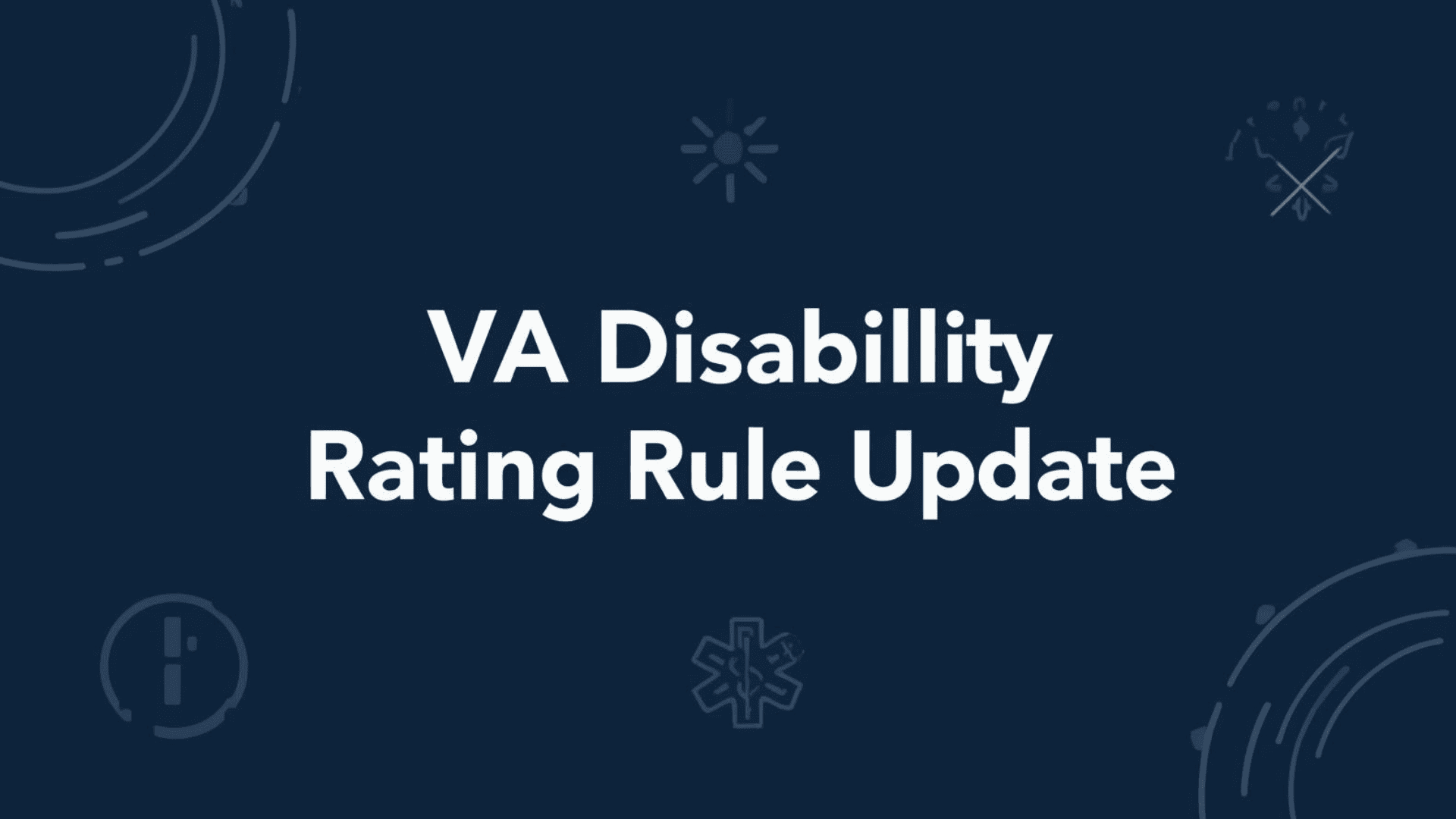
    For many Veterans receiving disability compensation, one common concern is whether their rating can be reduced over time. The VA 5 year rule is one of several protections designed to help provide stability — but it’s often misunderstood.

    Simply put, this rule limits when and how the Department of Veterans Affairs can lower a disability rating after it has remained in place for five years. Understanding how it works can help Veterans feel more confident about their benefits and know what to expect moving forward.

    Understanding the VA 5 Year Rule

    The VA 5 year rule applies when a disability rating has been continuously in effect for at least five years. After that point, the VA must meet a higher standard before reducing the rating. This doesn’t mean a reduction is impossible, but it does mean the VA must show clear and sustained improvement in the Veteran’s condition.

    Before any change can happen, the VA typically reviews medical records, examinations, and treatment history. A single improvement or short-term change is usually not enough. Instead, the VA looks for consistent evidence that the condition has genuinely improved under ordinary life conditions.

    This added layer of review helps prevent sudden rating reductions based on temporary improvements or incomplete medical information.

    Why the Rule Exists

    Disability ratings are meant to reflect long-term health conditions that affect a Veteran’s daily life. Many injuries or illnesses fluctuate over time, and symptoms can vary from month to month.

    The 5 year rule helps protect Veterans from frequent reassessments or unexpected changes that could create financial instability. By requiring stronger evidence before lowering a rating, the VA aims to balance fair evaluations with consistency for those receiving benefits.

    For Veterans, this means that once a rating has remained stable for five years, there is generally more security built into the process.

    When Can the VA Reduce a Rating?

    Even with the 5 year rule in place, reductions can still happen in certain situations. The VA may consider lowering a rating if medical examinations show sustained improvement that is likely to continue in everyday conditions — not just during a single appointment.

    For example, if long-term treatment leads to significant improvement and medical records consistently reflect that progress, the VA may review whether the current rating still matches the level of disability.

    However, Veterans are usually notified before any reduction takes effect. This gives them the opportunity to respond, submit additional medical evidence, or request a hearing if needed.

    How the VA 5 Year Rule Fits With Other Protections

    The 5 year rule is just one part of a broader system designed to protect disability ratings. Other guidelines, such as the 10 year and 20 year rules, provide additional layers of protection depending on how long a Veteran has held a rating.

    Together, these rules help create a structured framework that balances ongoing evaluations with long-term stability. Knowing where your rating stands within these timelines can make it easier to understand your rights and responsibilities.

    Why Understanding the Rule Matters

    Many Veterans worry about unexpected benefit changes, especially if they receive a notice for a re-evaluation exam. Learning how the VA 5 year rule works can ease some of that uncertainty.

    Instead of assuming that every review means a reduction is coming, Veterans can focus on understanding the process and staying informed about their medical records. Keeping documentation organized and attending scheduled examinations can also help ensure that the VA has a complete picture of a Veteran’s condition.

    Final Thoughts

    The VA 5 year rule is designed to provide a level of protection for Veterans whose disability ratings have remained consistent over time. While it doesn’t completely prevent reductions, it does require the VA to demonstrate clear, sustained improvement before making changes.

    For Veterans navigating disability benefits, understanding this rule can help remove confusion and provide reassurance about how the system works. Staying informed is one of the most effective ways to feel confident in your benefits and prepared for any future evaluations.


  • Telehealth Therapy Shows Promising Results for Veteran Mental Health

    Telehealth Therapy Shows Promising Results for Veteran Mental Health

    Recent VA research highlights how telehealth therapy programs are helping Veterans build stronger coping skills and reduce feelings of hopelessness. Clinical telehealth initiatives focus on improving emotional resilience while making mental health care more accessible to those who may not visit traditional facilities.

    Improving Accessibility and Comfort

    Many Veterans find virtual therapy sessions less intimidating than in-person appointments. The ability to connect with clinicians from a familiar environment encourages honest conversations and consistent participation. This accessibility can be especially valuable for individuals managing anxiety, depression, or trauma-related stress.

    Combining Technology With Human Support

    Despite the use of digital platforms, human connection remains central to telehealth therapy. Counselors guide structured conversations, provide coping strategies, and help Veterans develop long-term mental wellness plans. Early results suggest that participants experience improvements in self-confidence and emotional stability.

    Moving Toward a Hybrid Care Model

    As telehealth continues to grow, the VA is exploring hybrid care models that combine in-person and virtual sessions. This flexible approach allows Veterans to choose the format that best fits their lifestyle while maintaining consistent access to support.

  • Mission Daybreak Innovation Challenge Drives New Suicide Prevention Solutions

    Mission Daybreak Innovation Challenge Drives New Suicide Prevention Solutions

    The VA continues to explore creative approaches to suicide prevention through initiatives like Mission Daybreak — a challenge designed to encourage researchers, entrepreneurs, and community organizations to develop new solutions that support Veteran wellness.

    Turning Ideas Into Real-World Solutions

    Winning teams focus on projects ranging from digital support tools to peer-connection platforms. Many initiatives aim to help Veterans identify early warning signs and access resources more easily. By supporting innovation outside traditional clinical settings, the VA hopes to reach Veterans who might otherwise hesitate to seek help.

    Collaboration Across Communities

    Programs like Mission Daybreak highlight the importance of collaboration. Veterans, clinicians, technology experts, and advocates work together to design solutions that address real-world challenges. This approach ensures that new ideas reflect lived experiences and practical needs rather than theoretical concepts alone.

    A Future Focused on Prevention

    The challenge represents a broader shift toward proactive mental health care — emphasizing prevention, awareness, and accessible resources. As these projects continue to evolve, they may shape the next generation of Veteran support programs.

  • Telehealth Programs Expand Mental Health Support for Rural Veterans

    Telehealth Programs Expand Mental Health Support for Rural Veterans

    Millions of Veterans live in rural communities where access to health care can be limited. To address these challenges, the VA continues to expand telehealth programs designed to connect Veterans with mental health professionals regardless of location. Enhanced digital care options help reduce barriers such as long travel distances and scheduling difficulties.

    Addressing Risk Factors in Rural Areas

    Studies show that rural Veterans may face unique stressors, including isolation and limited access to services. Telehealth initiatives aim to provide consistent contact with clinicians, allowing Veterans to receive counseling, check-ins, and therapy sessions from home. By removing physical distance as a barrier, these programs encourage earlier intervention and continuous support.

    Suicide Prevention Through Early Connection

    Mental health professionals emphasize that early engagement plays a key role in suicide prevention. Telehealth platforms allow Veterans to seek help before challenges escalate, offering a confidential space to discuss concerns. Educational campaigns also promote safe environments at home and encourage families to participate in supportive conversations.

    The Future of Digital Care

    As technology evolves, telehealth programs are expected to integrate additional tools such as virtual group therapy sessions and AI-assisted risk assessments. These advancements aim to strengthen prevention efforts while ensuring Veterans feel connected to real people and meaningful support networks.

  • VA Research Advances New Treatments in Cancer Care, Mobility Technology and Neurological Health

    VA Research Advances New Treatments in Cancer Care, Mobility Technology and Neurological Health

    Recent updates from the VA Office of Research and Development show how innovation continues to shape the future of Veteran health care. Researchers are exploring improvements in cancer treatment, robotic mobility tools, and therapies targeting neurological conditions such as Parkinson’s disease. These efforts reflect VA’s broader commitment to translating scientific discoveries into real-world solutions that improve everyday quality of life. 

    Clinical trials and research programs conducted across VA facilities allow scientists to test new approaches directly with Veteran populations. Because many Veterans share unique environmental exposures and medical histories, research findings can provide valuable insights that influence care both inside and outside the VA system.

    Technology Driving Mobility and Independence

    One major focus area involves advanced mobility solutions. Researchers are studying robotic wheelchair systems designed to enhance navigation and independence. These devices use sensors and adaptive technology to help Veterans move more safely in crowded or unfamiliar environments.

    Mobility innovation goes beyond hardware. Rehabilitation specialists collaborate with engineers to ensure new tools support physical therapy goals, allowing Veterans to maintain independence while recovering from injury or managing chronic conditions.

    Cancer Care and Precision Medicine

    Another area receiving attention is cancer research. Scientists are working to develop more personalized treatment strategies that consider genetic factors, environmental exposure, and lifestyle patterns. By understanding how different risk factors affect Veterans, clinicians can design therapies that target disease more precisely and reduce unnecessary side effects.

    The VA’s extensive research network allows investigators to gather data from large Veteran populations, helping them identify trends that may not appear in smaller studies. This approach supports the development of therapies that are both effective and practical for real-world health care settings.

    Looking Ahead

    Research updates like these highlight the VA’s role as a national leader in medical innovation. As new discoveries move from laboratories into clinics, Veterans may benefit from improved treatment options, smarter rehabilitation tools, and more personalized care pathways.


  • Data-Driven Strategies and Community Partnerships Continue Progress Toward Ending Veteran Homelessness

    Data-Driven Strategies and Community Partnerships Continue Progress Toward Ending Veteran Homelessness

    A Coordinated Approach to Housing Stability

    Efforts to reduce Veteran homelessness continue to evolve through collaboration between federal agencies, community organizations, and local advocates. Recent updates emphasize how data tracking and coordinated outreach programs are helping identify Veterans who need immediate housing support while guiding long-term planning.

    Housing programs today focus on more than temporary shelter. Veterans often receive access to employment resources, health services, and counseling designed to create sustainable stability. These combined services help individuals rebuild routines and maintain independence.

    Technology Improving Outreach and Support

    Real-time data systems now allow support teams to monitor housing placements and respond quickly when challenges arise. By understanding trends and regional needs, organizations can allocate resources more effectively and ensure that Veterans remain connected to assistance programs.

    While progress continues, rising housing costs and economic shifts present ongoing challenges. Leaders emphasize that consistent investment and community involvement remain essential to maintaining momentum.

    Building a Future of Stability and Opportunity

    For many Veterans, housing support represents a turning point — an opportunity to rebuild confidence and reconnect with community. By combining human-centered outreach with data-driven insights, support programs aim to create lasting solutions that extend beyond short-term assistance.

  • VA Prosthetics Programs Help Veterans Regain Independence Through Advanced Rehabilitation Support

    VA Prosthetics Programs Help Veterans Regain Independence Through Advanced Rehabilitation Support

    Restoring Mobility Through Personalized Care

    Across the country, many Veterans rely on prosthetic services to rebuild daily routines after service-related injuries. Recent updates highlight how the Department of Veterans Affairs continues to strengthen rehabilitation programs by combining advanced technology with individualized treatment plans. Rather than focusing only on equipment, modern prosthetic care emphasizes long-term mobility goals, comfort, and lifestyle adaptability.

    Veterans often begin their journey with a detailed evaluation where specialists assess strength, balance, and personal objectives. From there, customized devices are introduced alongside rehabilitation therapy, helping individuals gradually regain confidence in movement. These programs aim to support not only physical recovery but also emotional resilience as Veterans adapt to new routines.

    Innovation Driving Better Outcomes

    Advancements in prosthetic design have significantly improved usability. Lightweight materials, digital modeling, and adaptive components allow devices to respond more naturally to movement patterns. Specialists can adjust fittings over time, ensuring that Veterans experience consistent support as their needs evolve.

    Beyond technology, collaboration between therapists, clinicians, and Veterans plays a major role in progress. Peer encouragement and structured therapy sessions often create a supportive environment where individuals feel motivated to push forward.

    Community Support and Long-Term Success

    Many Veterans describe prosthetic rehabilitation as a journey that extends beyond clinical care. Access to community programs, wellness initiatives, and ongoing training helps individuals maintain independence long after initial recovery. As VA programs continue to expand, the focus remains on helping Veterans return to activities that bring purpose and confidence back into daily life.

  • New VA Research Highlights Progress in Suicide Prevention and Veteran Support

    New VA Research Highlights Progress in Suicide Prevention and Veteran Support

    Supporting the mental health of Veterans has remained a top priority for the Department of Veterans Affairs, and recent updates from VA leadership show continued progress in suicide prevention efforts nationwide. While the topic is complex and deeply personal, new data and expanded outreach programs are helping shape a clearer path forward — one built on research, connection, and community support.

    Over the past several years, the VA has strengthened its approach to suicide prevention by combining data analysis, expanded clinical resources, and community partnerships. The latest updates emphasize that prevention is not a single program but a network of initiatives designed to reach Veterans wherever they are — whether inside VA facilities, at home, or within local communities.

    Understanding the Bigger Picture

    Mental health challenges among Veterans are influenced by many factors, including the transition to civilian life, physical injuries, and changes in social support systems. Recognizing this complexity, the VA has expanded its research and outreach strategies to better understand risk patterns and develop targeted interventions.

    Recent findings highlight that early connection and ongoing engagement play a major role in reducing risk. Programs now focus on identifying Veterans who may be vulnerable and ensuring they receive timely outreach, counseling resources, and follow-up support.

    Rather than relying solely on clinical treatment after a crisis occurs, the VA’s approach increasingly emphasizes prevention — encouraging Veterans to connect with peers, attend community programs, and access mental health services before challenges escalate.

    Expanding Community-Based Outreach

    One of the most significant shifts in recent years has been the expansion of community-based initiatives. These programs aim to meet Veterans where they already live and work, making support more accessible outside traditional clinical settings.

    Community partnerships with local organizations, Veteran groups, and advocacy networks help spread awareness of available resources. Educational campaigns encourage family members and friends to recognize warning signs and start supportive conversations — reinforcing the idea that suicide prevention is a shared responsibility.

    The VA has also introduced new training programs that teach individuals how to identify signs of emotional distress and connect Veterans with professional help. By empowering communities with knowledge, these initiatives aim to build a broader safety net for those who may be struggling silently.

    Technology and Data Driving Change

    Advances in technology have also played a role in shaping modern prevention strategies. By analyzing trends across large data sets, researchers can identify patterns that help guide outreach efforts and resource allocation.

    This data-driven approach allows the VA to focus on proactive solutions rather than reactive ones. For example, predictive analytics can help prioritize follow-ups for Veterans who may benefit from additional support, ensuring that no one feels overlooked.

    At the same time, digital tools — including online resources, virtual counseling, and AI-driven guidance platforms — are making it easier for Veterans to explore options privately and at their own pace.

    The Role of Peer Support

    While clinical care remains essential, many Veterans say that peer connection is one of the most powerful forms of support. Shared experiences often create an environment where conversations feel more natural and less intimidating.

    Programs that encourage Veteran-to-Veteran engagement — from local meetups to online forums and webinars — help build a sense of belonging that can reduce feelings of isolation. These spaces allow individuals to share advice, discuss challenges, and celebrate milestones together.

    For many Veterans, simply knowing that others understand their experiences can make a meaningful difference.

    Looking Ahead

    The VA continues to refine its suicide prevention strategy by combining research insights with real-world feedback from Veterans and their families. New initiatives are expected to focus on expanding mental health services, improving accessibility, and strengthening partnerships with community organizations.

    Although progress takes time, the ongoing commitment to innovation and collaboration reflects a broader goal: ensuring that every Veteran has access to support, connection, and hope.

    For Veterans and loved ones, the message is clear — help is available, and reaching out is a sign of strength, not weakness. By continuing to invest in prevention programs and community engagement, the VA aims to create a future where fewer Veterans face these challenges alone.

  • VA Invests $4.8 Billion to Modernize Health Care Facilities — What Veterans Should Know

    VA Invests $4.8 Billion to Modernize Health Care Facilities — What Veterans Should Know

    Across the country, many Veterans rely on VA medical centers not just for treatment, but for long-term health support, rehabilitation, and specialized care. In 2026, the Department of Veterans Affairs announced one of its largest infrastructure investments yet — a move designed to improve safety, modernize facilities, and strengthen health services nationwide.

    The initiative includes nearly $4.8 billion dedicated to upgrading health care infrastructure, marking the largest single-year investment through the VA’s Non-Recurring Maintenance program. These funds will go toward repairing aging buildings, replacing outdated equipment, and improving medical spaces so Veterans receive care in environments that match modern clinical standards.

    Why Infrastructure Matters More Than Most People Think

    For many Veterans, a hospital visit is more than a routine appointment — it’s a connection to trusted providers and specialized services tailored to military-related health needs. Over time, however, facilities require upgrades to keep up with medical advancements and patient demand.

    The VA’s modernization effort focuses on projects that are not part of routine maintenance. Instead, the program supports major repairs and upgrades that help facilities remain operational and ready for future health care challenges. 

    That could mean renovating surgical spaces, improving accessibility features, upgrading heating and electrical systems, or modernizing patient areas to make visits more comfortable and efficient.

    Supporting a Growing Veteran Population

    As the needs of Veterans evolve, so must the spaces where care is delivered. Many VA medical centers were built decades ago, and while they continue to provide vital services, new technology and treatment approaches require updated environments.

    The latest investment signals a broader effort to strengthen the Veterans Health Administration’s long-term readiness. By modernizing infrastructure today, the VA hopes to reduce disruptions tomorrow — ensuring that facilities remain reliable even as demand increases.

    This approach is especially important as new programs expand access to care. For example, the VA recently increased support for Veterans receiving in-home and community-based services, helping those with complex medical conditions remain in their homes while receiving high-quality care. 

    Infrastructure improvements at medical centers help complement these programs by ensuring backup services and advanced treatment options remain available when needed.

    A Focus on Safety and Quality

    Beyond aesthetics, many modernization projects are designed to enhance safety. Updated equipment and facility repairs can reduce delays, improve infection control, and create smoother workflows for medical staff.

    These improvements also reflect feedback from Veterans themselves. Over the years, patient surveys and internal assessments have highlighted the importance of modern spaces that feel welcoming and efficient. Investing in infrastructure allows the VA to address these concerns directly — not just through policy changes but through physical improvements that Veterans can see and experience.

    Mental Health and Community Care Remain Priorities

    Infrastructure upgrades don’t exist in isolation. They are part of a broader effort to strengthen the overall Veteran care system, including mental health services and suicide prevention initiatives.

    Recent reports show that suicide prevention continues to be a major clinical focus, with the VA analyzing data trends to improve outreach and support strategies for at-risk Veterans. 

    Improved facilities — from counseling rooms to community support spaces — help create environments where Veterans feel more comfortable seeking help.

    What Veterans Can Expect Next

    While large investments take time to implement, many projects will begin rolling out through 2026 and beyond. Veterans may notice renovations, equipment upgrades, or expanded service areas at their local VA medical centers.

    The goal is not just to repair buildings, but to create a health care system that feels modern, responsive, and prepared for the future.

    For Veterans and their families, this investment represents more than construction — it reflects a commitment to improving the quality of care and ensuring that health services evolve alongside the people they serve.

    The Bigger Picture

    Health care is constantly changing, and the VA’s decision to invest billions into modernization highlights a long-term vision: stronger facilities, better patient experiences, and improved clinical outcomes.

    As new programs expand access to care at home and within communities, updated infrastructure will play a key role in supporting those services. Together, these efforts signal a continued focus on innovation, accessibility, and the well-being of Veterans nationwide.


  • Veterans and Heart Health: New Findings from the Million Veteran Program

    Veterans and Heart Health: New Findings from the Million Veteran Program

    Heart disease remains the leading cause of death in the United States — a reality that impacts Veterans as much as the general population. In response, the VA’s Million Veteran Program (MVP) is conducting groundbreaking research aimed at understanding how lifestyle factors influence cardiovascular health among Veterans. 

    The MVP study highlights a surprising connection between certain dietary choices and heart health outcomes. Researchers discovered that Veterans who reported consuming dark chocolate, yogurt, and whole nuts at least occasionally tended to have better cardiovascular outcomes compared to those who did not report these habits.

    What the Findings Mean

    While these findings don’t replace medical advice, they add to a growing body of evidence suggesting that balanced nutrition plays a role in heart health. Incorporating nutrient-rich foods like yogurt (which may support gut health), dark chocolate (in moderation), and nuts (a source of healthy fats and protein) could be one small part of a broader heart health strategy. 

    Heart disease prevention typically involves a combination of factors — including regular physical activity, healthy dietary habits, stress management, and proper medical care. The MVP research contributes to this understanding by offering Veteran-centric insights backed by one of the largest health cohorts in the nation.

    Why This Matters for Veterans

    For many Veterans managing multiple health priorities, learning about approachable, evidence-based wellness habits can make daily life feel more empowering. While no single food guarantees prevention, understanding how diet may influence heart health helps Veterans make informed lifestyle decisions in collaboration with healthcare providers. 

    The Million Veteran Program’s research continues to show how data collected from real Veterans can translate into real wellness insights — reminding us that health empowerment and scientific discovery go hand in hand.