Category: Veterans News

  • Spiritual Care Programs Continue Supporting Homeless Veterans Beyond Housing

    Spiritual Care Programs Continue Supporting Homeless Veterans Beyond Housing

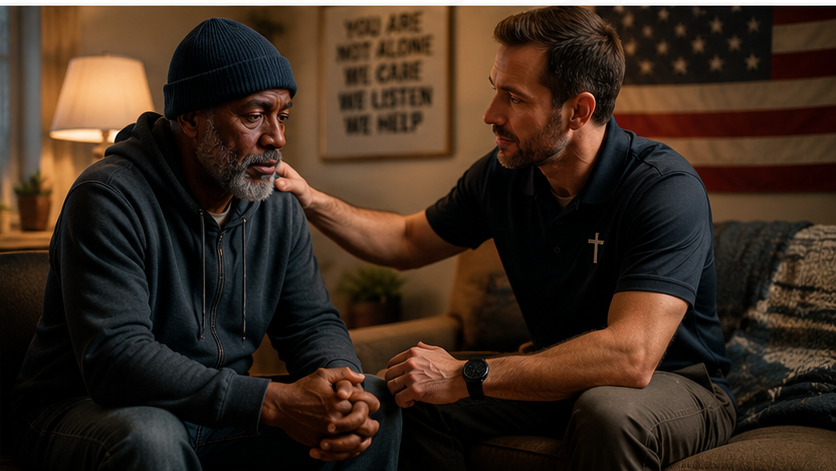
    Support programs for homeless and formerly unhoused veterans continue evolving beyond housing assistance by focusing more closely on emotional wellness, connection, and long-term recovery support.

    Spiritual care initiatives are becoming an increasingly important part of helping veterans rebuild stability and improve overall wellbeing. 

    Programs connected to veteran housing support efforts often recognize that recovery involves more than simply providing shelter. Emotional support, purpose, relationships, and personal connection also play important roles in long-term wellbeing.

    Research surrounding veteran housing programs has highlighted how spiritual support and community engagement may help improve quality of life for veterans transitioning out of homelessness. 

    Spiritual care support may include:

    • counseling and chaplain services
    • emotional wellness support
    • peer connection programs
    • community-building activities
    • grief and trauma support
    • wellness and recovery guidance

    Community organizations and veteran programs continue exploring ways to provide more holistic support systems that address both practical and emotional challenges.

    For some veterans, spiritual care may help restore a sense of meaning, dignity, and personal connection during difficult transitions.

    Healthcare and support professionals increasingly recognize that long-term recovery often requires attention to emotional and social wellbeing alongside housing and financial assistance.

    As more veteran-focused organizations expand holistic support programs, spiritual care continues becoming an important part of broader veteran wellness initiatives.


  • Women Veterans: VA Outreach and Support Services Are Expanding Nationwide

    Women Veterans: VA Outreach and Support Services Are Expanding Nationwide

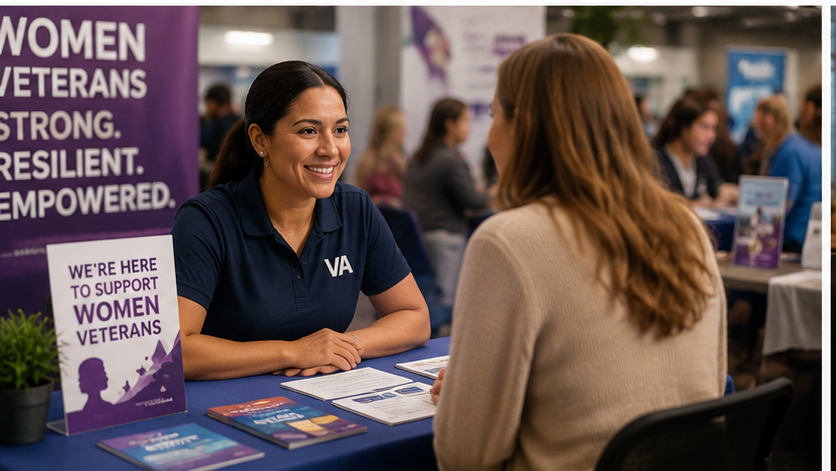
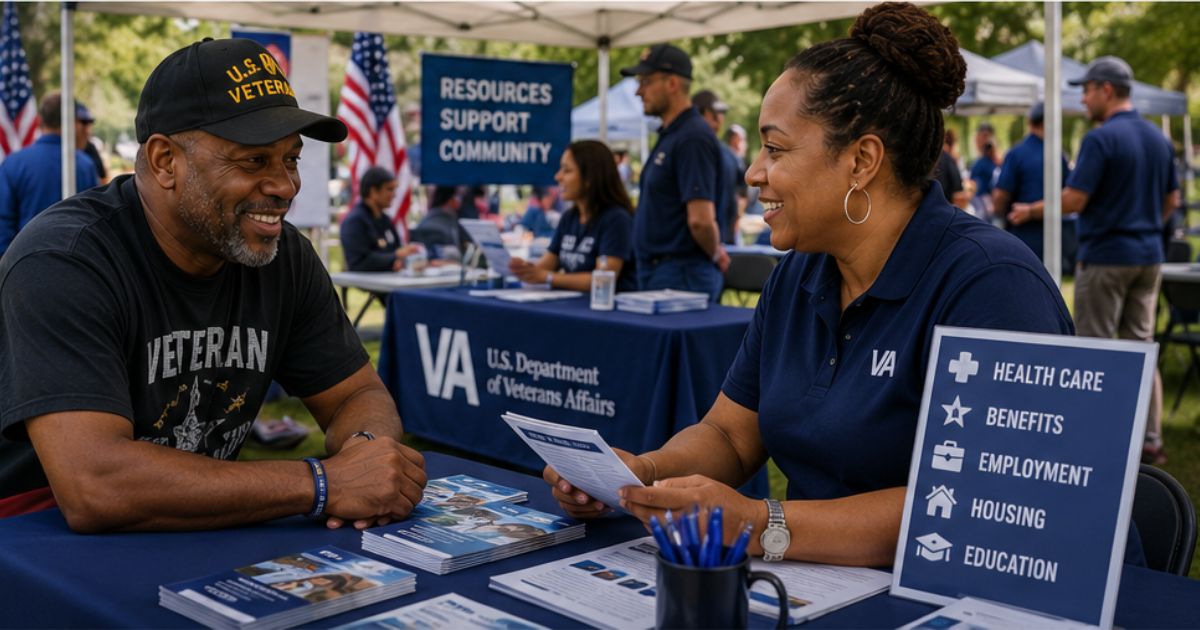
    The Department of Veterans Affairs continues expanding outreach efforts aimed at improving access to healthcare, benefits, and support services for women veterans across the country. New regional initiatives and community events are designed to help more women veterans connect directly with available resources and programs. 

    As the number of women veterans continues growing nationwide, the VA has increased focus on ensuring services are more accessible, visible, and responsive to their needs.

    Outreach programs are intended to improve awareness about available healthcare services, mental health resources, education support, maternity care, benefits guidance, and community assistance programs.

    Many women veterans may not realize the full range of services available to them or may face challenges navigating systems after military service.

    Current outreach efforts may include:

    • regional veteran summits
    • healthcare education events
    • women veteran support programs
    • community resource connections
    • benefits awareness initiatives
    • wellness and mental health support 

    The VA has emphasized that improving outreach is an important part of ensuring women veterans feel recognized, informed, and supported throughout their post-service journey.

    Community events and regional programs also create opportunities for women veterans to connect with other veterans, organizations, and support networks.

    As services continue expanding, outreach efforts aim to bring more personalized support directly into local communities instead of expecting veterans to navigate everything alone.

    For many women veterans, increased visibility and easier access to information can make a meaningful difference in long-term wellbeing and healthcare engagement.


  • Stronger Together: Veterans Encouraged to Join 250 Million Acts of Kindness Campaign

    Stronger Together: Veterans Encouraged to Join 250 Million Acts of Kindness Campaign

    A nationwide community initiative is encouraging Americans to come together through service, volunteering, and everyday acts of kindness as the country approaches its 250th anniversary. Veterans are being encouraged to take part in the movement and help lead efforts within local communities. 

    The campaign centers around a simple idea: small actions can create meaningful impact. Organizers are calling for 250 million acts of kindness across the country through volunteer work, neighbor support, and community engagement activities. 

    Suggested activities include:

    • helping local shelters
    • supporting senior centers
    • participating in food drives
    • neighborhood cleanups
    • assisting military families
    • volunteering within local communities

    Veterans are uniquely positioned to support these efforts because service, teamwork, and community involvement are already deeply connected to military experience.

    For many veterans, community service can also help restore a sense of mission and connection after military service ends.

    The initiative encourages individuals, organizations, nonprofits, businesses, and community leaders to participate together in building stronger neighborhoods through simple positive actions. 

    As more organizations and volunteers join the campaign, the message remains focused on unity, compassion, and supporting one another through everyday acts of service.

    Even small acts of kindness can help strengthen communities and create a more connected environment for veterans, families, and neighbors alike.


  • Veteran Trust in VA Reaches Record High in Latest Survey

    Veteran Trust in VA Reaches Record High in Latest Survey

    Trust in the Department of Veterans Affairs has reached its highest level ever, according to the latest national survey of veterans. The findings highlight a continued upward trend in confidence toward VA services, reflecting improvements across healthcare, benefits delivery, and overall support systems.

    The survey indicates that a growing majority of veterans now report positive experiences with VA services. This increase in trust is linked to ongoing efforts to improve access, reduce delays, and enhance communication between veterans and VA providers.

    Over the past few years, the VA has focused on modernizing its systems, expanding healthcare access, and streamlining benefits processing. These efforts appear to be contributing to higher satisfaction levels among veterans and their families.

    Key factors influencing this rise in trust include:

    • faster claims processing and improved accuracy

    • expanded healthcare access and digital services

    • better communication and support systems

    • increased focus on veteran experience

    Officials have emphasized that rebuilding and maintaining trust remains a priority, especially as the VA continues to introduce new tools and improvements aimed at simplifying services.

    Explore how AI-powered tools are improving veteran support:

    The results suggest that more veterans are feeling confident in the support they receive, which is a critical factor in ensuring long-term engagement with VA programs.

    While challenges still exist, the current data reflects meaningful progress in how services are delivered and perceived.

    For veterans, this shift represents a more reliable and responsive system that continues to evolve based on feedback and real-world needs.


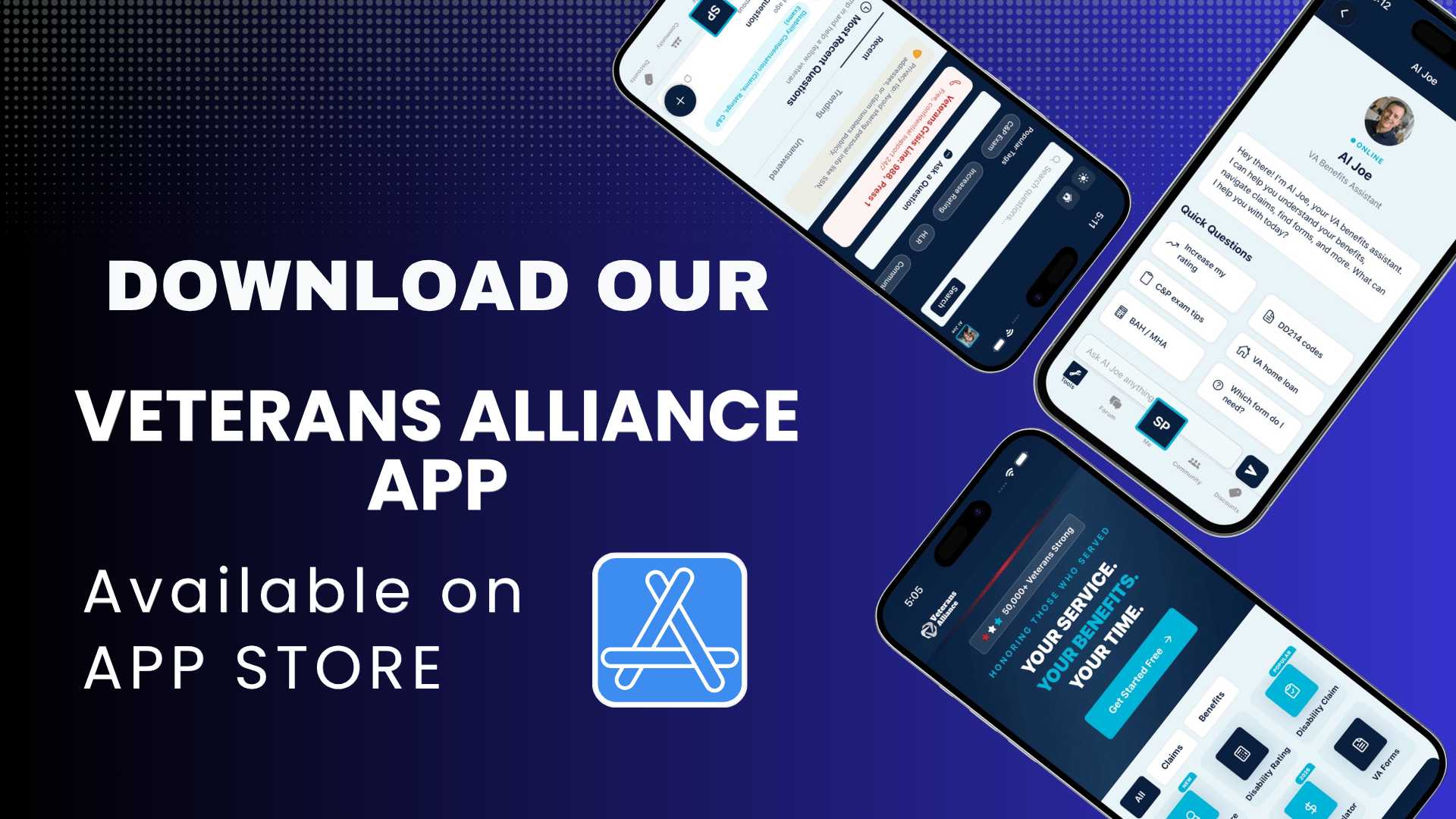
  • Veterans Alliance App Now Available on iOS: Smarter Veteran Support in Your Pocket

    Veterans Alliance App Now Available on iOS: Smarter Veteran Support in Your Pocket

    Accessing veteran benefits shouldn’t feel complicated or time-consuming. That’s exactly why the VA.org app has been launched — to bring everything veterans need into one place, now available on iOS devices.

    With the VA.org app, veterans can access tools, guidance, and support directly from their phone without needing to navigate multiple websites or search endlessly for answers. The goal is simple: make veteran support faster, easier, and more accessible.

    One of the key features of the app is AI Joe, a 24/7 AI-powered assistant that helps answer questions related to disability claims, VA benefits, healthcare, education, and home loans. Instead of waiting or guessing, veterans can get clear answers instantly.

    The app also includes a range of powerful tools designed to simplify everyday challenges:

    • Disability rating estimator to understand potential benefits

    • Home loan guidance to navigate buying or refinancing

    • VA forms support to reduce confusion during applications

    • Benefits score tools to help identify gaps

    By combining these tools into one mobile experience, the VA.org app removes the need to jump between different platforms.

    Another major advantage is accessibility. Veterans can now check information, ask questions, and explore options anytime — whether at home, at work, or on the go.

    This shift toward mobile-first support reflects a larger goal: helping veterans take control of their benefits with less stress and more clarity.

    The VA system can often feel overwhelming, but tools like the VA.org app are designed to simplify that journey and provide direction when it’s needed most.

    For veterans looking for a faster and smarter way to manage their benefits, the VA.org app offers a practical solution — right in their pocket.


  • VA Health Record System Back on Track with Michigan Rollout | 2026 Update

    VA Health Record System Back on Track with Michigan Rollout | 2026 Update

    The Department of Veterans Affairs has resumed its electronic health record modernization program with a major deployment across multiple Michigan facilities, marking the first major rollout after a pause in recent years. 

    The updated federal Electronic Health Record (EHR) system went live across healthcare locations in Ann Arbor, Detroit, Battle Creek, and Saginaw, representing the first wave of planned deployments for 2026. This rollout is part of the VA’s broader effort to create a more connected and unified healthcare system for veterans. 

    The modernization initiative aims to ensure that medical records can move more seamlessly between military service and veteran healthcare systems, reducing delays, duplicate testing, and missing information.

    Some of the expected benefits include:

    • improved access to patient records

    • faster coordination between VA facilities

    • reduced paperwork gaps

    • better continuity of care

    • stronger provider collaboration 

    VA officials have described this deployment as a key milestone in bringing the national health record modernization project back on track.

    Additional deployments are expected later this year as part of a phased implementation plan across more regions. 

    For veterans, this means a more streamlined healthcare experience and potentially faster access to treatment history, appointments, prescriptions, and ongoing care coordination.


  • VA Improves Benefits Processing Times and Claims Delivery for Veterans

    VA Improves Benefits Processing Times and Claims Delivery for Veterans

    The U.S. Department of Veterans Affairs has announced major improvements in how quickly veteran benefits claims are being processed and delivered in 2026. According to the latest update, disability claims, pension applications, and survivor-related benefits are now moving through the system significantly faster than in previous years. 

    The update highlights that the VA has already processed more than 1.5 million claims halfway through fiscal year 2026, keeping pace with the record-breaking volume handled in 2025. One of the most notable improvements is the reduction in average claim processing time, which has fallen from 141.5 days to 80.7 days, representing a 43% decrease. Accuracy has also improved, with the 12-month claims-processing accuracy rate rising to 94.02%, the highest level in the past two years. 

    Additional areas of improvement include pension and survivor-related claims.

    Key updates include:

    • Veterans Pension claims average processing time reduced from 170 days to 57 days

    • Survivors Pension claims reduced from 172 days to 73 days

    • Dependency and Indemnity Compensation (DIC) claims reduced from 163 days to 73 days

    • Burial claims processing reduced from 70 days to 31 days 

    The VA has also made substantial progress in reducing the claims backlog. Pension backlogs have been nearly eliminated, while DIC claim backlogs have dropped by more than 80%.

    These changes are expected to help veterans, families, caregivers, and survivors receive support faster and with greater clarity.

    For veterans currently navigating disability, pension, or survivor benefits, this is a significant step toward a more responsive system.


  • New VA Disability Rating Rule Sparks Debate Over Medication and Benefits

    New VA Disability Rating Rule Sparks Debate Over Medication and Benefits

    A recent change proposed by the Department of Veterans Affairs has triggered strong reactions across the Veteran community. The new policy focuses on how disability ratings should be evaluated when a Veteran’s symptoms are managed with medication — and many advocacy groups are raising concerns about what this could mean for future compensation decisions.

    While the VA says the rule was designed to clarify existing standards, critics argue it could unintentionally reduce disability ratings for Veterans who follow prescribed treatment plans.

    What the New VA Rule Is About

    The rule, titled “Evaluative Rating: Impact of Medication,” directs VA examiners to consider a Veteran’s actual level of functional impairment while using medication or treatment when assigning a disability rating. 

    Previously, some court rulings led to situations where examiners attempted to estimate how severe a condition might be without treatment. The VA argued that these hypothetical evaluations were difficult to measure and could slow down claims processing. 

    Under the updated guidance, disability ratings would focus on how a Veteran functions in everyday life with prescribed care rather than imagining untreated symptoms.

    Why Veterans Groups Are Concerned

    Despite the VA’s explanation, many Veteran organizations and advocates expressed alarm soon after the rule was announced. Groups such as the Veterans of Foreign Wars and Disabled American Veterans warned that the policy could create unintended consequences.

    Their main concern is simple: if medication reduces visible symptoms, a Veteran’s disability rating could appear lower — even if the underlying condition remains serious. 

    Advocates argue that this approach could discourage some Veterans from seeking treatment if they fear their benefits might be affected. Critics also questioned the speed of the rule’s rollout and whether the Veteran community had enough opportunity to provide feedback before implementation.

    VA Response and Temporary Pause

    After widespread backlash, the VA announced it would halt enforcement of the rule while continuing to collect public input. Officials stated that many Veterans interpreted the policy as harmful, and the department wanted to address those concerns before moving forward. 

    The VA has maintained that the goal was to ensure consistent evaluations and avoid hypothetical assessments that may not reflect real-world conditions. However, the pause highlights how strongly the Veteran community reacted to the proposed changes.

    How the Rule Could Affect Disability Ratings

    If implemented in the future, the rule could influence how medical examinations are conducted during new claims, appeals, or re-evaluations.

    For example:

    • Ratings may reflect how symptoms appear while medication is working.

    • Examiners may focus more on daily functioning rather than worst-case scenarios.

    • Some Veterans worry this could lead to lower ratings if treatments are effective.

    VA officials have said the rule would not automatically change current ratings, but advocacy groups remain cautious about long-term impacts.

    What Veterans Should Know Right Now

    At this stage, enforcement of the rule has been paused, and the VA continues reviewing feedback from Veterans, lawmakers, and advocacy organizations. That means no immediate changes are taking effect while discussions continue.

    Veterans who receive disability compensation should stay informed but avoid assuming their benefits will change overnight. Policy updates often go through multiple revisions before becoming permanent.

    Keeping medical records up to date and understanding how disability evaluations work remains one of the best ways to stay prepared for future changes.

    The Bigger Conversation Around Disability Ratings

    The debate surrounding this rule reflects a broader discussion about how disability benefits should be measured. Some believe ratings should reflect real-life functioning, while others argue that underlying service-connected conditions deserve consistent recognition regardless of treatment outcomes.

    As the VA gathers public feedback, the final direction of the policy may evolve. For many Veterans, the discussion highlights the importance of transparency and clear communication whenever changes to disability rules are proposed.

    Final Thoughts

    The proposed medication-based disability rating rule has sparked one of the most talked-about VA policy debates in recent months. While the agency says it aims to improve consistency, Veteran groups continue to push for safeguards that protect earned benefits.

    For now, the rule remains under review — and Veterans are encouraged to stay informed as the conversation develops.

  • Mission Daybreak Innovation Challenge Drives New Suicide Prevention Solutions

    Mission Daybreak Innovation Challenge Drives New Suicide Prevention Solutions

    The VA continues to explore creative approaches to suicide prevention through initiatives like Mission Daybreak — a challenge designed to encourage researchers, entrepreneurs, and community organizations to develop new solutions that support Veteran wellness.

    Turning Ideas Into Real-World Solutions

    Winning teams focus on projects ranging from digital support tools to peer-connection platforms. Many initiatives aim to help Veterans identify early warning signs and access resources more easily. By supporting innovation outside traditional clinical settings, the VA hopes to reach Veterans who might otherwise hesitate to seek help.

    Collaboration Across Communities

    Programs like Mission Daybreak highlight the importance of collaboration. Veterans, clinicians, technology experts, and advocates work together to design solutions that address real-world challenges. This approach ensures that new ideas reflect lived experiences and practical needs rather than theoretical concepts alone.

    A Future Focused on Prevention

    The challenge represents a broader shift toward proactive mental health care — emphasizing prevention, awareness, and accessible resources. As these projects continue to evolve, they may shape the next generation of Veteran support programs.

  • Data-Driven Strategies and Community Partnerships Continue Progress Toward Ending Veteran Homelessness

    Data-Driven Strategies and Community Partnerships Continue Progress Toward Ending Veteran Homelessness

    A Coordinated Approach to Housing Stability

    Efforts to reduce Veteran homelessness continue to evolve through collaboration between federal agencies, community organizations, and local advocates. Recent updates emphasize how data tracking and coordinated outreach programs are helping identify Veterans who need immediate housing support while guiding long-term planning.

    Housing programs today focus on more than temporary shelter. Veterans often receive access to employment resources, health services, and counseling designed to create sustainable stability. These combined services help individuals rebuild routines and maintain independence.

    Technology Improving Outreach and Support

    Real-time data systems now allow support teams to monitor housing placements and respond quickly when challenges arise. By understanding trends and regional needs, organizations can allocate resources more effectively and ensure that Veterans remain connected to assistance programs.

    While progress continues, rising housing costs and economic shifts present ongoing challenges. Leaders emphasize that consistent investment and community involvement remain essential to maintaining momentum.

    Building a Future of Stability and Opportunity

    For many Veterans, housing support represents a turning point — an opportunity to rebuild confidence and reconnect with community. By combining human-centered outreach with data-driven insights, support programs aim to create lasting solutions that extend beyond short-term assistance.