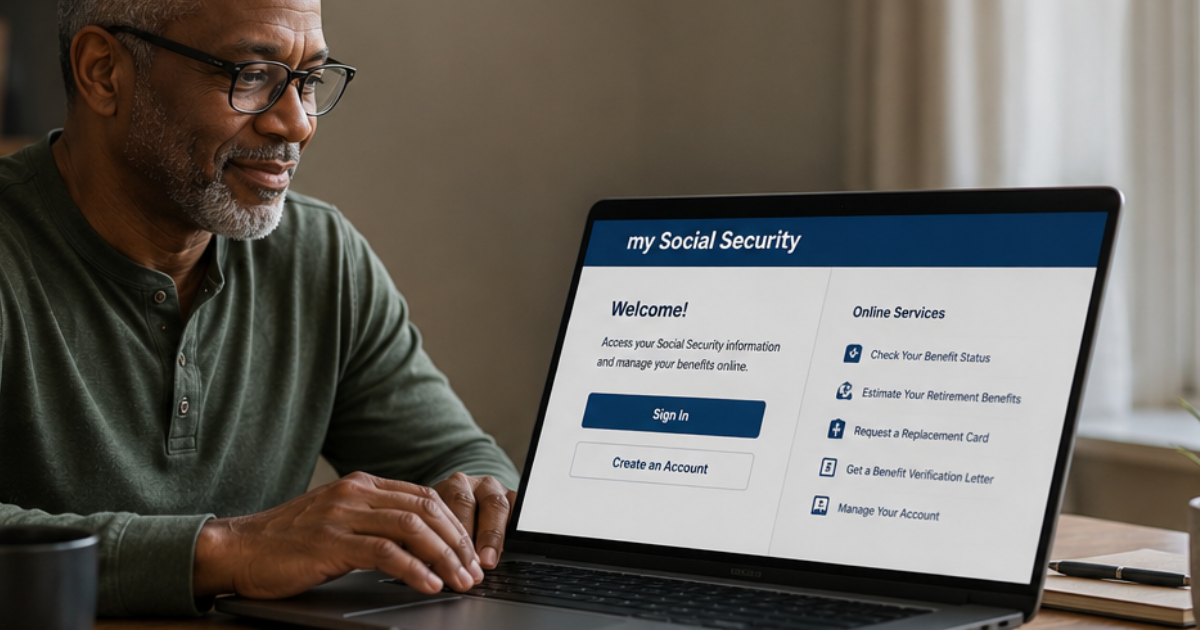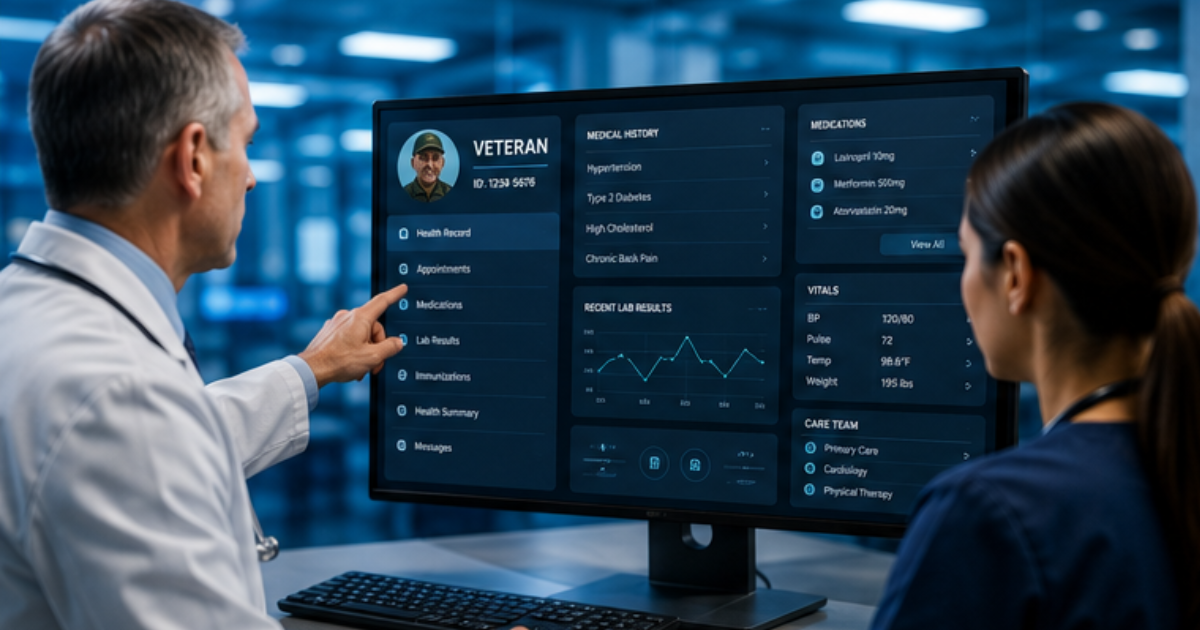
As more healthcare services become available online, protecting personal health information has become increasingly important for veterans. The Department of Veterans Affairs continues encouraging veterans to take proactive steps to safeguard their health records, online accounts, and sensitive personal information.
Cybercriminals frequently target personal data because it can be used for identity theft, fraud, and unauthorized access to financial or healthcare information. Veterans who use online healthcare portals should remain aware of common cybersecurity risks and best practices.
Simple actions can significantly improve online security:
- Use strong, unique passwords
- Enable multi-factor authentication
- Avoid sharing login credentials
- Monitor account activity regularly
- Keep devices updated
- Be cautious of phishing emails and scams
- Only access healthcare information through trusted websites
The VA has continued improving account security through secure login systems and identity verification processes designed to help protect veteran information online. Veterans are encouraged to use trusted authentication services when accessing government resources.
Healthcare records contain highly sensitive information, making them valuable targets for cybercriminals. Taking preventive measures can help reduce the risk of unauthorized access and protect personal privacy.
Veterans should also be cautious when receiving unexpected emails, text messages, or phone calls requesting account information. Legitimate government agencies rarely ask for sensitive information through unsolicited communications.
As digital healthcare continues expanding, cybersecurity awareness remains an important part of protecting both personal information and healthcare access.
By adopting simple online safety habits, veterans can better protect their data while continuing to take advantage of convenient digital healthcare services.