Category: Healthcare

  • Telehealth Therapy Shows Promising Results for Veteran Mental Health

    Telehealth Therapy Shows Promising Results for Veteran Mental Health

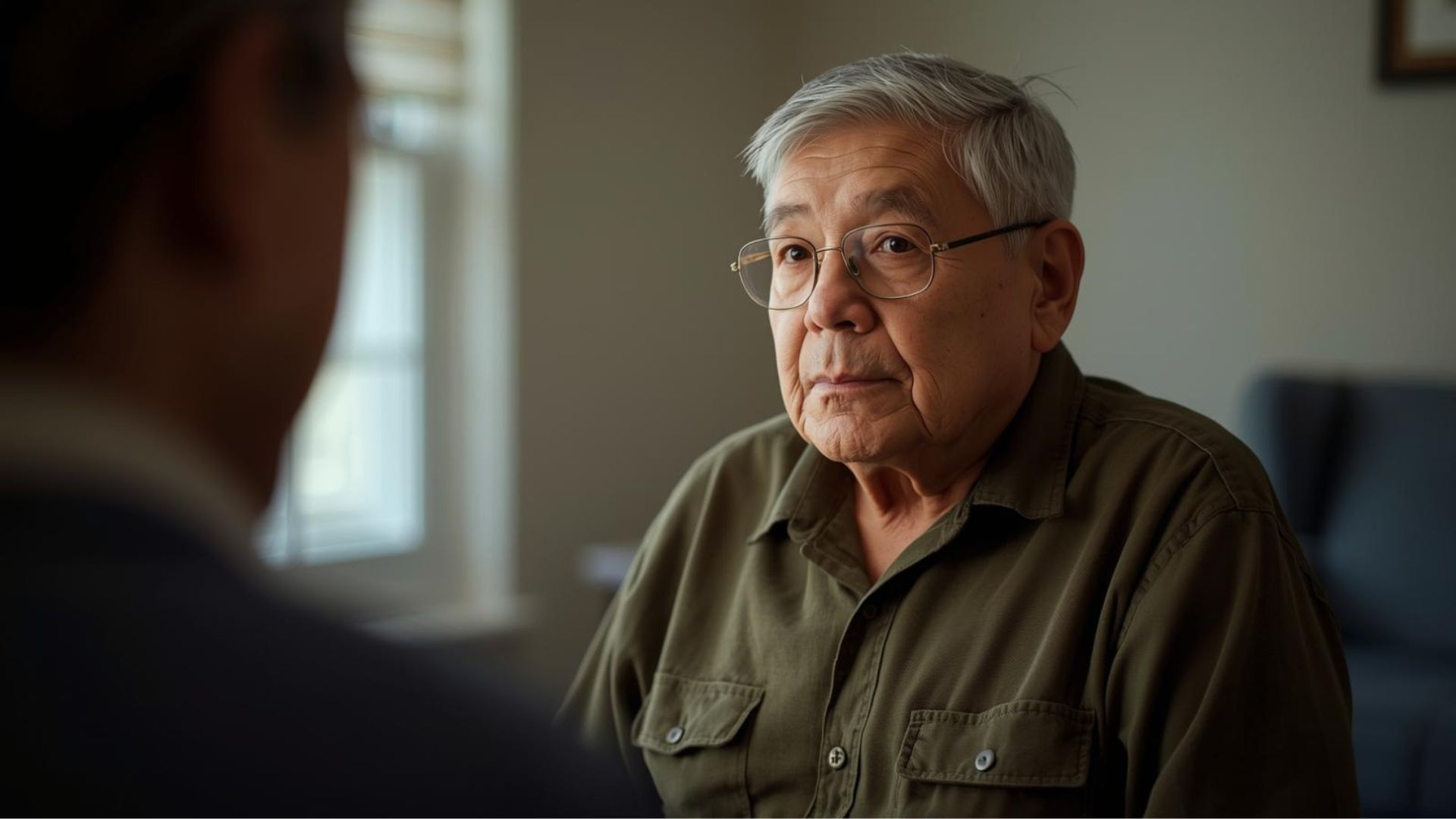
    Recent VA research highlights how telehealth therapy programs are helping Veterans build stronger coping skills and reduce feelings of hopelessness. Clinical telehealth initiatives focus on improving emotional resilience while making mental health care more accessible to those who may not visit traditional facilities.

    Improving Accessibility and Comfort

    Many Veterans find virtual therapy sessions less intimidating than in-person appointments. The ability to connect with clinicians from a familiar environment encourages honest conversations and consistent participation. This accessibility can be especially valuable for individuals managing anxiety, depression, or trauma-related stress.

    Combining Technology With Human Support

    Despite the use of digital platforms, human connection remains central to telehealth therapy. Counselors guide structured conversations, provide coping strategies, and help Veterans develop long-term mental wellness plans. Early results suggest that participants experience improvements in self-confidence and emotional stability.

    Moving Toward a Hybrid Care Model

    As telehealth continues to grow, the VA is exploring hybrid care models that combine in-person and virtual sessions. This flexible approach allows Veterans to choose the format that best fits their lifestyle while maintaining consistent access to support.

  • Mission Daybreak Innovation Challenge Drives New Suicide Prevention Solutions

    Mission Daybreak Innovation Challenge Drives New Suicide Prevention Solutions

    The VA continues to explore creative approaches to suicide prevention through initiatives like Mission Daybreak — a challenge designed to encourage researchers, entrepreneurs, and community organizations to develop new solutions that support Veteran wellness.

    Turning Ideas Into Real-World Solutions

    Winning teams focus on projects ranging from digital support tools to peer-connection platforms. Many initiatives aim to help Veterans identify early warning signs and access resources more easily. By supporting innovation outside traditional clinical settings, the VA hopes to reach Veterans who might otherwise hesitate to seek help.

    Collaboration Across Communities

    Programs like Mission Daybreak highlight the importance of collaboration. Veterans, clinicians, technology experts, and advocates work together to design solutions that address real-world challenges. This approach ensures that new ideas reflect lived experiences and practical needs rather than theoretical concepts alone.

    A Future Focused on Prevention

    The challenge represents a broader shift toward proactive mental health care — emphasizing prevention, awareness, and accessible resources. As these projects continue to evolve, they may shape the next generation of Veteran support programs.

  • Telehealth Programs Expand Mental Health Support for Rural Veterans

    Telehealth Programs Expand Mental Health Support for Rural Veterans

    Millions of Veterans live in rural communities where access to health care can be limited. To address these challenges, the VA continues to expand telehealth programs designed to connect Veterans with mental health professionals regardless of location. Enhanced digital care options help reduce barriers such as long travel distances and scheduling difficulties.

    Addressing Risk Factors in Rural Areas

    Studies show that rural Veterans may face unique stressors, including isolation and limited access to services. Telehealth initiatives aim to provide consistent contact with clinicians, allowing Veterans to receive counseling, check-ins, and therapy sessions from home. By removing physical distance as a barrier, these programs encourage earlier intervention and continuous support.

    Suicide Prevention Through Early Connection

    Mental health professionals emphasize that early engagement plays a key role in suicide prevention. Telehealth platforms allow Veterans to seek help before challenges escalate, offering a confidential space to discuss concerns. Educational campaigns also promote safe environments at home and encourage families to participate in supportive conversations.

    The Future of Digital Care

    As technology evolves, telehealth programs are expected to integrate additional tools such as virtual group therapy sessions and AI-assisted risk assessments. These advancements aim to strengthen prevention efforts while ensuring Veterans feel connected to real people and meaningful support networks.

  • VA Research Advances New Treatments in Cancer Care, Mobility Technology and Neurological Health

    VA Research Advances New Treatments in Cancer Care, Mobility Technology and Neurological Health

    Recent updates from the VA Office of Research and Development show how innovation continues to shape the future of Veteran health care. Researchers are exploring improvements in cancer treatment, robotic mobility tools, and therapies targeting neurological conditions such as Parkinson’s disease. These efforts reflect VA’s broader commitment to translating scientific discoveries into real-world solutions that improve everyday quality of life. 

    Clinical trials and research programs conducted across VA facilities allow scientists to test new approaches directly with Veteran populations. Because many Veterans share unique environmental exposures and medical histories, research findings can provide valuable insights that influence care both inside and outside the VA system.

    Technology Driving Mobility and Independence

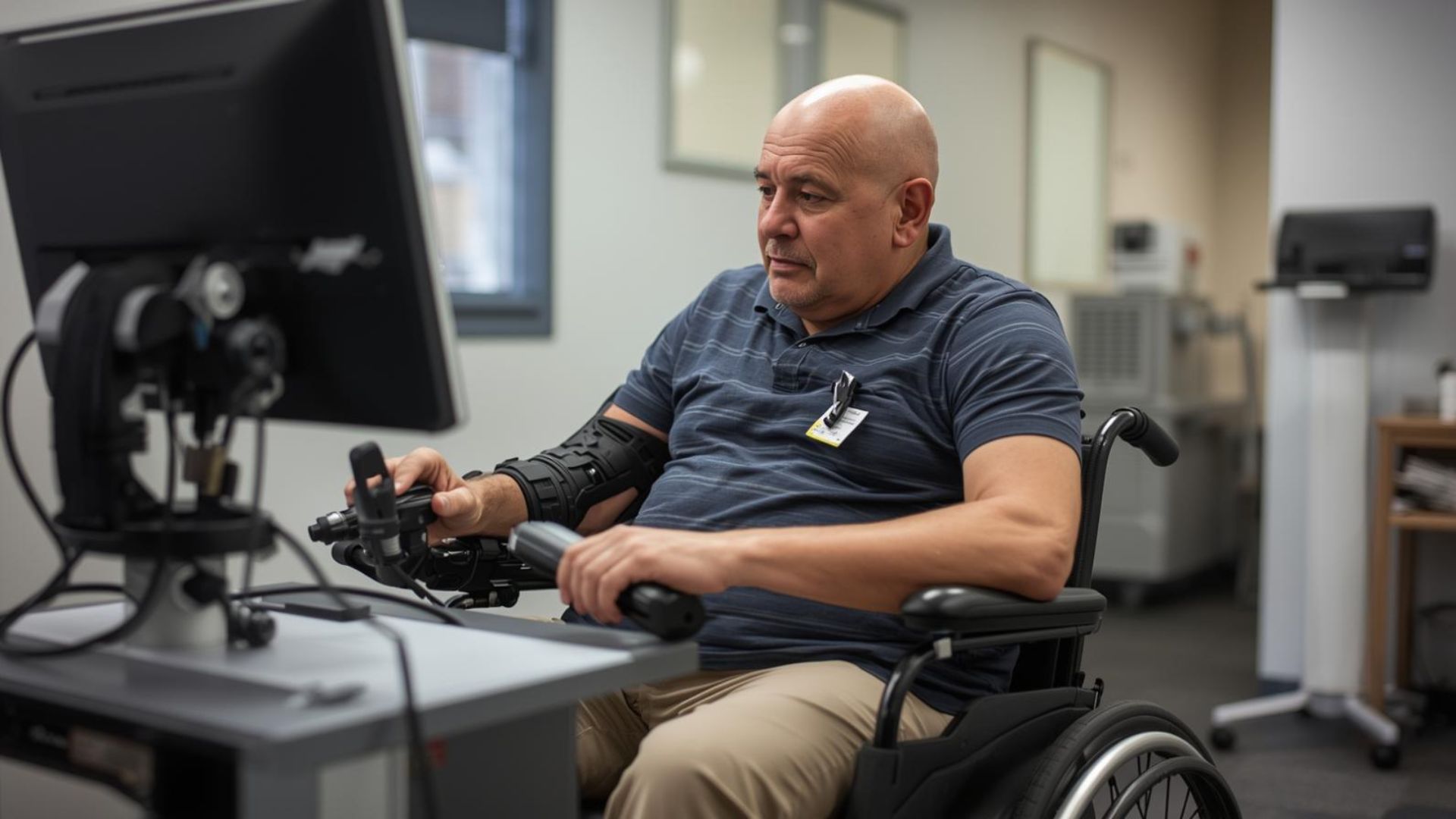
    One major focus area involves advanced mobility solutions. Researchers are studying robotic wheelchair systems designed to enhance navigation and independence. These devices use sensors and adaptive technology to help Veterans move more safely in crowded or unfamiliar environments.

    Mobility innovation goes beyond hardware. Rehabilitation specialists collaborate with engineers to ensure new tools support physical therapy goals, allowing Veterans to maintain independence while recovering from injury or managing chronic conditions.

    Cancer Care and Precision Medicine

    Another area receiving attention is cancer research. Scientists are working to develop more personalized treatment strategies that consider genetic factors, environmental exposure, and lifestyle patterns. By understanding how different risk factors affect Veterans, clinicians can design therapies that target disease more precisely and reduce unnecessary side effects.

    The VA’s extensive research network allows investigators to gather data from large Veteran populations, helping them identify trends that may not appear in smaller studies. This approach supports the development of therapies that are both effective and practical for real-world health care settings.

    Looking Ahead

    Research updates like these highlight the VA’s role as a national leader in medical innovation. As new discoveries move from laboratories into clinics, Veterans may benefit from improved treatment options, smarter rehabilitation tools, and more personalized care pathways.


  • VA Prosthetics Programs Help Veterans Regain Independence Through Advanced Rehabilitation Support

    VA Prosthetics Programs Help Veterans Regain Independence Through Advanced Rehabilitation Support

    Restoring Mobility Through Personalized Care

    Across the country, many Veterans rely on prosthetic services to rebuild daily routines after service-related injuries. Recent updates highlight how the Department of Veterans Affairs continues to strengthen rehabilitation programs by combining advanced technology with individualized treatment plans. Rather than focusing only on equipment, modern prosthetic care emphasizes long-term mobility goals, comfort, and lifestyle adaptability.

    Veterans often begin their journey with a detailed evaluation where specialists assess strength, balance, and personal objectives. From there, customized devices are introduced alongside rehabilitation therapy, helping individuals gradually regain confidence in movement. These programs aim to support not only physical recovery but also emotional resilience as Veterans adapt to new routines.

    Innovation Driving Better Outcomes

    Advancements in prosthetic design have significantly improved usability. Lightweight materials, digital modeling, and adaptive components allow devices to respond more naturally to movement patterns. Specialists can adjust fittings over time, ensuring that Veterans experience consistent support as their needs evolve.

    Beyond technology, collaboration between therapists, clinicians, and Veterans plays a major role in progress. Peer encouragement and structured therapy sessions often create a supportive environment where individuals feel motivated to push forward.

    Community Support and Long-Term Success

    Many Veterans describe prosthetic rehabilitation as a journey that extends beyond clinical care. Access to community programs, wellness initiatives, and ongoing training helps individuals maintain independence long after initial recovery. As VA programs continue to expand, the focus remains on helping Veterans return to activities that bring purpose and confidence back into daily life.

  • VA Invests $4.8 Billion to Modernize Health Care Facilities — What Veterans Should Know

    VA Invests $4.8 Billion to Modernize Health Care Facilities — What Veterans Should Know

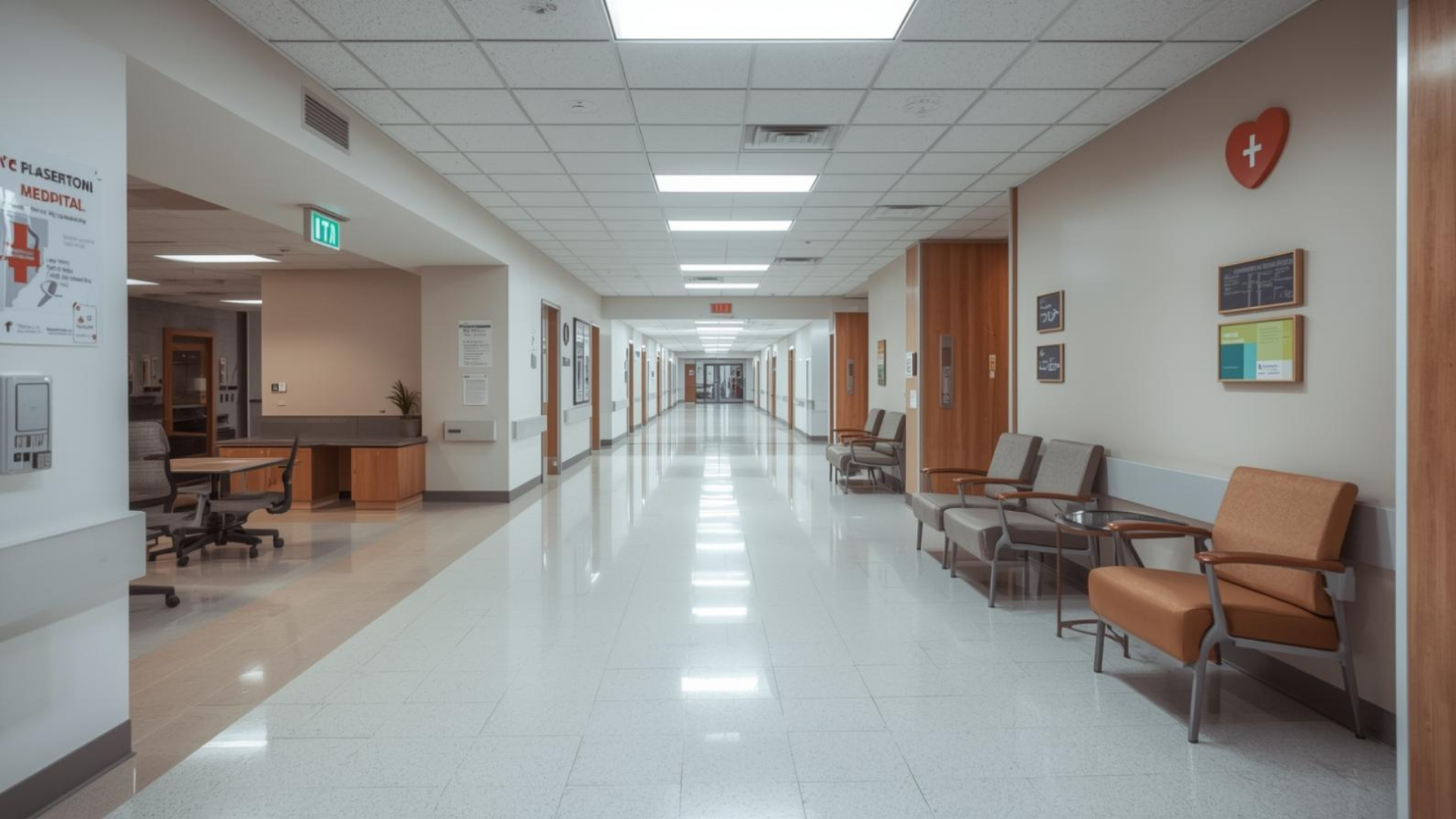
    Across the country, many Veterans rely on VA medical centers not just for treatment, but for long-term health support, rehabilitation, and specialized care. In 2026, the Department of Veterans Affairs announced one of its largest infrastructure investments yet — a move designed to improve safety, modernize facilities, and strengthen health services nationwide.

    The initiative includes nearly $4.8 billion dedicated to upgrading health care infrastructure, marking the largest single-year investment through the VA’s Non-Recurring Maintenance program. These funds will go toward repairing aging buildings, replacing outdated equipment, and improving medical spaces so Veterans receive care in environments that match modern clinical standards.

    Why Infrastructure Matters More Than Most People Think

    For many Veterans, a hospital visit is more than a routine appointment — it’s a connection to trusted providers and specialized services tailored to military-related health needs. Over time, however, facilities require upgrades to keep up with medical advancements and patient demand.

    The VA’s modernization effort focuses on projects that are not part of routine maintenance. Instead, the program supports major repairs and upgrades that help facilities remain operational and ready for future health care challenges. 

    That could mean renovating surgical spaces, improving accessibility features, upgrading heating and electrical systems, or modernizing patient areas to make visits more comfortable and efficient.

    Supporting a Growing Veteran Population

    As the needs of Veterans evolve, so must the spaces where care is delivered. Many VA medical centers were built decades ago, and while they continue to provide vital services, new technology and treatment approaches require updated environments.

    The latest investment signals a broader effort to strengthen the Veterans Health Administration’s long-term readiness. By modernizing infrastructure today, the VA hopes to reduce disruptions tomorrow — ensuring that facilities remain reliable even as demand increases.

    This approach is especially important as new programs expand access to care. For example, the VA recently increased support for Veterans receiving in-home and community-based services, helping those with complex medical conditions remain in their homes while receiving high-quality care. 

    Infrastructure improvements at medical centers help complement these programs by ensuring backup services and advanced treatment options remain available when needed.

    A Focus on Safety and Quality

    Beyond aesthetics, many modernization projects are designed to enhance safety. Updated equipment and facility repairs can reduce delays, improve infection control, and create smoother workflows for medical staff.

    These improvements also reflect feedback from Veterans themselves. Over the years, patient surveys and internal assessments have highlighted the importance of modern spaces that feel welcoming and efficient. Investing in infrastructure allows the VA to address these concerns directly — not just through policy changes but through physical improvements that Veterans can see and experience.

    Mental Health and Community Care Remain Priorities

    Infrastructure upgrades don’t exist in isolation. They are part of a broader effort to strengthen the overall Veteran care system, including mental health services and suicide prevention initiatives.

    Recent reports show that suicide prevention continues to be a major clinical focus, with the VA analyzing data trends to improve outreach and support strategies for at-risk Veterans. 

    Improved facilities — from counseling rooms to community support spaces — help create environments where Veterans feel more comfortable seeking help.

    What Veterans Can Expect Next

    While large investments take time to implement, many projects will begin rolling out through 2026 and beyond. Veterans may notice renovations, equipment upgrades, or expanded service areas at their local VA medical centers.

    The goal is not just to repair buildings, but to create a health care system that feels modern, responsive, and prepared for the future.

    For Veterans and their families, this investment represents more than construction — it reflects a commitment to improving the quality of care and ensuring that health services evolve alongside the people they serve.

    The Bigger Picture

    Health care is constantly changing, and the VA’s decision to invest billions into modernization highlights a long-term vision: stronger facilities, better patient experiences, and improved clinical outcomes.

    As new programs expand access to care at home and within communities, updated infrastructure will play a key role in supporting those services. Together, these efforts signal a continued focus on innovation, accessibility, and the well-being of Veterans nationwide.


     

  • Veterans and Heart Health: New Findings from the Million Veteran Program

    Veterans and Heart Health: New Findings from the Million Veteran Program

    Heart disease remains the leading cause of death in the United States — a reality that impacts Veterans as much as the general population. In response, the VA’s Million Veteran Program (MVP) is conducting groundbreaking research aimed at understanding how lifestyle factors influence cardiovascular health among Veterans. 

    The MVP study highlights a surprising connection between certain dietary choices and heart health outcomes. Researchers discovered that Veterans who reported consuming dark chocolate, yogurt, and whole nuts at least occasionally tended to have better cardiovascular outcomes compared to those who did not report these habits.

    What the Findings Mean

    While these findings don’t replace medical advice, they add to a growing body of evidence suggesting that balanced nutrition plays a role in heart health. Incorporating nutrient-rich foods like yogurt (which may support gut health), dark chocolate (in moderation), and nuts (a source of healthy fats and protein) could be one small part of a broader heart health strategy. 

    Heart disease prevention typically involves a combination of factors — including regular physical activity, healthy dietary habits, stress management, and proper medical care. The MVP research contributes to this understanding by offering Veteran-centric insights backed by one of the largest health cohorts in the nation.

    Why This Matters for Veterans

    For many Veterans managing multiple health priorities, learning about approachable, evidence-based wellness habits can make daily life feel more empowering. While no single food guarantees prevention, understanding how diet may influence heart health helps Veterans make informed lifestyle decisions in collaboration with healthcare providers. 

    The Million Veteran Program’s research continues to show how data collected from real Veterans can translate into real wellness insights — reminding us that health empowerment and scientific discovery go hand in hand.


  • National Salute to Veteran Patients Week: Honoring Veterans with Compassion and Community

    National Salute to Veteran Patients Week: Honoring Veterans with Compassion and Community

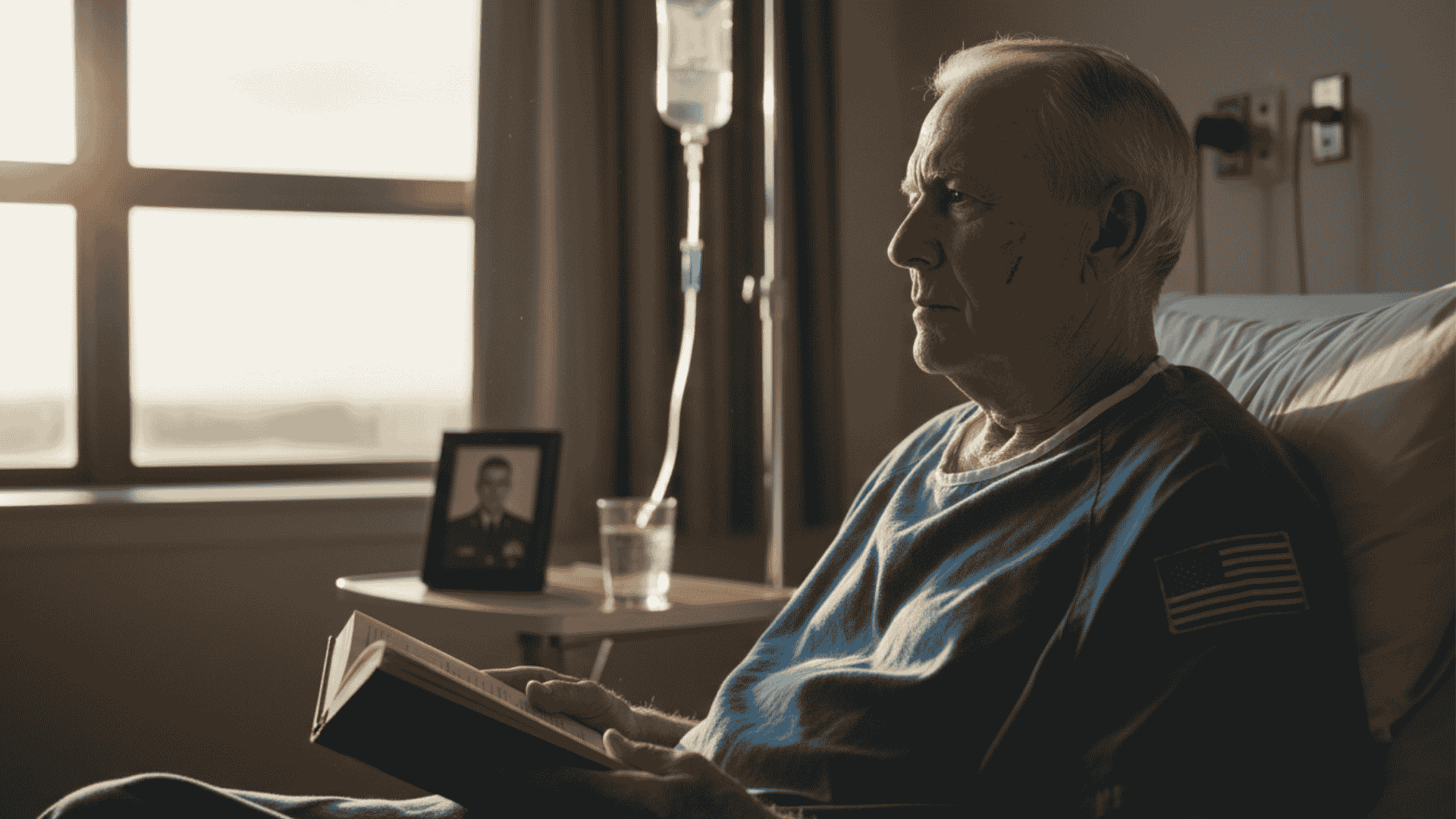
    From February 8–14, 2026, VA medical centers across the United States are inviting communities to come together in honor of National Salute to Veteran Patients Week — a longstanding tradition that expresses gratitude, support, and respect for hospitalized Veterans. 

    For more than four decades, this designated week has served as a moment for community members, families, and volunteers to uplift hospitalized Veterans through compassionate gestures — from delivering Valentine’s cards and small gifts to offering help around medical facilities. 

    The initiative reinforces a simple but powerful message: Veterans should know they are appreciated not only for their service but also for who they are as individuals. Activities during the week include volunteer visits, heart-shaped decorations, thoughtful cards, and small events that bring joy and human connection to Veterans receiving care.

    How You Can Get Involved

    You don’t need to be a professional caregiver or medical staff to make a difference. National Salute to Veteran Patients Week thrives on community participation. Here are a few ways to get involved:

    • Volunteer your time at your local VA medical center

    • Send Valentine’s cards to Veteran patients

    • Spread awareness among friends and local groups

    • Support local VA events during the week

    These efforts bring attention to the importance of compassionate care and strengthen the connections between Veterans and their communities. 

    Veterans and families benefit not only from medical support but from the sense of belonging and recognition that community engagement fosters.


  • VA Expands In-Home and Community Based Services for Veterans with Complex Conditions

    VA Expands In-Home and Community Based Services for Veterans with Complex Conditions

    For many Veterans living with complex health conditions — including spinal cord injuries and neurological diseases — the ability to remain at home while receiving care can be a defining factor in quality of life. In a recent update that reflects this emphasis, the Department of Veterans Affairs has announced a significant expansion of coverage for in-home and community-based health services. 

    Under the newly adjusted policy, VA’s skilled home health care program will now cover the full cost of eligible services — including home health aide care, adult day health care, and respite care — for Veterans with certain complex medical needs. This replaces the previous coverage rate of 65%, easing the financial burden on Veterans and their families.

    More Care, More Comfort, Less Cost

    This policy change means that Veterans with conditions such as spinal cord injuries, amyotrophic lateral sclerosis (ALS), and other chronic, complex ailments can receive care that helps them remain at home without worrying about out-of-pocket expenses. The expansion aligns the cost of these services with what is already covered in VA Community Living Centers, ensuring consistency and equity in Veteran care. 

    For many Veterans and caregivers, this shift marks more than just a financial change — it’s a reassurance that care remains compassionate and responsive to real needs.

    Care Designed Around Veterans’ Lives

    In-home and community-based services are essential for many reasons:

    • They provide care in familiar, comfortable surroundings.

    • They help preserve independence and dignity.

    • They reduce stress for families and caregivers.

    • They can delay or prevent unnecessary institutionalization. 

    For Veterans with complex conditions, these services are not luxuries; they are lifelines that support daily living, mobility, and personal well-being.

    A Shift Toward Supportive Independence

    VA Secretary Doug Collins emphasized the importance of keeping Veterans connected to the places and people they cherish. “This important change will enable Veterans with complex medical conditions to continue receiving high quality care while remaining in their homes, surrounded by friends and family,” he said. 

    Remaining close to home — where routines, memories, and loved ones exist — can contribute to better mental and emotional wellness, which is often as important as the physical care itself.

    Closing the Gap on Care Costs

    By aligning the expenditure cap with the cost of in-facility care, the VA is ensuring that Veterans aren’t forced to compromise on care due to financial limits. For many families, significant cost reductions mean less stress and more freedom to focus on healing, stability, and everyday life. 

    This update represents a commitment to care that is not just medically effective but human-centered — recognizing that health care should support the whole person, not just treat symptoms.


  • VA Announces Record Investment to Improve Health Care Infrastructure

    VA Announces Record Investment to Improve Health Care Infrastructure

    Modernizing health care infrastructure is a challenge for any large system — but when the stakes involve the well-being of millions of Veterans, it becomes a national priority. In late January 2026, the Department of Veterans Affairs announced a historic investment of nearly $4.8 billion aimed at upgrading medical facilities, modernizing technology, and improving Veteran health care experiences across the country. 

    This unprecedented single-year spend reflects a renewed focus on quality, safety, and future readiness — not just routine maintenance.

    What the Investment Means

    The bulk of the funding comes through the VA’s Non-Recurring Maintenance (NRM) program, which tackles major facility upgrades that go beyond everyday repairs. Key priorities include: 

    • Repairing and modernizing aging medical infrastructure

    • Updating electrical systems, elevators, and HVAC

    • Preparing facilities for future Electronic Health Record modernization

    • Replacing outdated infrastructure systems

    This kind of capital investment affects both frontline clinical spaces and back-end systems that support care delivery.

    Why It Matters for Veterans

    Veterans seeking care often travel long distances, navigate crowded clinics, or adapt to outdated systems. These infrastructure upgrades aim to reduce friction in those experiences by ensuring clinics and hospitals remain safe, accessible, and equipped for modern practice.

    With nearly $3 billion earmarked for core repairs and renovations, aging buildings will get much-needed upgrades — a development that can reduce patient wait times, provide better space for sensitive procedures, and improve accessibility for patients with mobility challenges. 

    The investment also includes major upgrades to electronic systems like health records, which can streamline clinical workflows and reduce administrative friction for doctors and nurses — meaning more time focused on patient care.

    A Broader Vision for Veteran Health

    This investment doesn’t happen in a vacuum. It aligns with wider efforts across the VA to improve Veterans’ experiences, including workforce planning, community clinic expansions, and telehealth enhancements. Together, these efforts reflect a comprehensive approach to veteran health care modernization — one that recognizes both physical infrastructure and digital systems matter.

    What Veterans Can Expect

    In practical terms, Veterans might see improvements such as:

    • Refreshed waiting rooms and clinic spaces

    • More reliable power and environmental systems

    • Better disability-friendly design and accessibility

    • Faster, more connected electronic health records

    In future years, this could also unlock support for research initiatives and specialized care programs that were previously limited by facility constraints.

    Final Reflections

    Investing billions in health care infrastructure isn’t just about buildings — it’s about reaffirming commitment to quality care for those who have served. For Veterans and their families, this upgrade represents both progress and promise.

    As health care demands evolve with demographic changes, this historic investment provides the foundation for safer, more reliable, and more compassionate care in the years ahead.